
LIFESTYLE
Constipation: Chia seeds or psyllium husk – which is more beneficial for preventing constipation?
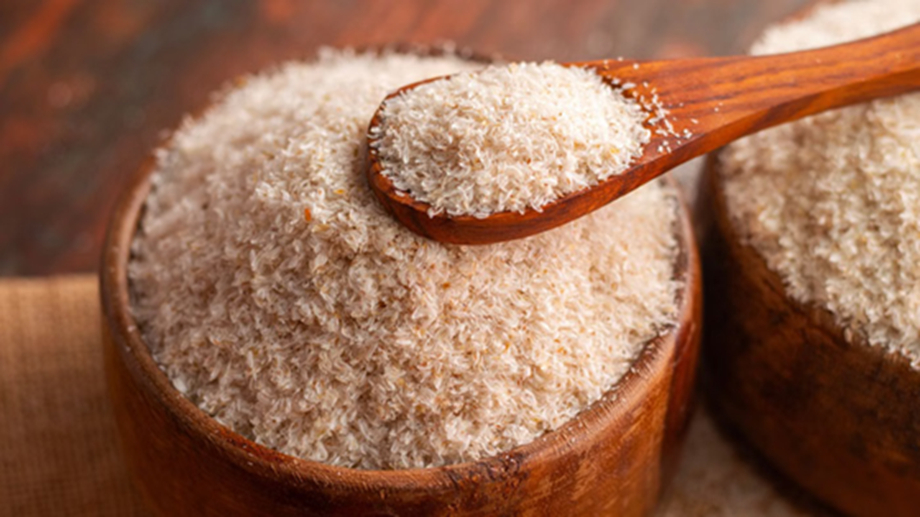
Home Remedy For Chronic Constipation: A debate has erupted on social media lately regarding chia seeds and psyllium husk, with people comparing the foreign chia seeds to the traditional Indian psyllium husk. Many are calling chia seeds an 'overrated' Western trend and considering psyllium husk the true king of constipation relief. Constipation is a problem affecting millions worldwide, and choosing the right type of fiber is crucial for addressing it.

While chia seeds are praised for their omega-3 and high protein content, psyllium husk has been a part of Ayurveda for centuries due to its remarkable water-absorbing capacity. The debate centers on whether chia seeds can truly replace psyllium husk, or if our traditional remedy is superior.
In this article, we will analyze the nutritional values, types of fiber, and effects on the digestive system of both to help you understand which option is most beneficial for your gut health.
Psyllium Husk
Psyllium husk is primarily a source of soluble fiber. In the stomach, it absorbs water and forms a gel-like substance, which softens and bulks up the stool. It acts like a broom, sweeping the intestines clean. Psyllium husk is more effective for people struggling with chronic constipation because its sole purpose is to cleanse the digestive tract.
Chia Seeds
Chia seeds contain both soluble and insoluble fiber. Nutritionally, chia seeds are undoubtedly very beneficial. In addition to fiber, they are rich in omega-3 fatty acids and antioxidants.
While psyllium husk focuses solely on digestion, chia seeds also contribute to weight loss and heart health. However, in terms of relieving constipation, chia seeds work somewhat slower than psyllium husk.
The Importance of Water and Method of Consumption
The most important condition with both of these is that it is crucial to drink plenty of water after consuming them. If you don't drink enough water, both chia seeds and psyllium husk can actually worsen constipation instead of relieving it. Psyllium husk is typically taken at night with milk or water, while chia seeds are best consumed in the morning, perhaps in a smoothie or pudding.
Which is better for you?
If your primary goal is simply to get quick relief from chronic constipation, psyllium husk is a more beneficial and effective option. However, if you want to improve your overall diet and address nutrition and weight management along with constipation, chia seeds are an excellent choice. You can choose based on your individual needs. You can even consume both together.
PC Social Media