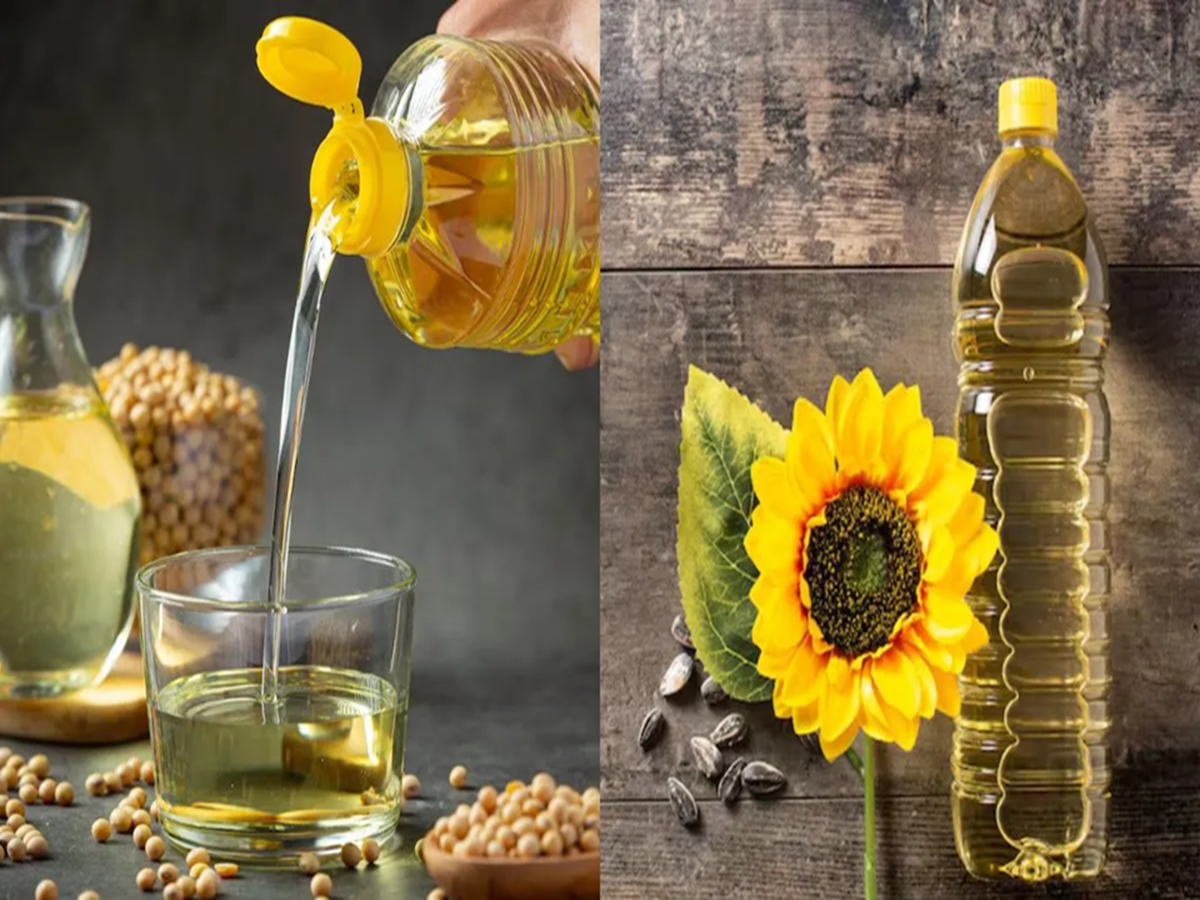
Mustard, peanut, or sunflower oil is often used in our kitchens for seasoning and frying. Food in Indian homes seems incomplete without them, but have you ever considered that these daily oils can take a toll on your liver health?
Yes, recent research shows that excessive and improper use of these oils can cause serious liver diseases. Let's understand how.
What are seed oils?
Seed oils are oils extracted from plant seeds. These primarily include mustard oil, sunflower oil, peanut oil, and soybean oil. They are rich in omega-6 fatty acids. While essential for the body, problems arise when the amount of omega-6 in our diet exceeds that of omega-3.
Their Effect on the Liver
The liver helps metabolize fat and regulate cholesterol in the body. When we eat too much refined seed oil or fried food, fat accumulates in the liver cells, increasing the risk of fatty liver disease.
Reheated oil is a major risk.
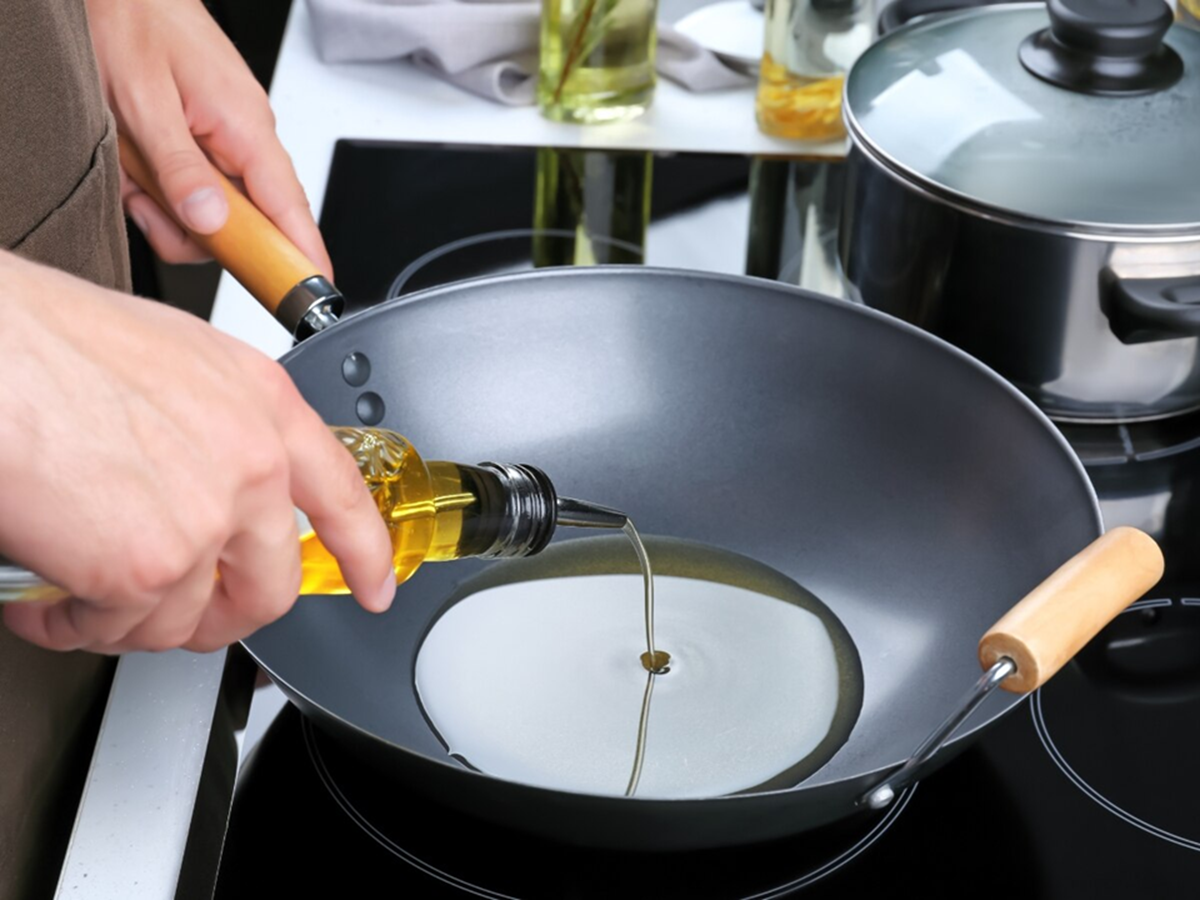
We often reheat leftover oil in a pan, which is extremely harmful. Repeatedly reheating oil at high temperatures creates toxic compounds like aldehydes and oxidized fats.
Since the liver is responsible for detoxifying the body, these toxic compounds directly impact liver function and structure. Street food and fried snacks often use similar reused oils, which can cause liver inflammation and metabolic disorders.
Increasing omega-6 intake and decreasing omega-3 intake can increase inflammation, which is linked to obesity, insulin resistance, and fatty liver problems.
Should you change your oil?
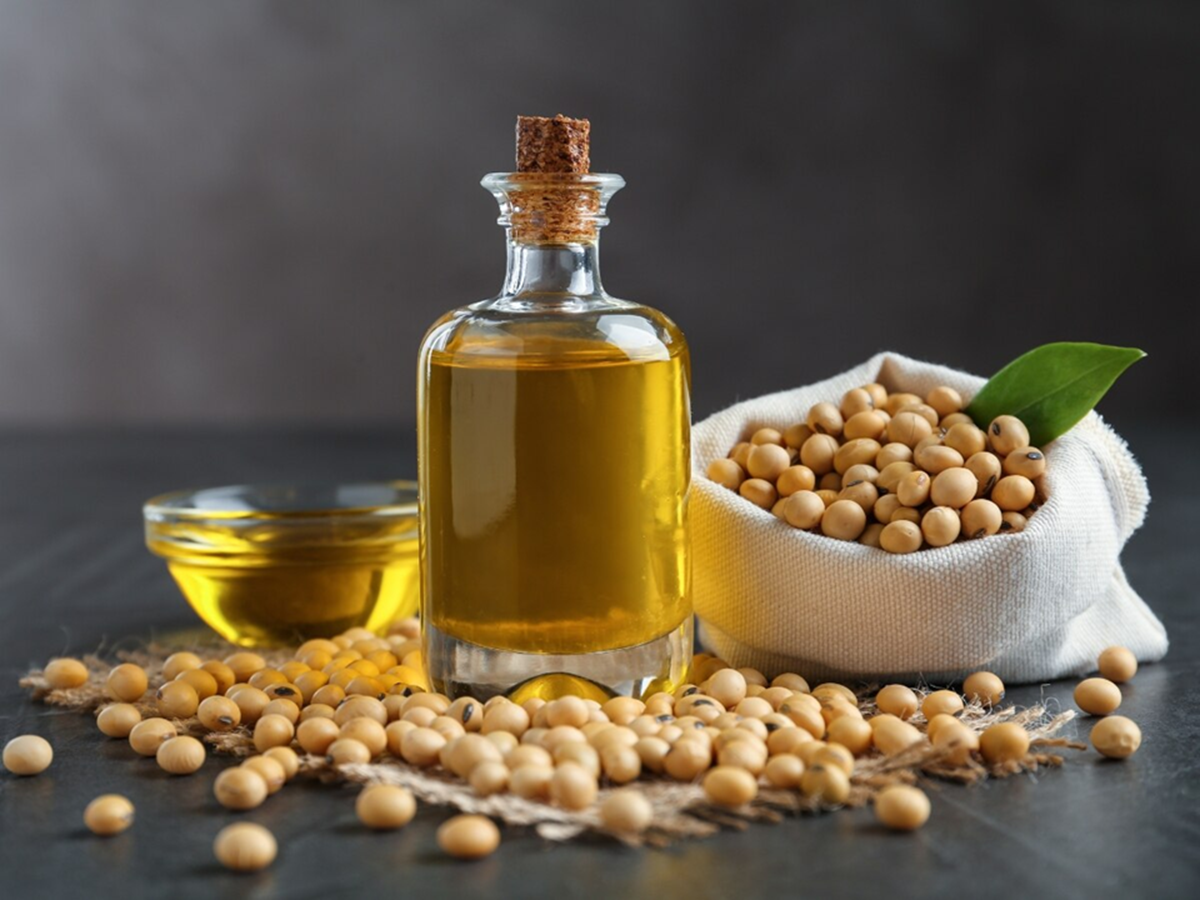
This doesn't mean you should completely avoid mustard or peanut oil, but using cold-pressed oil in limited quantities may be safe. The real problem is excessive oil consumption, repeated heating, and a diet high in refined carbohydrates. Therefore, to protect your liver, be careful with your oil use, avoid fried foods, and avoid reheated oil.
PC Social Media