
LIFESTYLE
CRP Test: CRP test reveals the secret of diseases hidden in the body, know for which people this test is necessary..

To maintain a healthy and fit body, not only are lifestyle and dietary improvements essential, but regular checkups are also essential. This helps detect potential illnesses early. Early detection makes treatment easier and reduces the risk of serious health problems.
Medical reports indicate that poor lifestyles, such as irregular eating habits, sedentary work, and stress, along with dietary restrictions such as consuming processed foods, excess sugar, and fried foods, are seriously harming health. Consequently, high blood pressure, diabetes, and diabetes are affecting young people and children. Inflammation is being seen at an early age, which is considered the root cause of many chronic diseases.

This is why health experts advise everyone to get regular checkups. The CRP test is one of them. Let's find out what this test reveals and for whom needs it for.
Be sure to get regular health checkups.
Doctors say we should get regular health checkups to assess our internal health. This can help detect many serious diseases in their early stages. Tests like blood sugar, cholesterol, liver and kidney function, and thyroid are common, and should be done regularly after the age of 30.
Doctors also recommend getting a CRP test. This test can help detect many life-threatening diseases in the body early.
Learn about the CRP test.
CRP stands for C-reactive protein test. In response to any type of inflammation in the body, the liver increases the production of this protein. Elevated levels can indicate infection, inflammation, or an underlying disease. People with frequently elevated CRP levels are at risk for a variety of health problems, including heart disease, diabetes, and kidney and liver problems.
CRP is not a separate test. It's a simple blood test that measures the level of this protein in the blood.
What does a CRP test reveal?
Doctors say that generally, 0-3 mg/L is considered a low risk, 3-10 mg/L is considered a moderate risk, and anything over 10 mg/L indicates high inflammation. Several conditions can affect your CRP level. Smoking, colds, depression, diabetes, sleep problems, gum disease, obesity, pregnancy, and recent injury can cause high CRP levels.
CRP levels can also remain higher than normal in viral or bacterial infections, autoimmune diseases, and heart problems.
Who needs this test?
A high CRP level doesn't always mean you have a medical condition that requires treatment, especially if it's only slightly elevated. However, if it's consistently elevated, doctors try to understand the underlying cause. Healthy individuals should get this test done once a year, heart disease or cholesterol patients every 6 months, and autoimmune disease patients every 1-3 months. Consult your doctor for advice about testing based on your condition.
CRP levels can be measured through a blood test, but they are especially important for some people.
Doctors recommend this test if you experience frequent fever, fatigue, or body aches.
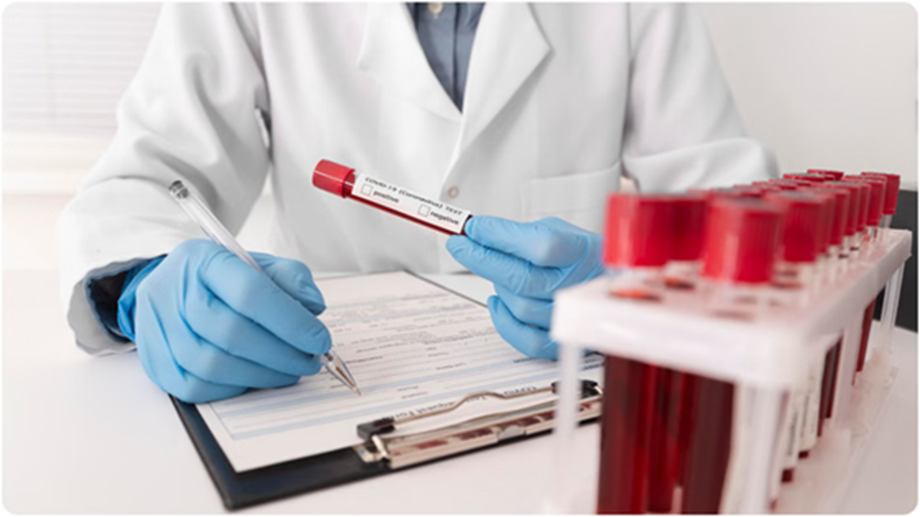
The test is also performed for heart disease, diabetes, high blood pressure, or cholesterol.
Patients with autoimmune diseases should also undergo this test.
This test is performed after surgery, a major injury, or a serious infection.
PC Social Media