LIFESTYLE
Crying During Prayer: What does crying during prayer signify? Learn from the Pandit why this happens..

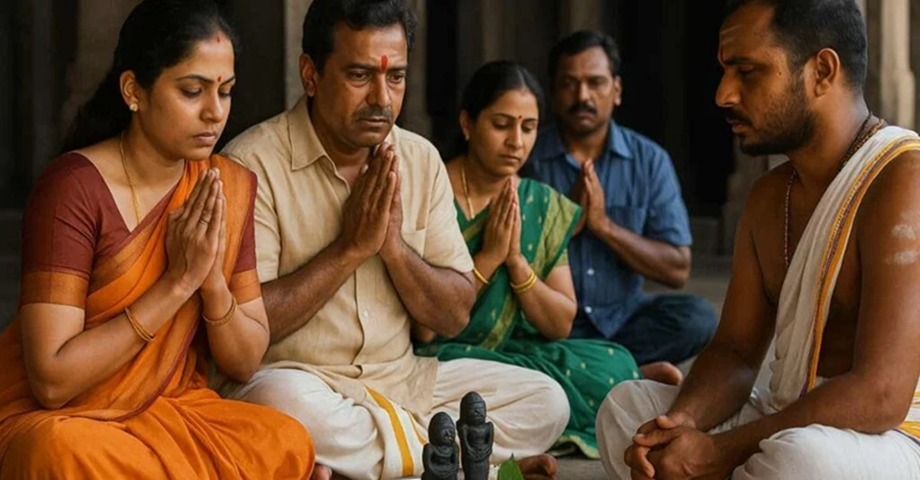
Crying During Prayer: In devotion to God, emotions often touch our hearts very deeply. Sometimes, tears well up in our eyes during prayer, and people fear that it might be a sign of sin. But the truth is, not every tear is a sign of sin. Some tears are a way of releasing negative energy from within us, while others are a direct result of our immense love for God. If you're wondering whether crying during prayer is right or wrong, it's important to understand the reason behind these tears.

Are you feeling restlessness and pain in your body, or is your heart simply overflowing with devotion to the Lord? It can be difficult to understand, but with the right information, you will be able to experience your devotion with even more truth and peace. Astrologer and Vastu consultant Pandit Hitendra Kumar Sharma, a resident of Bhopal, provides more information on this topic.
Why do tears come during prayer?
When we worship God, both our souls and minds are deeply engaged. At this time, our emotions become so strong that crying becomes natural. There are usually two reasons for crying during prayer:
1. The influence of negative energy:
Sometimes, there is energy around us or within our bodies that makes us feel weak or troubled. This energy also affects our emotions. If, during prayer, you feel that your body is heavy or uncomfortable, or you experience muscle pain or restlessness, it is a sign that negative energy is active within you.
2. Intense love for God:
The second reason is completely different and very beautiful. If, while crying, you feel happiness, reverence, and love for God in your heart, then it is a symbol of your true emotions. Such tears are a natural flow of emotions, and there is no need to suppress them.
How to distinguish between tears of negative energy and tears of love?
- Observe your body's reaction: If, while crying during prayer, you experience pain, restlessness, or a slight discomfort in your body, it is a sign of negative energy.
- Feel the state of your heart: If the tears are coming in remembrance of God, and your heart feels happy and light, then it is a symbol of love. Understanding these signs can help you determine if your devotion is positive or if you need to exercise some caution.
How to control emotions during worship:
1. Breathe slowly: Deep breathing balances the body's energy and reduces negative influences.
2. Remember God's name: Chant God's name or a mantra to calm the mind and increase love.
3. Create a positive environment: Keep the place of worship clean, with soft lighting, and if possible, light incense or a ghee lamp.
4. Don't suppress your emotions: If tears are due to love, allow yourself to feel them. This is the true essence of devotion.
True love for God:
Tears are the most beautiful expression of your love for God. It shows that you are close to the Lord in your heart. Do not try to stop such tears. Connecting with your emotions strengthens your devotion.
PC Social Media