LIFESTYLE
Dehydration: The human body consists of 60–65% water—so how does dehydration occur? Understand the complete science behind it..
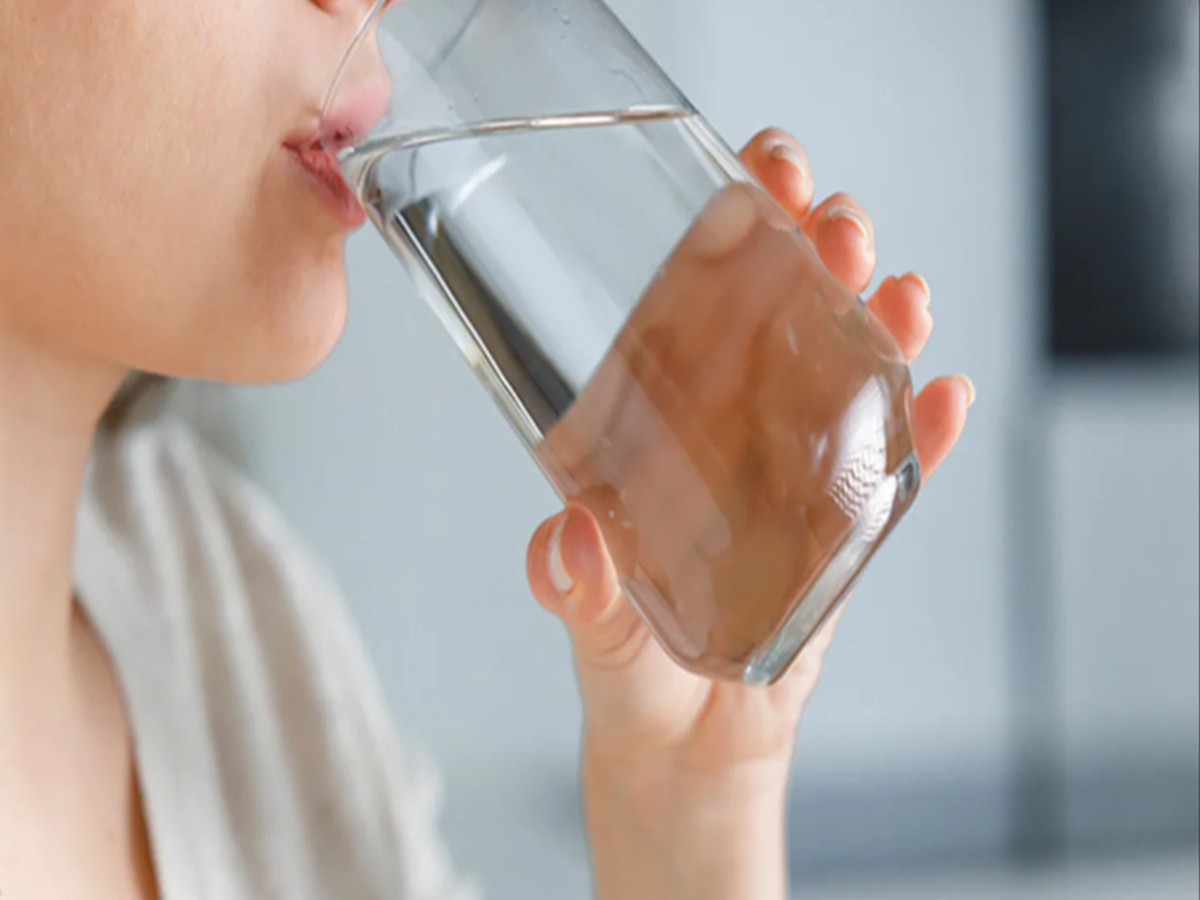
The severe heat and rising temperatures currently prevailing across most parts of the country—including the capital, Delhi-NCR—have heightened various health-related risks. During this summer season, the most significant risk is dehydration, or a deficiency of water in the body. Dehydration can lead to a range of complications, varying in severity from mild to critical. For individuals already suffering from chronic conditions—such as diabetes, high blood pressure, or heart disease—dehydration can even pose a life-threatening risk.

We often hear that the human body consists of approximately 60–65% water or fluids. This raises the question: if the body is already so rich in fluids, why does the problem of dehydration arise during the summer? Where does all the body's water go during the summer months?
Let us explore this in detail.
**The Volume of Water and Fluids in the Body**
To understand why our fluid-rich bodies experience a water deficit during the summer, it is essential to first know where exactly water is distributed within the body and how it facilitates the body's various functions.
Water constitutes the largest portion of our body, averaging approximately 60–65%. The body's water content can vary slightly depending on various factors, such as age, gender, and current hydration levels.
For instance, children tend to have a higher percentage of water in their bodies, a proportion that gradually decreases as they age.
Furthermore, other factors—such as body composition—also play a role, as fatty tissues contain less water compared to muscle tissues.
Women typically possess a higher percentage of body fat; consequently, the water content in a woman's body is generally lower than that in a man's body.
**Where is Water Located in the Body?**
Our body is not merely a static reservoir of water. It is not as though all the water is concentrated in a single location; rather, it functions as a highly complex water management system. Water is distributed throughout the entire body. Approximately 60% of the body's total water content is found within the cells, while the remaining water exists outside the cells, such as in the bloodstream.
Some organs contain a higher percentage of water than others. For instance, the lungs, muscles, and kidneys have the highest water content, whereas bones have the lowest proportion.
Since the body's water is not stored in a single reservoir—like a tank—we must continuously consume adequate amounts of water to maintain this delicate balance. Drinking sufficient water is essential for ensuring that all bodily functions operate correctly.
When the body's temperature rises, it releases sweat to cool itself down; this process accounts for a significant portion of the body's water usage.
Cells require a constant supply of water to perform their functions.
Water is also indispensable for flushing waste products out of the body—a process that, too, demands a substantial amount of water.
Why Does Water Depletion Occur During the Summer?
Every single drop of water in the body serves a specific purpose—whether it is facilitating blood circulation, regulating body temperature, aiding digestion, or delivering nutrients to the cells.
During the summer, this delicate equilibrium is often disrupted. Intense heat, excessive sweating, exposure to sunlight, and heightened metabolic activity all combine to increase the body's demand for water.

When we sweat during the summer, the body expels not only water but also essential electrolytes—such as sodium and potassium—along with it. The primary cause of dehydration during the summer is the rapid depletion of the body's water reserves without adequate replenishment.
Furthermore, certain beverages—such as those containing caffeine or alcohol—possess diuretic properties that accelerate the loss of water from the body, thereby significantly increasing the risk of dehydration.
Therefore, despite the fact that water constitutes 65–70% of the body's composition, failure to drink water regularly during the summer months can still lead to dehydration.
PC Social Media