LIFESTYLE
Delhiites, beware! Rising dengue cases are alarming; find out how many days after a mosquito bite symptoms appear..

Recent data from the Municipal Corporation of Delhi (MCD) indicates that the highest number of dengue cases this year were recorded in August—more than double the figure for July. As of August 29, a total of 311 dengue, 119 malaria, and 22 chikungunya cases have been reported in the capital. Notably, 52 dengue cases were also detected in April. The good news is that there have been no deaths resulting from any of these diseases so far.
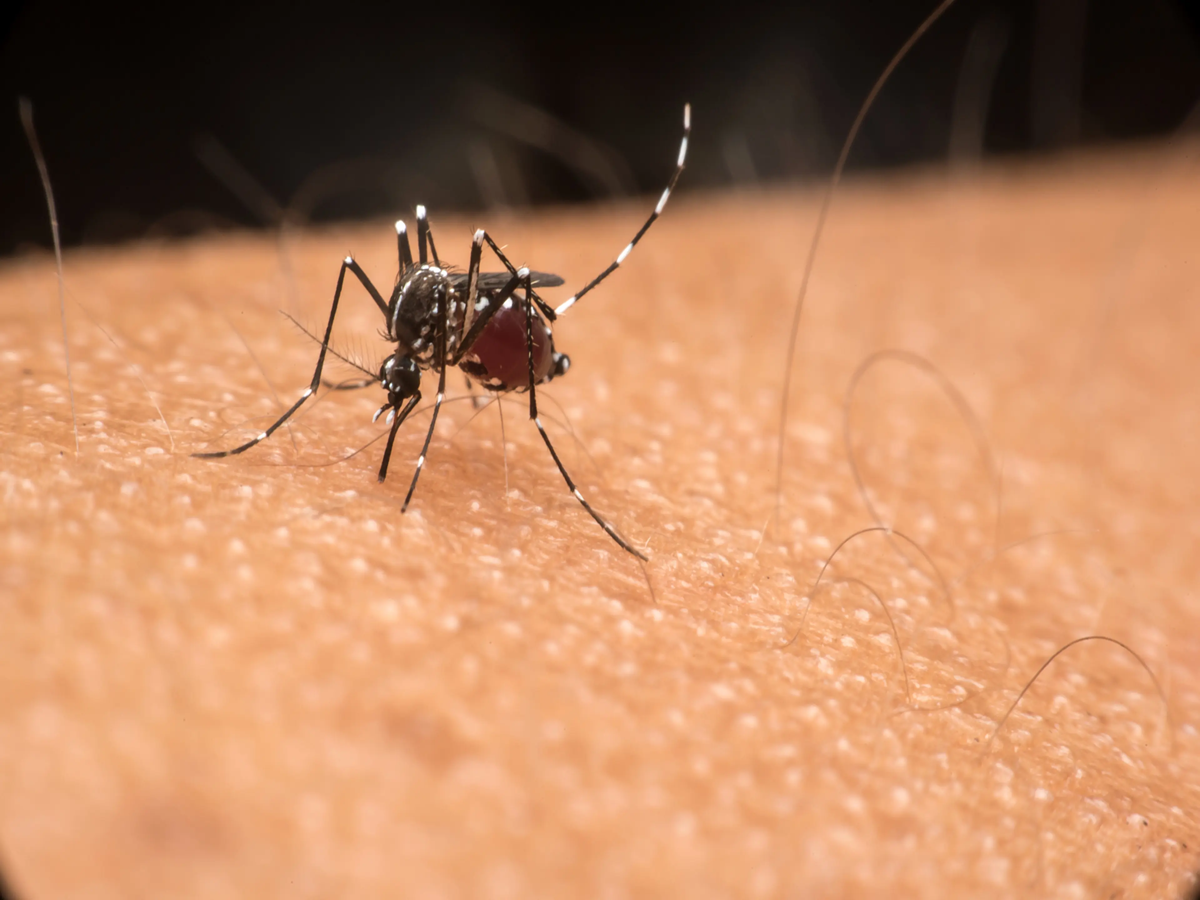
Meanwhile, the MCD is working rapidly to curb the mosquito population. Over 2.5 crore (25 million) households have been inspected to date, with mosquito larvae found in 1.25 lakh (125,000) of them. Insecticides have been sprayed in approximately 5.75 lakh (575,000) homes, and legal notices have been issued to more than 90,000 individuals. In this article, let us explore how dengue spreads and what its symptoms are.
What is dengue, and what are its early symptoms?
Dengue is a viral fever that spreads through the bite of infected mosquitoes in tropical regions. It is important to note that the disease does not spread directly from person to person; instead, it is transmitted by infected mosquitoes. Once you recover from one type of dengue virus, you develop immunity against that specific strain, but you can still be infected by the other three types.
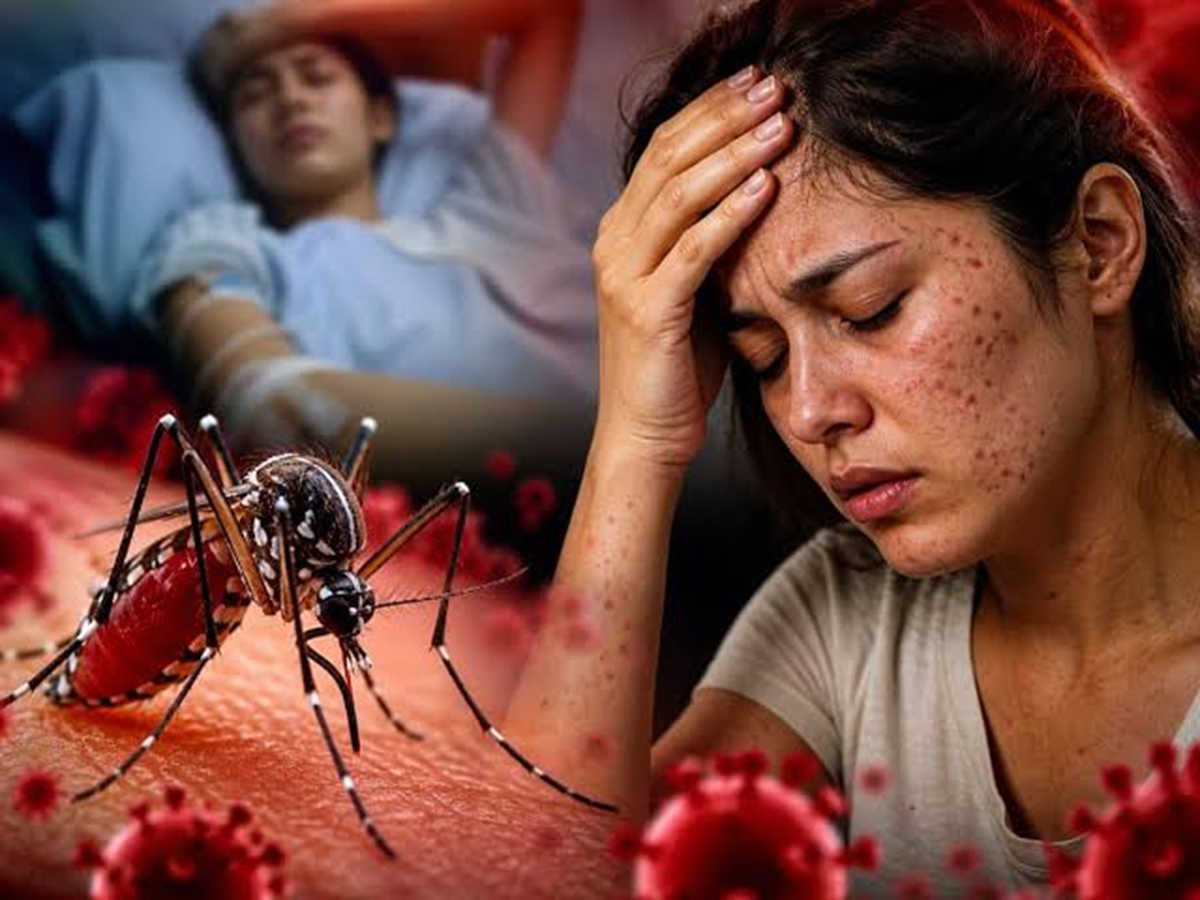
Symptoms typically appear 4 to 10 days after a mosquito bite. People often mistake it for the common flu. Its main symptoms include:
High fever reaching up to 104°F
Severe headache and pain behind the eyes
Muscle, bone, and joint pain
Vomiting or upset stomach
Swollen glands and a red skin rash
Most people recover within one or two weeks, though fatigue may persist for several weeks.
When does it become life-threatening?
While most people recover within a week or two, physical weakness can linger for several weeks. The real danger begins when severe symptoms appear a day or two after the fever subsides. When blood vessels begin to leak and the platelet count in the blood drops rapidly, the condition is termed 'Severe Dengue' or 'Dengue Shock Syndrome.' Serious warning signs include:
Severe abdominal pain and persistent vomiting.
Bleeding from the nose or gums.
Blood in vomit, urine, or stool.
Difficulty breathing, extreme fatigue, and persistent irritability.
Bleeding under the skin, appearing as bruises or dark patches.
Pregnant women with dengue face a high risk of premature delivery, low birth weight in the baby, or harm to the fetus.
What to do and what to avoid if you have dengue?
Doctors confirm dengue based on your travel history and blood tests. There is no specific cure, but there are ways to manage the symptoms:
Prevent dehydration: Consume plenty of fluids, as there is a significant risk of dehydration with dengue. Consult a doctor immediately if you experience dry mouth and lips, reduced urine output, a lack of tears, or cold hands and feet.
Choose the right painkiller: Use only acetaminophen to reduce fever and body aches.
Strictly avoid certain medications: Do not take drugs like ibuprofen (e.g., Advil, Motrin), aspirin, or naproxen. These significantly increase the risk of internal bleeding.
In severe cases, the patient requires immediate hospitalization for intravenous fluids (glucose and electrolytes), blood pressure monitoring, and blood transfusions from donors if necessary.
Prevention is the best defense.
The most effective way to stay safe from dengue is to avoid mosquito bites. Prevent water stagnation: Mosquitoes lay eggs in clean, stagnant water. Make sure to change the water in animal troughs, old tires, and flower vases every week, and keep them clean.
Keep mosquitoes away: Install mesh screens on windows and doors or stay in air-conditioned rooms. Dengue mosquitoes are primarily active in the morning and evening, but...