LIFESTYLE
Diwali Tips: This Diwali, poison can come to your home; this is how to identify fake and real sweets..
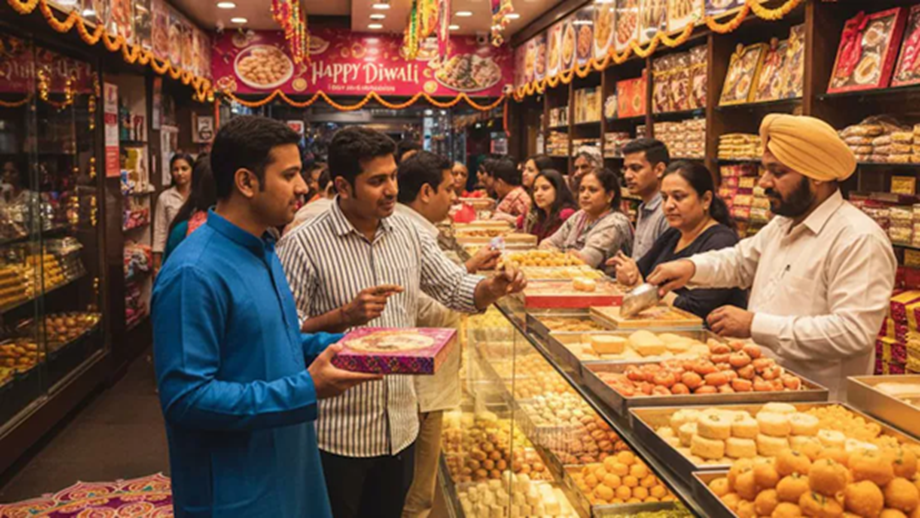
Diwali is considered a festival of joy and light. People beautifully decorate and clean their homes. On this special day, lamps are lit and sweets or gifts are distributed among loved ones. However, these sweets can also prove dangerous. Sweets are most commonly adulterated during festivals, and this toxicity can accidentally reach your home. Let's learn how to identify fake, poisonous sweets and how to avoid this danger.
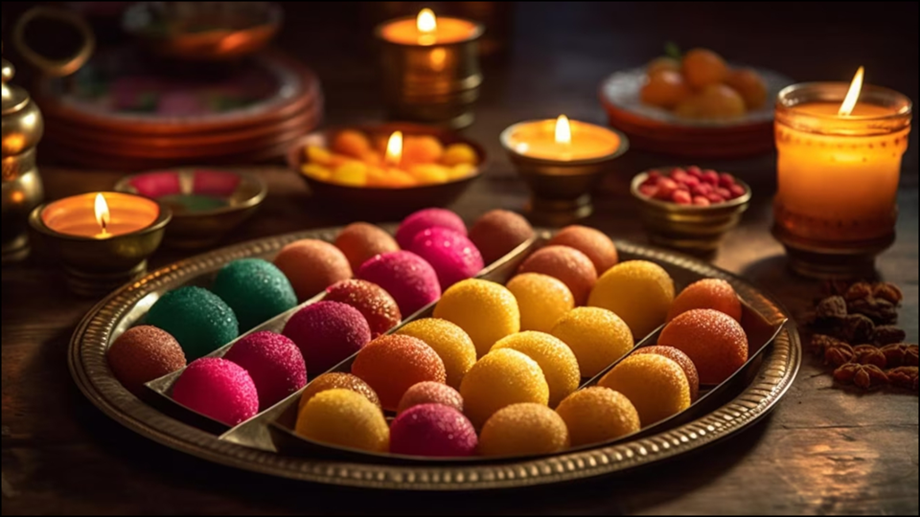
First, keep this in mind:
Many people, driven by cheapness, buy sweets from street shops, but doing so can be dangerous. These shops pose risks ranging from hygiene to adulteration. Always try to buy sweets from a good and clean shop. Avoid any shop that has even the slightest suspicion.
How does adulteration occur?
First, let's understand how sweets are adulterated. In fact, due to the demand for sweets during festivals, ingredients like fake mawa, artificial chemical colors, synthetic dairy products, and palm oil are mixed into them. This is an attempt to maximize profits at a lower cost. This adulteration can make you sick and is no less than poison.
How to distinguish between fake and real sweets?
If a sweet appears overly colored, avoid it, as it may contain synthetic colors.
Smelling can usually tell what's used in a sweet; if it's made with palm oil or Dalda, it will smell slightly different.
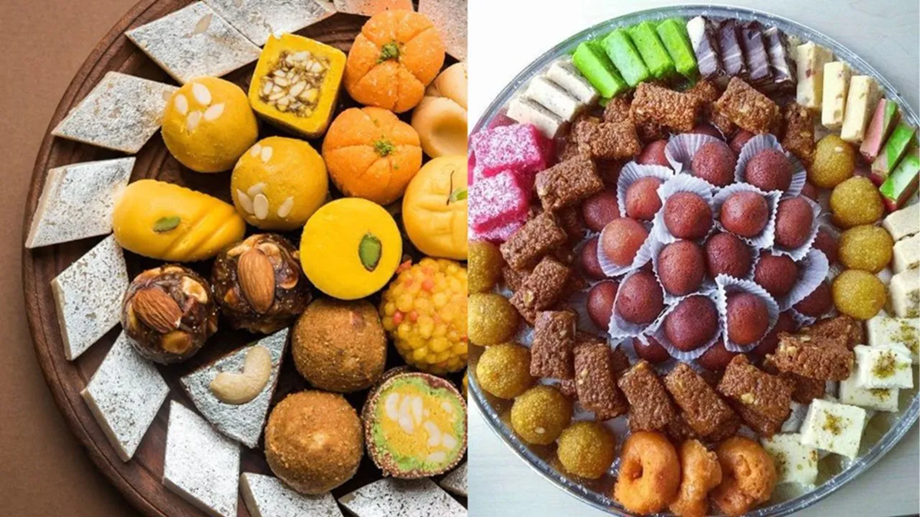
You can also test it by rubbing a piece of sugar with your fingers. If a lot of oil comes out, it's likely not made with ghee.
It's also important to taste the sweets; if they have any sourness or a different taste, they may be fake.
You can also test the sweets by placing them in hot water. If, after doing this, the color of the sweet comes off or foam comes out, then this sweet may be fake.
PC Social Media