LIFESTYLE
Parenting: How to Protect Children Aged 0 to 16 from Heatstroke, What to Feed Them and Which Mistakes to Avoid..

Kids' Heatwave Safety Tips: As the summer season arrives, the scorching heat of the sun begins to trouble everyone, but it impacts children the most. In particular, children aged 0 to 16 are highly susceptible to heatstroke because their bodies are not as efficient at regulating temperature. Consequently, it becomes crucial for parents to understand how to protect their children from heatstroke, what their diet should consist of, and what adjustments need to be made to their daily routines. This is not merely a matter of caution; it is a critical issue concerning the health and safety of children. With a little foresight and sensible measures, this summer season can be made safe and comfortable for children.
Why Does Heatstroke Affect Children More Severely?
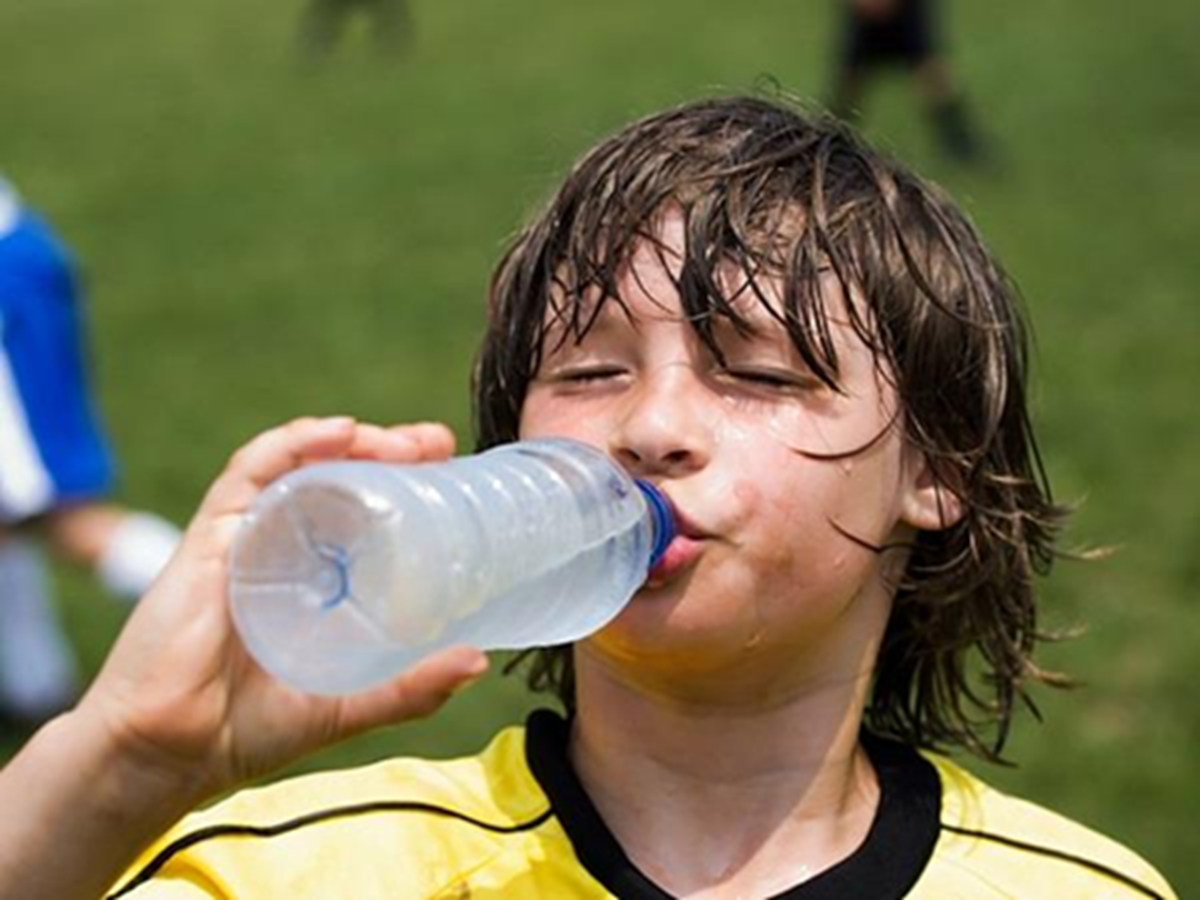
Children's bodies tend to dehydrate faster than those of adults. While playing, they often forget to drink water, and prolonged exposure to the sun causes their body temperatures to rise rapidly. Furthermore, young children often lack the awareness to recognize when they need to rest.
Small Daily Mistakes Become Major Causes
It is frequently observed that children continue playing outdoors during the afternoon hours or consume insufficient amounts of water. Often, parents, too, are unable to closely monitor their children's daily routines. It is precisely these minor acts of negligence that lead to heatstroke.
What to Feed and What to Avoid?
During the summer, children's diets should be light and hydrating.
Providing them with fresh fruits—such as watermelon, cucumber, and mango *panna* (raw mango drink)—as well as coconut water is highly beneficial. Homemade yogurt, buttermilk (*chaach*), and lemon water also help keep the body cool.
What to Avoid?
Commercially packaged juices, sugary beverages, and deep-fried foods can increase body heat in children. Excessive consumption of ice cream and cold drinks can also be detrimental, even though they may offer immediate, temporary relief.
The Ideal Summer Routine for Children
Making slight adjustments to a child's daily routine can make a significant difference.
Waking up early in the morning, engaging in light exercise or play, and then resting indoors during the afternoon hours are essential practices. Do not allow children to go outdoors between 11:00 AM and 4:00 PM.
**Pay Attention to Clothing and Sleep**
Dress children in loose-fitting, light-colored cotton clothing. Adequate sleep at night is also essential to allow their bodies to recover from the day's fatigue.

**Important Tips for Parents**
Remind children frequently to drink water. If a child is going outdoors, ensure they take a hat or an umbrella. For school-going children, always pack a water bottle and a light snack in their bags.
Children sometimes exhibit early symptoms of heatstroke—such as dizziness, vomiting, or high fever. In such cases, contact a doctor immediately and ensure the child rests in a cool environment.
PC Social Media