LIFESTYLE
Do you also use a neem twig for brushing? Learn about the pros and cons of this traditional method of cleaning teeth..
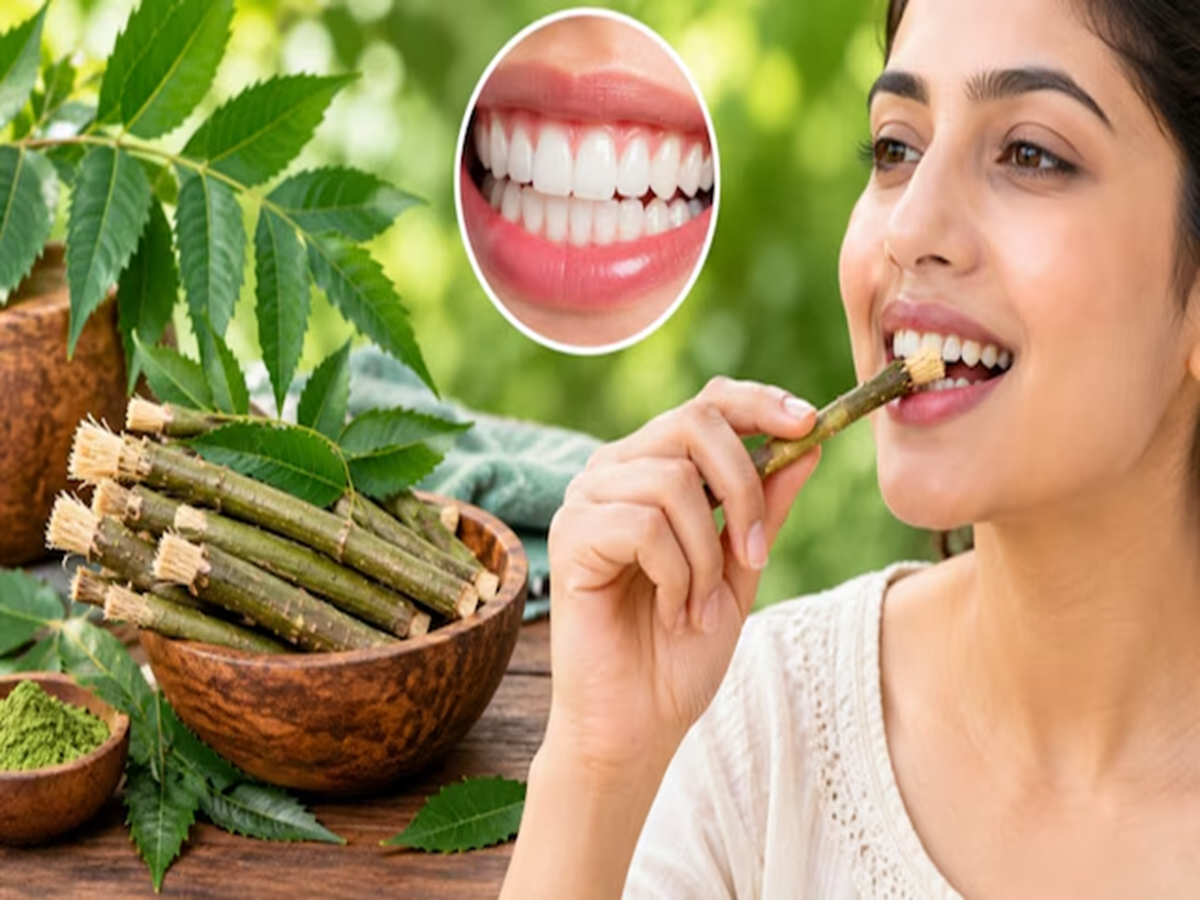
Benefits of Neem Datun: Seeing a neem *datun* (neem twig used as a toothbrush) instead of a regular toothbrush for morning oral hygiene reminds many people of their childhood. Especially in villages and small towns, people can still be seen cleaning their teeth with fresh neem twigs. Although this method is traditional, interest in it persists today. Some consider it beneficial for teeth and gums, while others prefer the combination of a toothbrush and toothpaste.
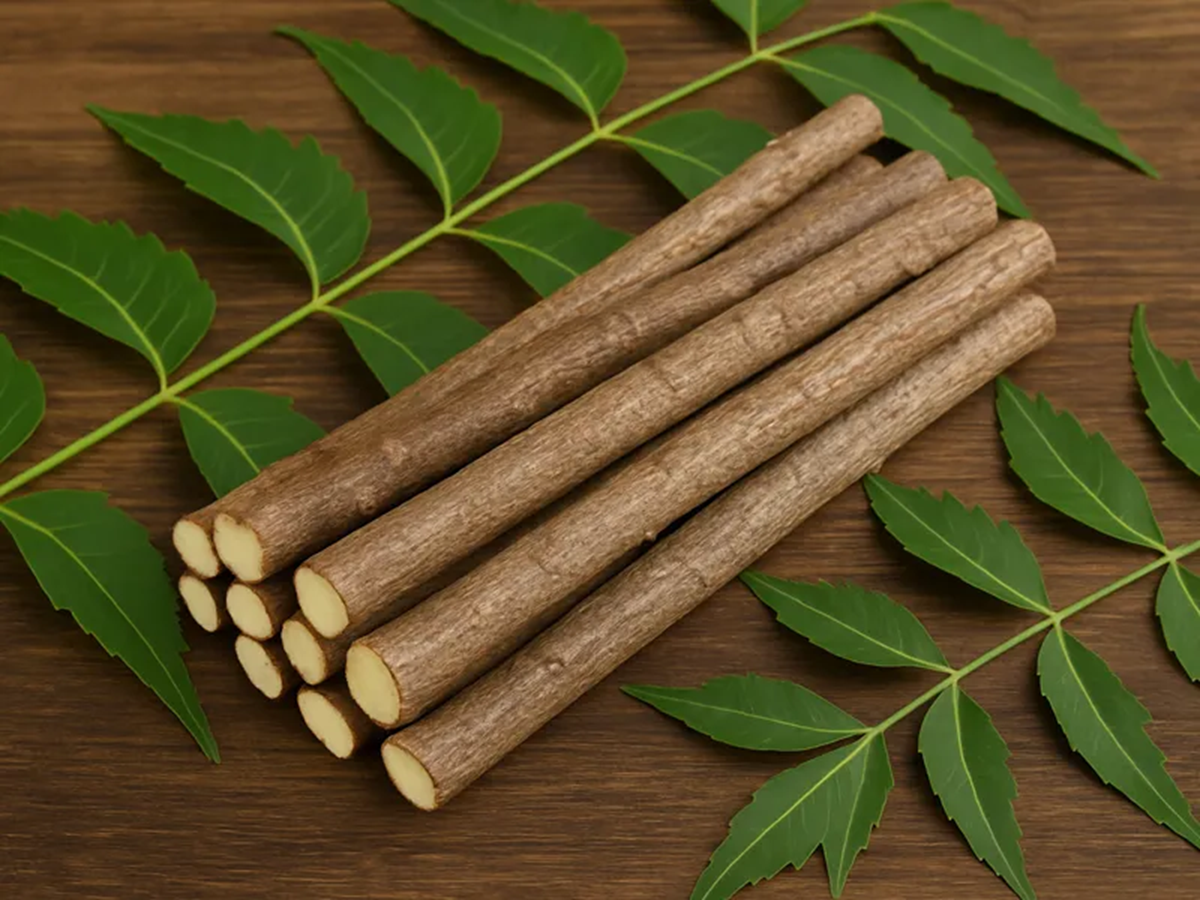
This raises the question: how effective is a neem *datun* really for oral hygiene, and what precautions should be taken while using it? Let us explore the key facts about using neem *datun*.
Why is neem *datun* used?
The tradition of using neem twigs for cleaning teeth is ancient. It involves chewing one end of the twig to soften its fibers. These fibers are then used to gently clean the tooth surfaces and gums. The fibers of the *datun* can help remove small food particles and surface debris. Neem also contains natural compounds with antimicrobial properties. However, this does not mean that neem *datun* can cure every type of dental problem.
Potential benefits of using neem *datun*
Aids in cleaning teeth
When used correctly, a *datun* can help remove dirt and food residue from the outer surface of the teeth, leaving the mouth feeling clean. However, it is not possible to remove hardened plaque or tartar deposits using only a *datun*.
Gentle cleaning of gums
The soft fibers of the *datun* can also help clean the area around the gums, though the technique used is crucial. Applying excessive pressure or scrubbing vigorously can cause gum irritation and injury.
Mouth Freshness
Chewing on a neem twig and using it to clean your teeth can leave your mouth feeling fresh. Some people also notice a reduction in bad breath. However, if bad breath persists, it is better to investigate the underlying cause rather than relying solely on the *datun* (chewing stick).
Mistakes to Avoid When Using a *Datun*
Scrubbing the *datun* too hard against the teeth is a common mistake. This can injure the gums and cause unnecessary wear on the tooth enamel. You should also avoid using old, dirty, or moldy twigs; it is best to use a clean, fresh twig. Not every tree's twig is suitable for use as a *datun*. If you experience issues like tooth pain, frequent gum bleeding, swelling, or persistent bad breath, do not attempt to treat them with a *datun*; in such cases, consulting a dentist is advisable.
The Correct Way to Use a Neem *Datun*
First, take a clean, fresh neem twig and wash it thoroughly with water. Gently chew one end of the twig until the fibers soften and begin to resemble the bristles of a brush. Now, use these fibers to gently clean the outer and inner surfaces of your teeth. Apply only light pressure on the gums. It is better to discard the *datun* after use rather than trying to store it for later; use a fresh, clean twig next time.
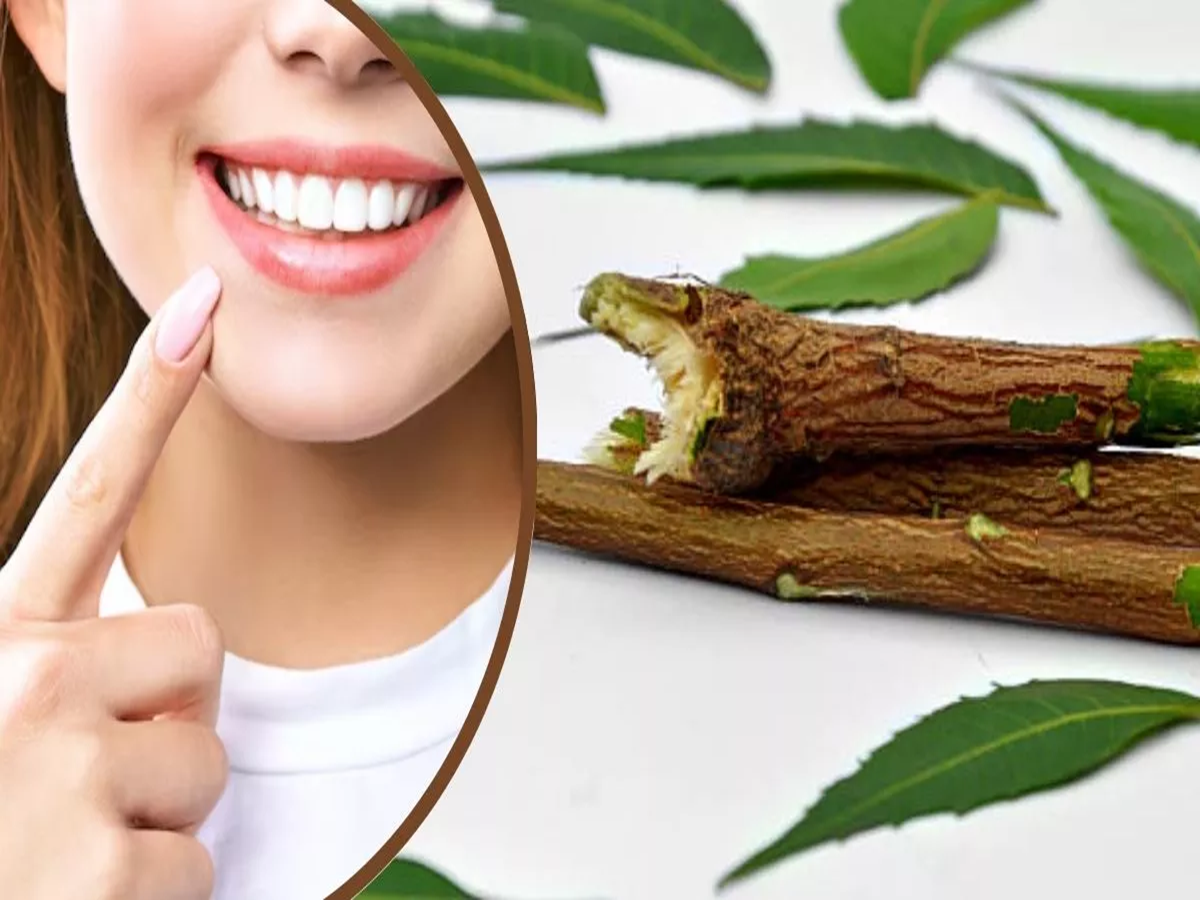
Can a *Datun* Replace a Toothbrush? Using a neem twig for oral cleaning can be helpful, but it should not be considered a definitive substitute for a toothbrush and fluoride toothpaste. Individuals with cavities, gum disease, or other dental issues, in particular, should prioritize regular dental check-ups and proper oral care.
PC Social Media