Parenting
Does your child cry over every little thing? These 5 mistakes by parents could be the reason..
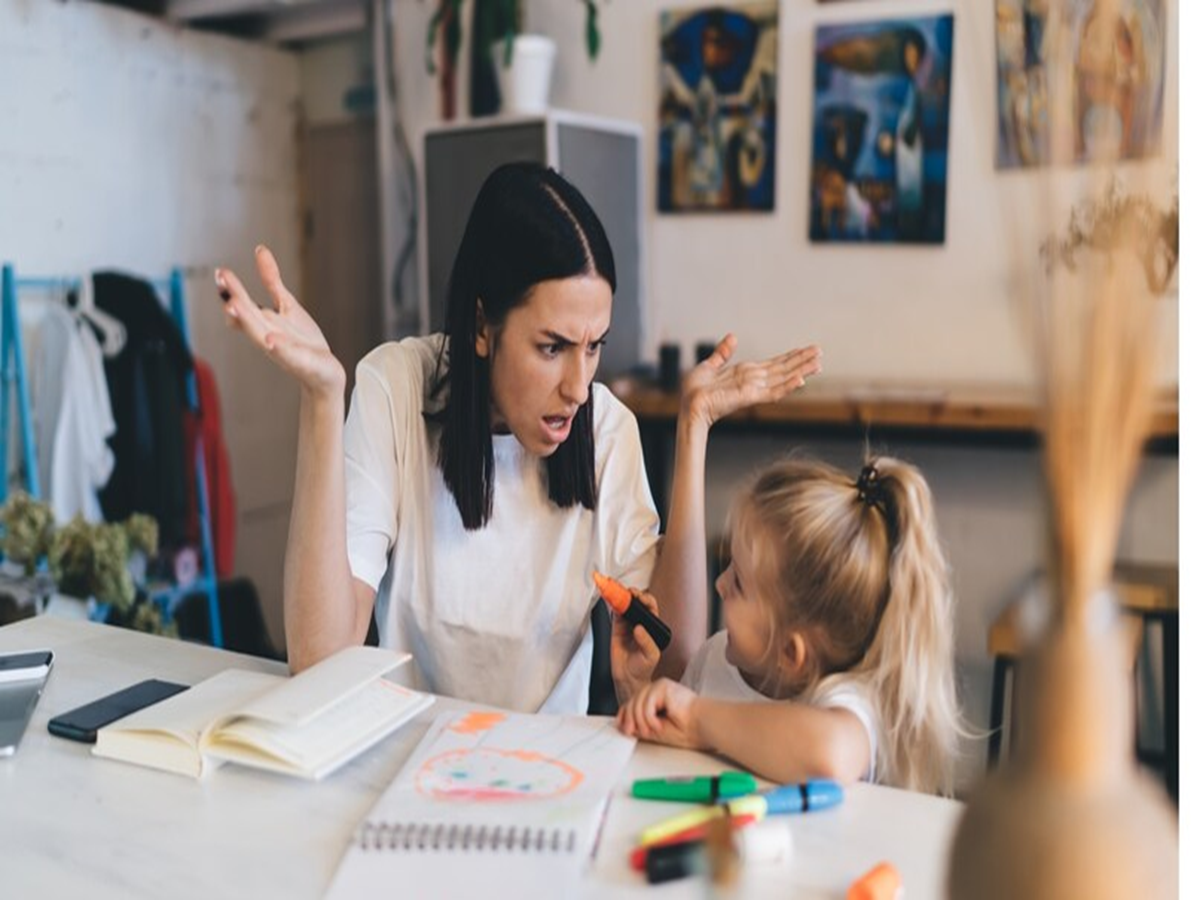
Some children tend to cry over minor matters—perhaps because they didn’t get a toy, weren’t listened to, or things didn’t go the way they wanted. In such situations, parents often become frustrated and may scold the child to make them stop. However, did you know that frequent crying is not always a sign of stubbornness? Sometimes, children are unable to fully understand or express their emotions, so they cry to communicate what they are feeling. In such cases, certain approaches by parents can help children learn to manage their emotions and express them more effectively.
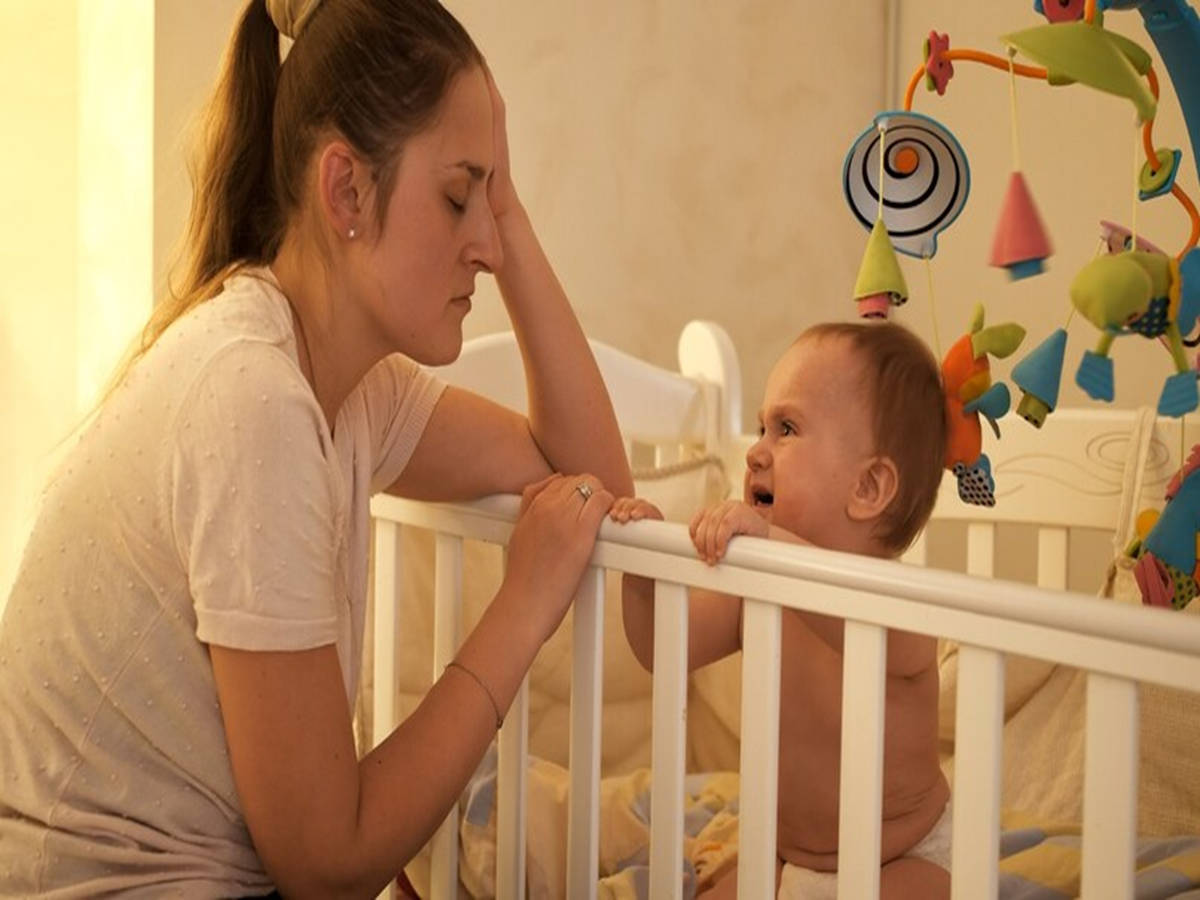
When a child starts to cry, avoid scolding them or forcing them to be quiet. For young children, it is not easy to grasp complex emotions like anger, frustration, fear, or sadness; crying can simply be their way of communicating. Instead, sit beside the child and, in a calm voice, ask what is troubling them. This helps the child feel that there is someone who understands their feelings.
Sometimes, when a child cries, parents might ask, "What is there to cry about?" or "Who cries over such a small thing?" But what may seem trivial to an adult can feel significant to a child. Therefore, rather than dismissing their distress, acknowledge their feelings. For instance, if a child is crying because a toy has broken, you could say, "I understand that you’re feeling upset." This helps the child gradually learn to identify their own emotions.
If a child relies solely on crying to express a need or a problem, gently teach them to put their thoughts into words. For example, if they are crying because they want a specific toy, ask them, "Are you crying because you want that toy?" Encourage them to express what they need using words instead of crying. However, this does not mean that a child’s concerns should be ignored when they cry. It is important to provide emotional support while also teaching them alternative ways to express their feelings.
Children often learn how to behave by observing the people around them. If parents shout over trivial matters or react with anger, the child may gradually adopt similar behaviors. Therefore, try to remain calm when your child cries. If you feel upset, take a moment to pause, breathe deeply, and then engage with your child. A calm demeanor from parents can, over time, teach a child how to manage their own emotions.
Sometimes, a child may become irritable due to hunger, fatigue, lack of sleep, or an environment with excessive noise and activity. In such cases, they might cry over minor issues. It is helpful to establish a consistent routine for sleeping, eating, and playing. Additionally, ensure that your child gets enough rest throughout the day. Spending quality time together—playing or simply listening to them without any sense of urgency—can also be very beneficial.
While it is normal for children to cry occasionally, if a child cries excessively, struggles to calm down for long periods, or exhibits sudden changes in behavior, it is important to understand the underlying cause. If the crying begins to affect their sleep, eating habits, school life, or daily activities, consult a pediatrician. If necessary, a specialist can help identify and address the child’s emotional and behavioral needs.

While it is normal for children to cry occasionally, if a child cries excessively, struggles to calm down for long periods, or exhibits sudden changes in behavior, it is important to understand the underlying cause. If the crying begins to affect their sleep, eating habits, school life, or daily activities, consult a pediatrician.
PC Social Media