Parenting
Does your child's room get messy repeatedly? Instead of the wardrobe, create a ‘Return Zone’ on the floor..
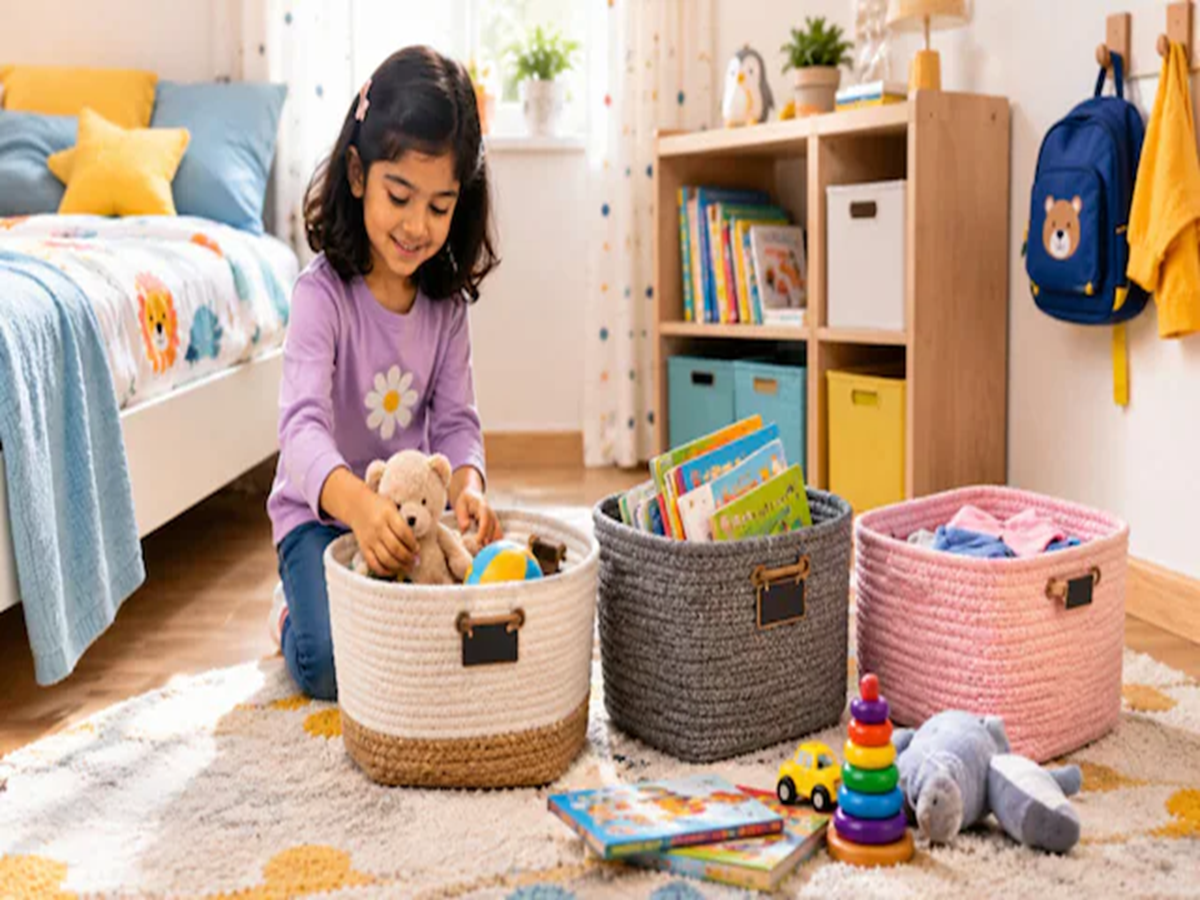
Kids' Room Organization: It is common for a child's room to get cluttered with toys, books, and clothes just hours after being tidied up. Parents often feel the closet is too small or storage space is insufficient, but the volume of belongings isn't always the issue. Many children are reluctant to put things back in their proper places after use or find the effort of taking items to their designated spots a hassle. In such cases, instead of rearranging the entire room, a simple habit and a specific spot can make a difference.
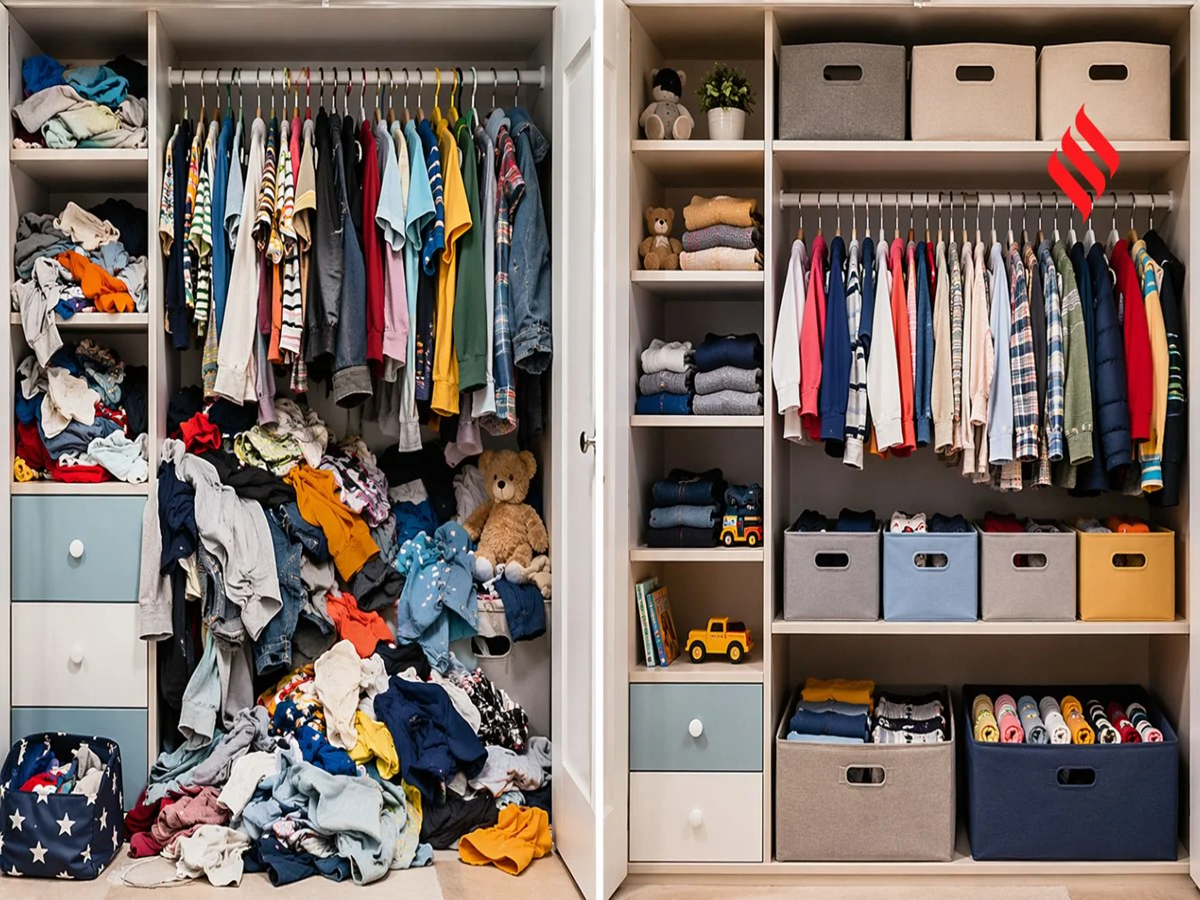
This can be called a ‘Return Zone.’ It is a designated area in the child's room where they can quickly place used items, which can then be returned to their proper storage locations later.
What is a Return Zone and how does it work?
A Return Zone is a small, easily accessible area created within the room. Its purpose is not to store items there permanently; rather, it serves as a temporary holding spot where the child can place things after finishing playtime or studying. For instance, suppose a child has been playing with toys and now needs to get ready for school. Instead of putting every toy back into its box immediately, they can simply place them in the Return Zone. Later, five or ten minutes can be set aside to return these items to their actual storage spots. This approach can help reduce the problem of clutter spreading across the room.
Why floor space can be useful
A small section of the floor in a corner of the room can be designated as the Return Zone. You can place an open bin, a small mat, or a lightweight basket there. Ensure the spot is within the child's reach and makes it easy to deposit items. The simpler the system, the more naturally children will adopt it. If putting things away requires opening a closet, pulling out a box, and sorting items into different places, a child might procrastinate. A Return Zone simplifies this process.
When to use the 'Return Zone'
It is not advisable to use this area for the permanent storage of all kinds of items. Instead, it is best suited for things the child uses frequently throughout the day—such as toys, storybooks, art supplies, small cushions, or daily essentials. It is better to keep a separate laundry basket for dirty clothes. Similarly, food items or objects that need to be kept out of the child's reach should not be placed in the return zone.
Teach the child a simple rule.
There is no need to constantly tell the child to clean up the entire room at once. Instead, you can establish a simple rule, such as: "When you finish playing, put whatever is in your hands into the return zone." At night or at a designated time during the day, the parent and child can work together to return the items from that zone to their proper places. This breaks the cleaning process down into manageable steps rather than making it feel like one overwhelming task.
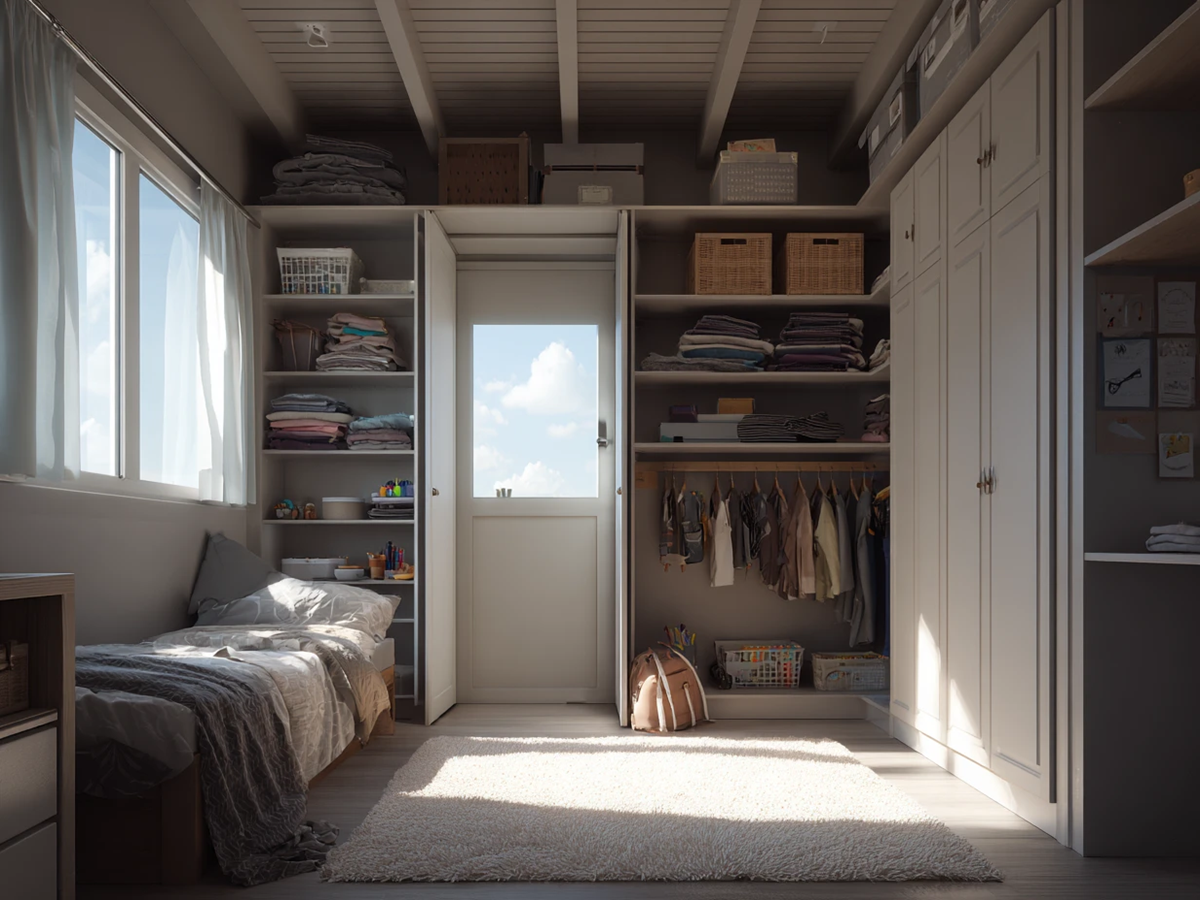
Try this method before replacing the wardrobe.
If the child's wardrobe isn't too small and the main issue is simply clutter lying around, buying new furniture immediately isn't necessary. You can first try setting up a return zone to see how much it improves the room's tidiness. Another benefit is that it helps the child gradually learn the habit of organizing their belongings. However, every child is different; younger children may require parental assistance in the beginning.
PC Social Media