LIFESTYLE
Find out what happens to the wheels of Lord Jagannath's chariot after the Puri Rath Yatra...
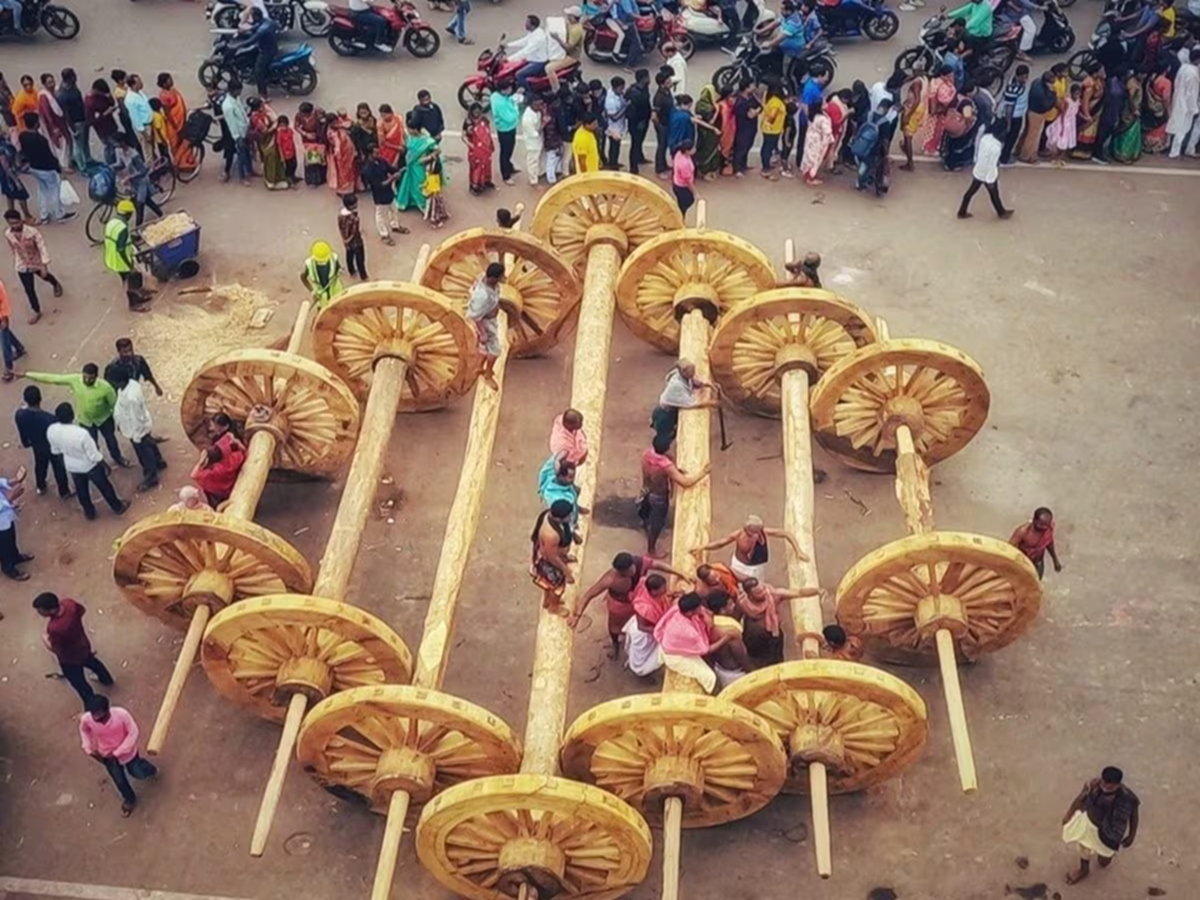
Jagannath Rath Yatra Wheels: The world-famous Rath Yatra of Lord Jagannath, held in Puri, Odisha, is not limited merely to the procession itself; numerous religious traditions are observed even after it concludes. Held annually, the Yatra begins on the second day (*Dwitiya Tithi*) of the bright fortnight (*Shukla Paksha*) of the *Ashadha* month and continues for nine days, culminating in the *Bahuda Yatra* (return journey). It is believed that participating in this Rath Yatra liberates a person from the cycle of birth and death and leads them to *Vaikuntha Dham* (the divine abode of Lord Vishnu). However, have you ever wondered what happens to the chariots of Lord Jagannath, Lord Balabhadra, and Goddess Subhadra after the Rath Yatra ends?
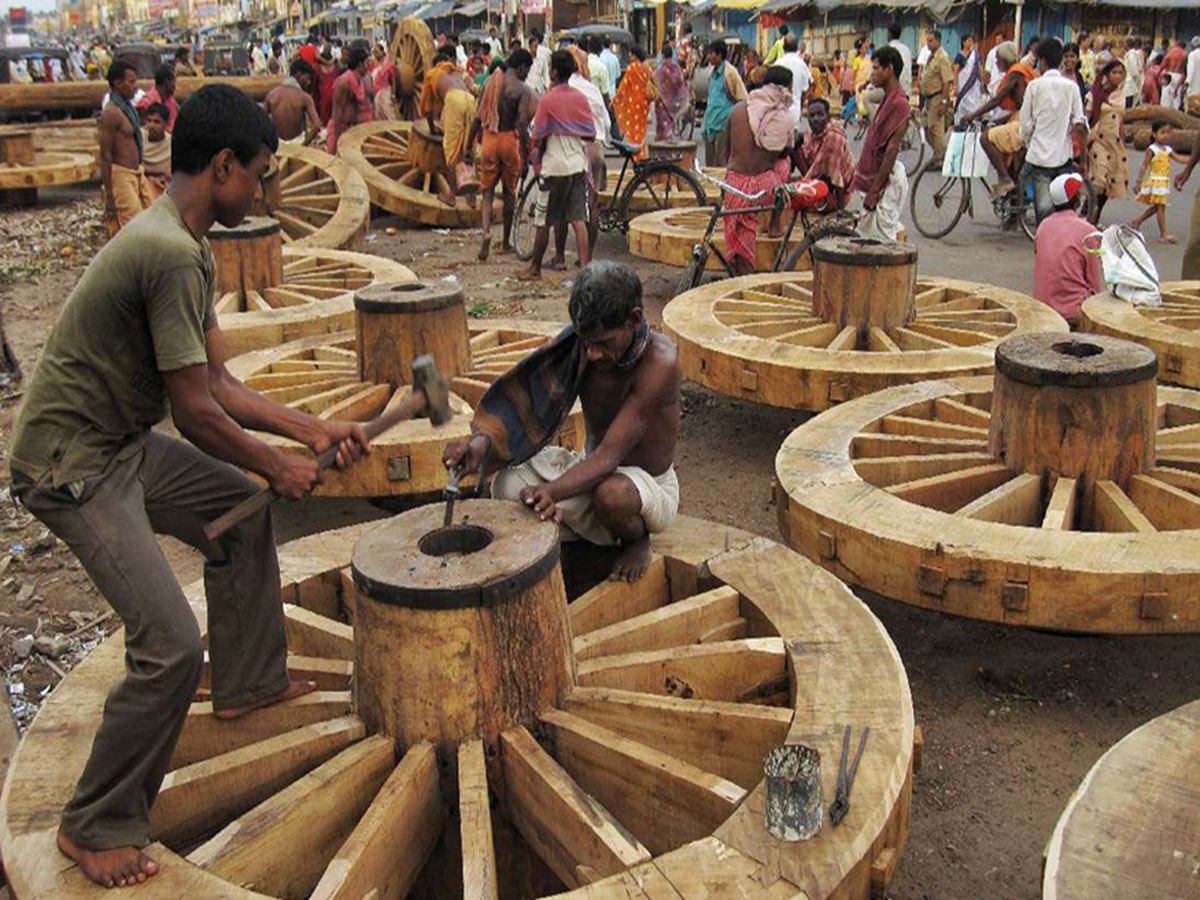
New chariots are constructed and decorated every year before the sacred procession begins. It is worth noting that after the Rath Yatra and the *Niladri Bije* ceremony, these massive chariots are not preserved intact; instead, in accordance with religious tradition, they are dismantled following a prescribed procedure.
**Distinct Chariots for Each Deity**
According to temple tradition, the chariots—Lord Jagannath’s *Nandighosha*, Lord Balabhadra’s *Taladhwaja*, and Goddess Subhadra’s *Darpadalana*—are constructed anew each year using fresh timber. These three sacred chariots differ in height and the number of wheels they possess. Among them, only Lord Jagannath’s chariot features 16 wheels; Lord Balabhadra’s chariot has 14 wheels, while Goddess Subhadra’s chariot has 12. Since new chariots are prepared for the following year's Rath Yatra, the old chariots are carefully dismantled to separate the wood.
**Wood Unlike Ordinary Timber**
Religious belief holds that the wood used for the chariots—which carry the divine idols—is extremely sacred; consequently, it is not regarded as ordinary timber. Some of this wood is utilized for the traditional religious requirements of the Shri Jagannath Temple, such as *Yagnas*, *Havans*, and other rituals. Often, religious mementos or small items used in worship are crafted from this wood. It is believed that keeping this sacred chariot wood in one's home fosters the flow of positive energy and invokes the blessings of Lord Jagannath.
You Can Keep These Sacred Woods at Home
You can bring parts of the chariots of Lord Jagannath, Lord Balabhadra, and Goddess Subhadra into your home. From time to time, the temple administration or authorized bodies make souvenirs, worship materials, or small religious items crafted from the chariot wood available to devotees. Following the Rath Yatra, you can acquire parts of the chariots through an auction. The wheels are the most significant components of the chariots and attract the highest bids during auctions. Once the Rath Yatra concludes, the chariots are dismantled, and their components—such as the logs—are safely stored in the storeroom of the temple office in Puri, from where the allocation process is managed.
How Are These Sacred Woods Obtained?
Auction and Allocation Process
Pricing: The temple administration (SJTA) establishes a Standard Operating Procedure (SOP) and an initial base price annually for the chariot wheels, *Prabha* (decorative backdrops), and other wooden components.
Bids and Offers: Devotees or organizations wishing to purchase chariot parts must submit an 'Expression of Interest' (EOI); these sacred parts are then awarded to the highest bidder. Sometimes, instead of a formal auction, these items can be obtained by a devotee paying a token amount or voluntarily offering a price higher than the base rate.
Rules and Affidavit: The buyer must provide a written undertaking promising not to disrespect or commercially misuse these sacred woods and to keep them solely for devotion.
PC Social Media