LIFESTYLE
Finger Marks on Kneaded Dough: Why do grandmothers leave finger marks on the dough after kneading it?
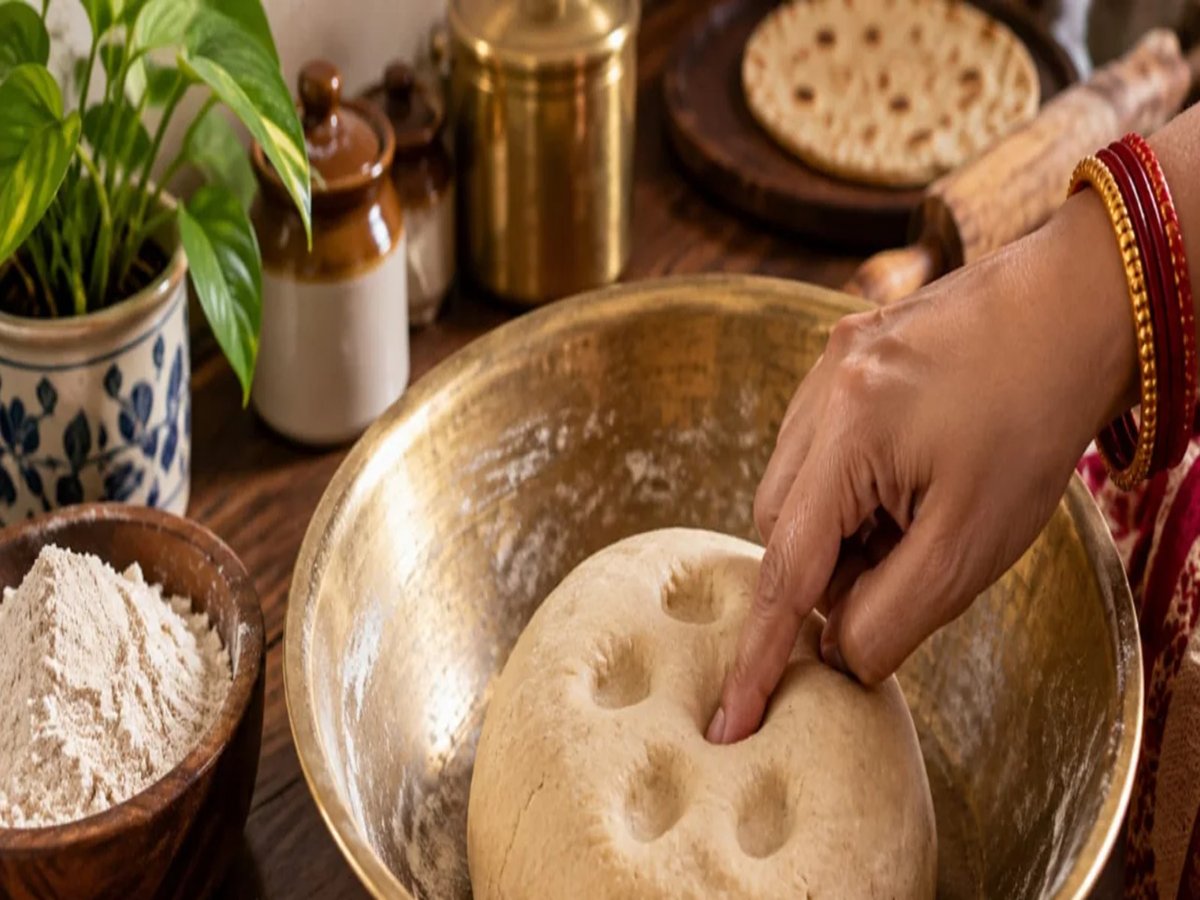
Finger Marks on Kneaded Dough: You may have often seen elderly women in the household making small finger marks on the dough after kneading it in the kitchen. While this might appear to be a simple habit, this small practice holds special significance in Sanatan traditions and astrological beliefs. In many households, instead of leaving the kneaded dough perfectly round and smooth, finger impressions are made on it. Beliefs concerning ancestors, the sanctity of food grains, and the positive energy of the home are cited as the reasons behind this practice.
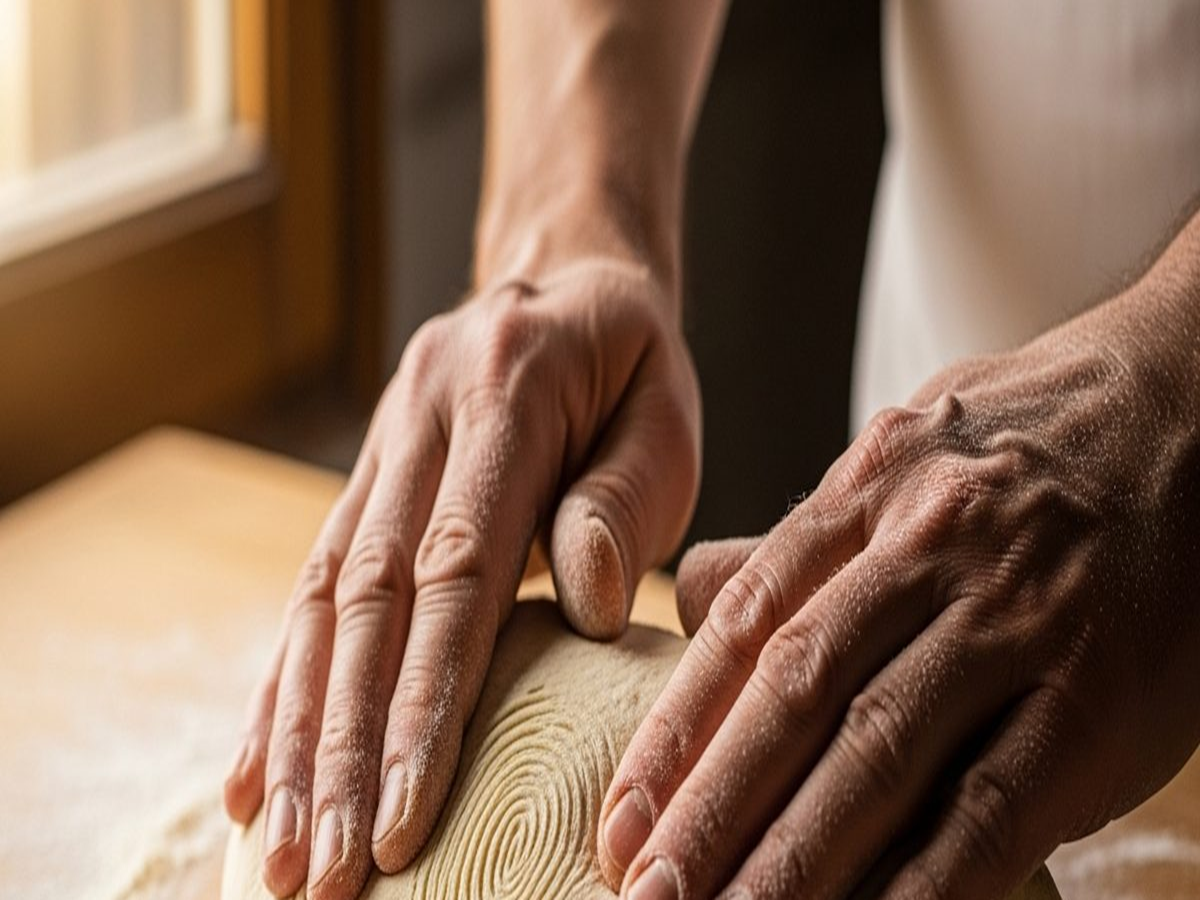
However, there is no scientific evidence for these claims, and they should be understood strictly within the context of religious and folk traditions. Let us explore why the tradition of making finger marks on kneaded dough has persisted.
What is the significance of flour in astrology?
In astrology and Sanatan tradition, food grains are not viewed merely as sustenance but as the foundation of prosperity and life. Wheat flour, in particular, is closely linked to the household's meals and daily life. It is believed that the energy and atmosphere of the home influence the food grains kept in the kitchen. For this reason, many families follow the practice of avoiding leaving kneaded dough perfectly round and smooth for extended periods. Making finger marks on the dough is considered a simple measure associated with this belief.
The belief linking round dough to 'Pind'
According to religious beliefs, a perfectly round and smooth lump of dough resembles the shape of a *Pind* (a ritual offering made of rice or flour balls). In Hindu tradition, the *Pind* is associated with *Shraddha* and *Tarpan* rituals performed for ancestors. Consequently, some beliefs hold that leaving kneaded dough in a perfectly round shape within the home is inappropriate. Making finger marks breaks that round shape. From a religious perspective, this is seen as a way of preparing the dough for ordinary consumption. However, this remains a traditional belief, interpreted differently by families according to their specific customs. This practice is also linked to the home's happiness and prosperity.
In astrological beliefs, the kitchen is considered one of the most important areas of the home. Food and grains are closely linked to a family's prosperity; therefore, maintaining cleanliness in the kitchen and showing respect for food are considered auspicious. Many believe that making finger impressions on the dough before rolling out rotis signifies respect for the grain. This practice is also associated with the blessings of Goddess Annapurna and the abundance of resources in the household. It is believed that a positive atmosphere prevails in homes where food is treated with respect and prepared with devotion.
Why is it linked to *Pitra Dosh*?
Some religious beliefs associate this practice with ancestors (*Pitras*) due to the resemblance between the round dough and the *Pind* (ritual offering made of rice/flour balls). Based on this, it is said that instead of leaving the dough smooth and round, one should make finger impressions on its surface. However, it is important to note that there is no proven astrological rule stating that merely making finger impressions on dough can eliminate *Pitra Dosh*. Astrological concepts like *Pitra Dosh* require a detailed analysis of the horoscope and adherence to specific religious rituals.
Could there be a practical reason for this as well?
There may also be a simple, practical domestic reason for this tradition. In the past, it was common practice to knead the dough and set it aside. Making hand or finger impressions on it served as a visual cue that the dough had been kneaded and was ready for making rotis. Although kitchen practices have evolved, many old domestic customs persist in families just as they always have. Thus, this tradition can be viewed not only through the lens of religious belief but also as a long-standing household habit.
PC Social Media