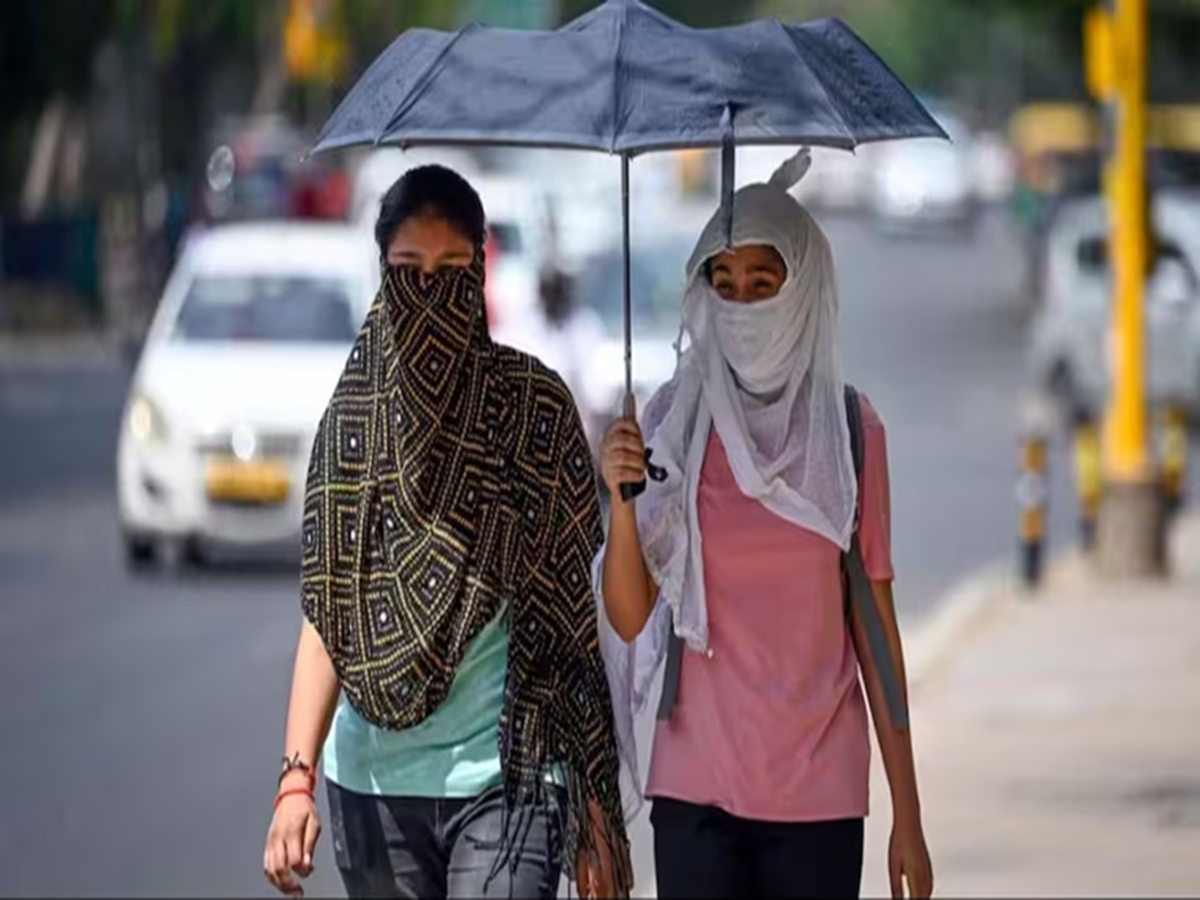
Heatwave Health Risks: The severity of extreme heat and heatwaves continues to escalate across several parts of the country. Over the past few days, the sky has seemed to rain fire, and scorching winds have thrown people's daily lives into disarray. In many cities, including Delhi-NCR, temperatures have soared past the 45-degree Celsius mark, which could have a detrimental impact on public health. According to doctors, the heat does not merely cause fatigue or dehydration; for individuals battling certain medical conditions, this season can prove to be extremely hazardous. People suffering from conditions such as heart disease, respiratory ailments, diabetes, and high blood pressure, in particular, need to exercise extra caution during the summer months. Even the slightest lapse in care can lead to a worsening of symptoms and necessitate hospitalization.

Dr. Lokendra Gupta, Head of the Emergency Department at Medanta Hospital in Lucknow (UP), stated that exposure to extreme heat and heatwaves poses a danger to everyone. However, this season is particularly perilous for individuals grappling with heart disease, diabetes, high blood pressure, asthma, and kidney ailments. In extreme heat, the heart is forced to work harder to keep the body cool. Intense heat can cause an elevated heart rate and lead to dehydration within the body. For those already suffering from heart disease, heart failure, or blood pressure issues, heat stress can exacerbate symptoms such as chest pain, shortness of breath, and weakness. In severe cases, the risk of a heart attack may also increase.
The doctor further advised that patients suffering from asthma and other respiratory conditions must also exercise heightened caution during the summer. Hot air can adversely affect the airways. Furthermore, dust, pollution, and hot winds can aggravate the symptoms experienced by asthma patients. During this season, patients with asthma and COPD (Chronic Obstructive Pulmonary Disease) may experience increased difficulty in breathing, coughing, and chest tightness. Such individuals should avoid direct exposure to sunlight and hot winds and should always carry their essential medications with them. Additionally, diabetic patients are at a higher risk of rapid dehydration. Dehydration can affect blood sugar levels, potentially leading to feelings of weakness, dizziness, or fatigue. In some instances, excessive heat can also interfere with the efficacy of insulin and other medications. Therefore, diabetic patients should ensure they drink water at regular intervals and continuously monitor their blood sugar levels.
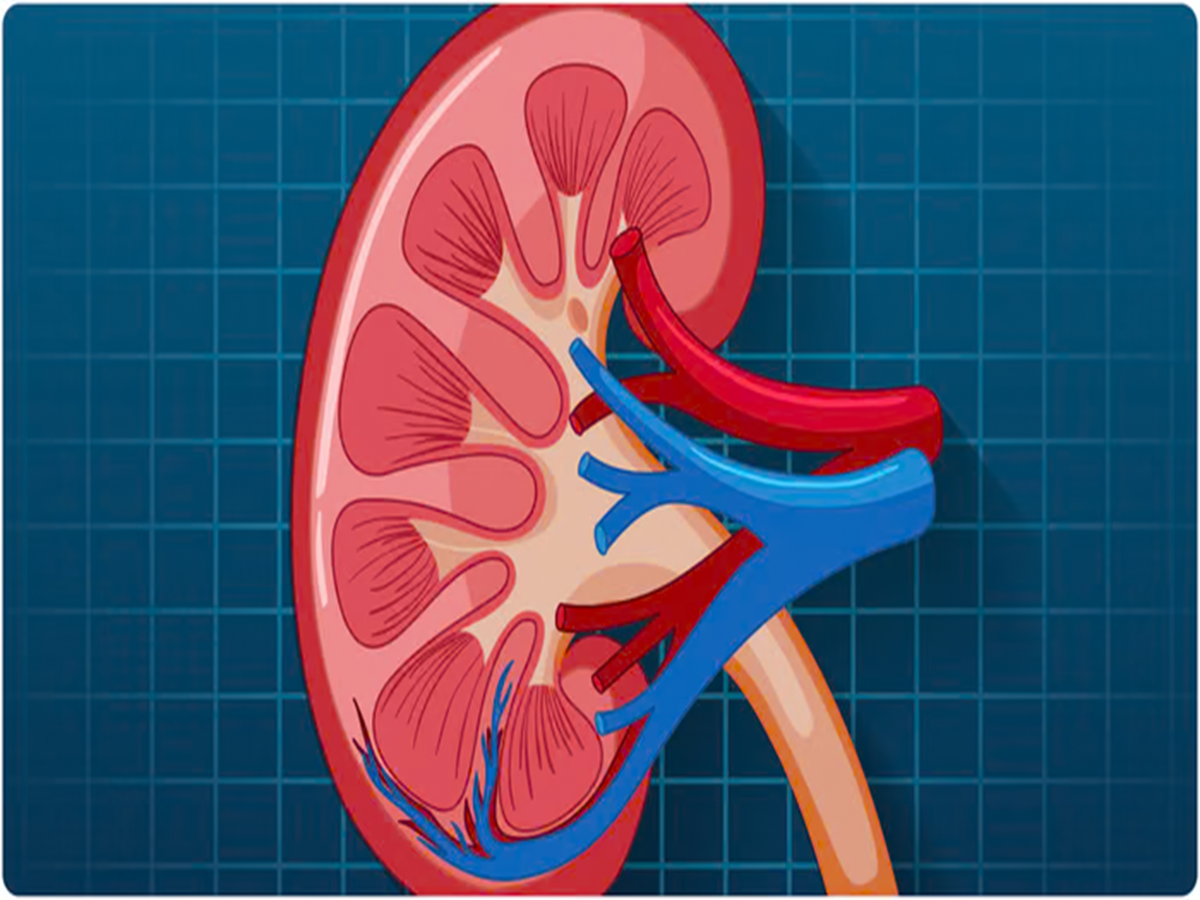
According to experts, patients suffering from high blood pressure are also at heightened risk during hot weather. Heat can disrupt the body's blood circulation, leading to fluctuations in blood pressure. Many individuals may experience dizziness, weakness, or restlessness. Those taking medication for high blood pressure need to exercise particular caution during the summer months, as certain medications can exacerbate dehydration. Intense heat causes the body to sweat profusely, which can result in fluid depletion. If the body does not receive adequate hydration, it can place additional strain on the kidneys. For individuals suffering from kidney disease, dehydration can lead to a severe deterioration of their condition. It is therefore crucial for such patients to maintain a proper balance of water and electrolytes.
PC Social Media