
Parenting
From piggy banks to investments: 5 smart ways to teach children the value of money at a young age..

How to Teach Kids the Value of Money: In today's world, where toys and gadgets arrive at the click of a button, teaching children the value of money is no less than a challenge. Parents often indulge their children's every whim, preventing them from realizing that money comes from hard work. Psychologists believe that the foundation of financial literacy should be laid in childhood. If you want your child to avoid wasteful spending and become responsible for their future, these five smart methods will be very helpful.
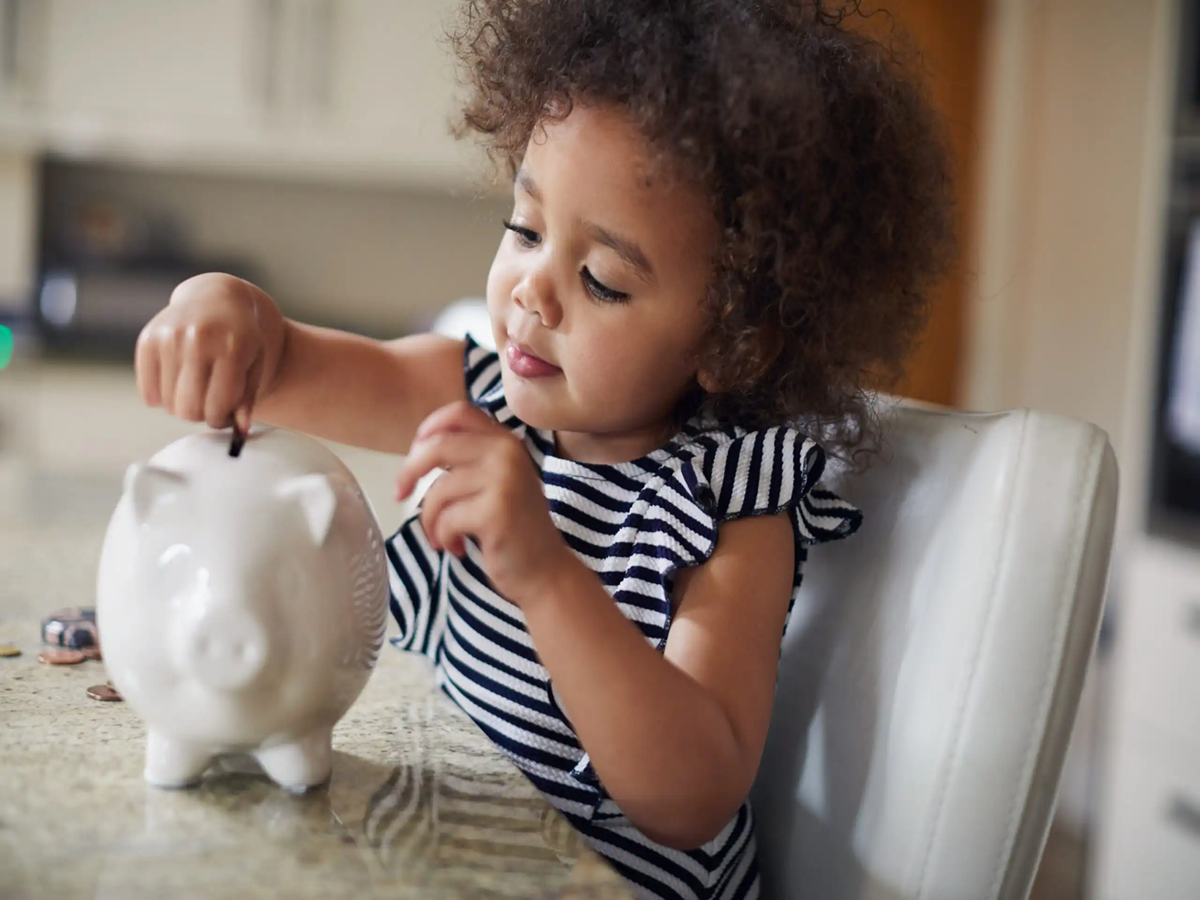
1. Piggy Bank: The First Lesson in Saving
Saving should always begin with a piggy bank at home. When your child is young, give them a transparent container. Transparent so they can see the money grow with their own eyes. Explain that they should put a portion of each pocket money or gift into this piggy bank. This small beginning teaches them patience.
2. The Difference Between a 'Need' and a 'Want.'
Children often think that whatever they like is a necessity. It's important to explain the difference between a 'Need' (a need, such as a school bag or books) and a 'Want' (a want, such as a new video game or an extra toy). The next time they order something while shopping, ask them, "Do you really need this, or do you just want it because it looks pretty?" This question will force them to think.
3. Give them a chance to earn
To teach them that money comes from hard work, reward them with small household chores. Remember, everyday tasks like making their bed or studying shouldn't be included. But give them some money for doing extra chores, such as watering plants or helping clean up old trash. This will help them understand that money doesn't grow on trees, but has to be earned.
4. Teach Budgeting
When your child gets a little older, include them in household budget discussions. If you're going to the supermarket, give them a fixed budget and tell them to manage household items and their favorite items within this budget. When they compare prices themselves, they'll understand how to make the right choices. This also improves their decision-making skills.
5. Introduction to Banking and Investments
As children become teenagers, take them to the bank. Open their own bank account. There are many apps and accounts available specifically for children. Give them basic information about investments (such as mutual funds or fixed deposits). Show them how money grows over time. This will lay a strong financial foundation for their future.

Earning money is a skill, but managing it is a culture. If we teach children financial management from an early age, they will not only be financially secure in the future but will also develop a sense of responsibility and satisfaction.
PC Social Media