
LIFESTYLE
Google strengthens privacy: Users will be able to remove details including Aadhaar, Voter ID, Passport from Search..
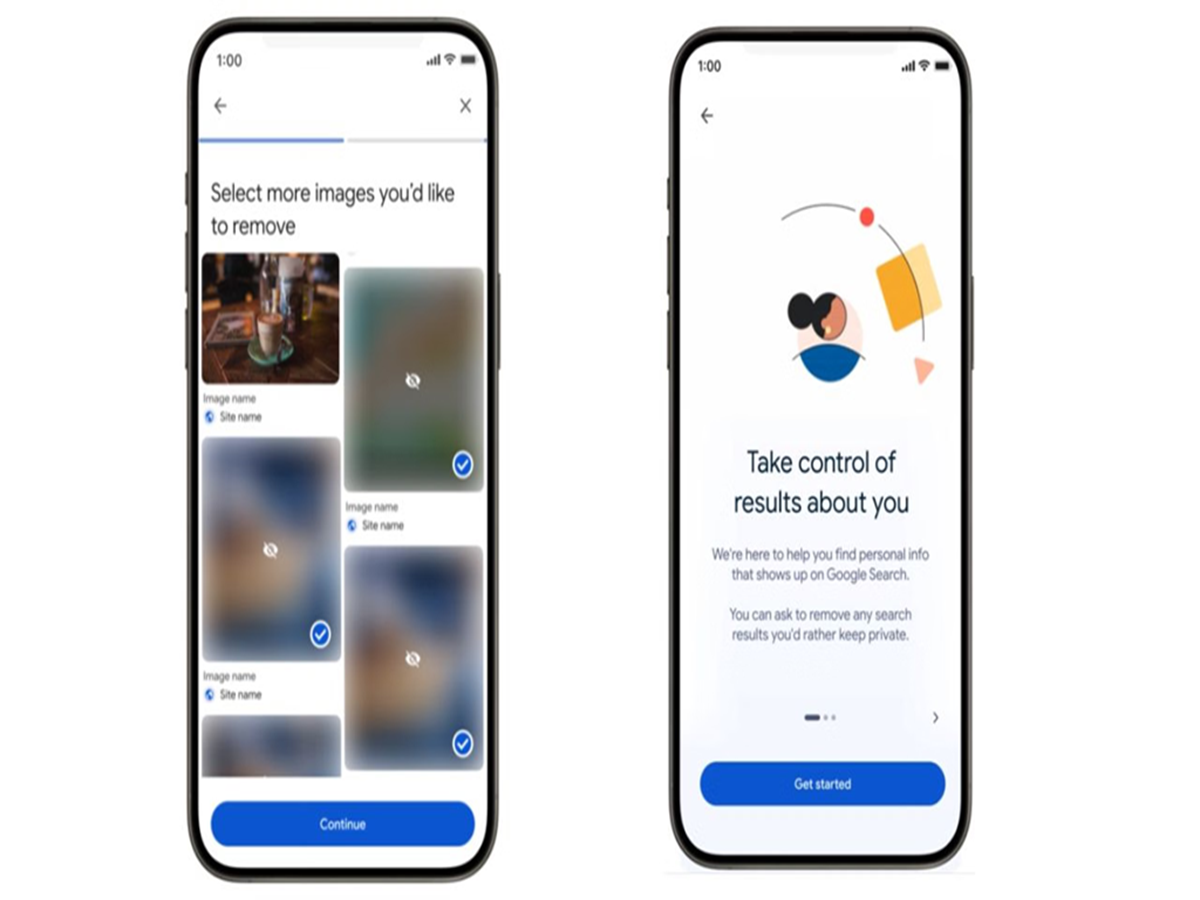
Amid growing concerns about online privacy, Google has made significant changes to its Search platform. The company has added features that allow users to request the removal of their personal and sensitive information from search results.
Now, if objectionable photos of someone shared without their consent appear in Search, the process of removing them has been made easier than before.

Remove objectionable photos like this:
Click the three dots next to any photo in Google Search. Then select the "Remove result" option.
Previously, complaints had to be filed for each photo individually, but now users can select multiple photos and send a request for their removal at once.
Google stated in its blog that simply removing existing content isn't the solution. Under the new system, users can also choose additional security options, which will pre-filter objectionable results for similar searches in the future.
Removing private information is easy with a new tool.
Some websites often secretly use your private information, such as email, photos, videos, Aadhaar, passport, and voter ID. This information appears in Google search results, putting your privacy at risk. Google has also simplified the removal process. You can now remove your personal information by following a few steps:
Step 1
Open the Google app on your mobile and click on the profile icon in the top right.
Step 2
Select the Results about you option in the menu.
Step 3
Click the Get started button to set up a monitoring profile. Here, you'll need to enter information such as your full name, address, phone number, and email address.
Note that for better results, you'll also be asked to add information from identification documents, such as your Social Security number, passport number, or driver's license.
Step 4
Check and confirm the information you entered carefully. Google says this data will be encrypted and protected under the company's high-security protocols.
Step 5
After confirming, Google will automatically scan search results. If any pages contain your personal information, you'll receive a notification via the app or email.
You can then request removal by selecting the Request Removal option. Users can also track the status of all their requests in the Results about you hub.
PC Social Media