LIFESTYLE
Gulab Jamun: How did Gulab Jamun get its name without roses and berries? Know the interesting history of this sweet..
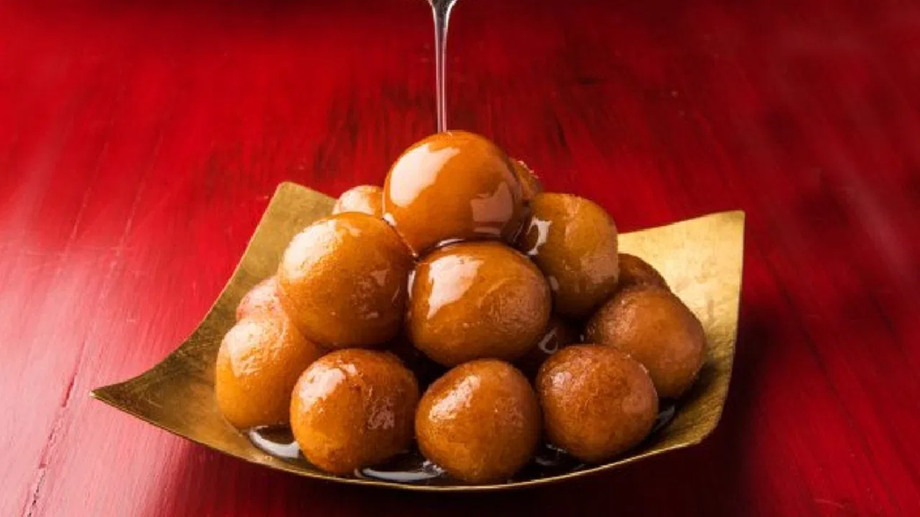
It is rare to talk about Indian sweets and not mention Gulab Jamun. Be it a festival, wedding, or any small happiness at home, Gulab Jamun makes every occasion sweeter, but have you ever wondered why this sweet is named Gulab Jamun, even though it contains neither rose flowers nor berries? Not only this, but it is not directly related to India either.
The secret behind the name of this sweet
Actually, the roots of the name 'Gulab Jamun' are hidden in the Persian language. The Persian word 'Gulab' means Gul, i.e., flower, and Aab, i.e., water. It means "rose water" or "sweet water with rose fragrance". Since this sweet is served by dipping it in syrup, it got this name. At the same time, the color and shape of the fried khoya balls resemble the jamun fruit, so the other part, 'Jamun', was added. This is how this popular sweet, Gulab Jamun, was made.
How did Gulab Jamun reach India?
Historians believe that Gulab Jamun originated in Central Asia and Iran. Later, Turkish and Mughal chefs brought it to India. According to some beliefs, a cook in the court of Mughal emperor Shah Jahan prepared it for the first time, and Shah Jahan liked it so much that this sweet became famous in the entire empire. Gradually, it had made its place in every part of India.
Interesting story related to Kolkata
Another popular story related to Gulab Jamun is from Kolkata. It is said that in the 19th century, the famous confectioner Bhim Chandra Nag prepared a new sweet for a special guest, Lady Canning (wife of Governor General Lord Canning). This sweet was long and cylinder-shaped, and everyone liked it so much that it came to be called 'Ledikeni' after Lady Canning. Even today, this sweet is made with great pomp in Bengal.
Similarity with foreign sweets
Gulab Jamun is not the only sweet whose roots are connected to a foreign land. Turkey's Tulumba, Persian Bamih, and Arab countries' Luqmat-al-Qadi sweets are very similar to Gulab Jamun in taste and texture. The only difference is that there they are soaked in rose water or honey syrup, while in India, sugar syrup is used.
Different names and identity
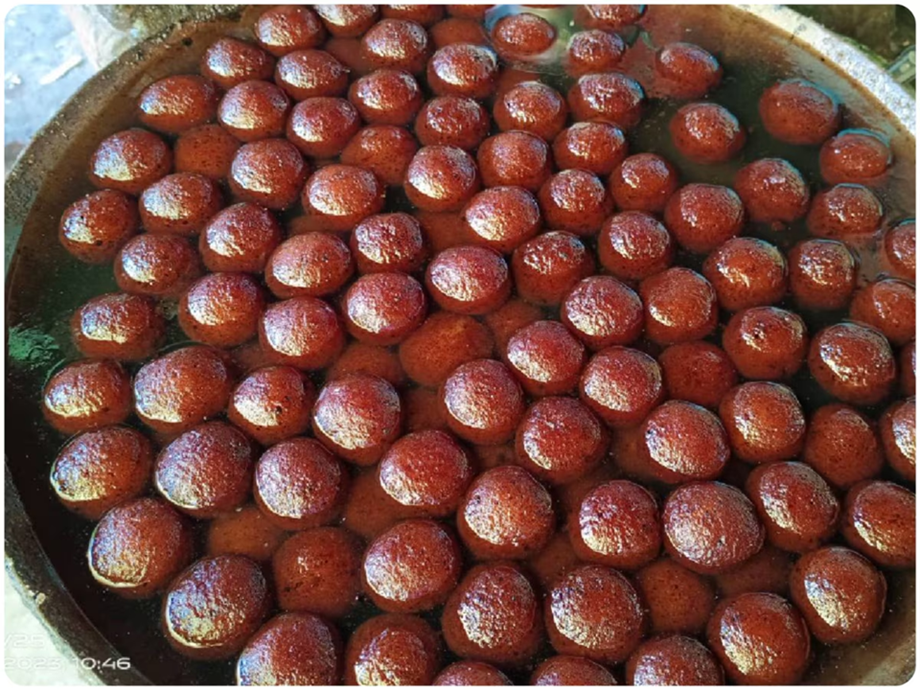
Gulab Jamun is known by many names in India, too. In West Bengal, it is called Pantua or Kalo Jam. At the same time, the big Gulab Jamuns of Jabalpur in Madhya Pradesh are quite famous. Everywhere, its taste and tradition have a different color.
Why is it so special?
Gulab Jamun is not just a sweet but has become a part of Indian culture and hospitality. It is eaten on every occasion when people want to share their happiness. Its soft texture and juicy taste fascinates everyone, be it children or the elderly.
In this way, the journey of Gulab Jamun started from Persia and reached every corner of India. The name may be associated with roses and jamuns, but the real sweetness lies in its syrup and tradition. Perhaps this is the reason why this dish is still among the most favorite sweets of Indians.
PC Social media