LIFESTYLE
Gurudwaras in Delhi: From Punjab to Himachal Pradesh, which Gurudwaras should you definitely visit on Lohri?
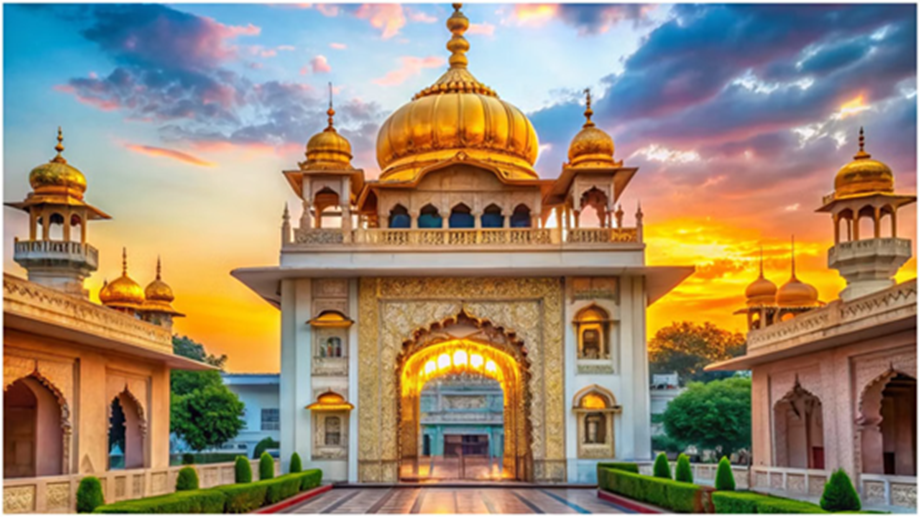
Lohri 2026: The cold nights of Punjab, the flames of the bonfire, the echoes of folk songs, and the serenity of prayers—Lohri is not just a festival, but a celebration of faith, gratitude, and community unity. The hard work in the fields, gratitude towards nature, and seeking refuge in the Guru—the confluence of these three makes Lohri special. Lohri will be celebrated on January 13, 2026 (Tuesday). This festival falls every year, a day before Makar Sankranti, and marks the end of winter and the arrival of the Rabi crop.
Visiting the Gurdwara on Lohri is not just a tradition, but an expression of spiritual balance and gratitude. In the Sikh tradition, thanks are given to Waheguru on this day. Prayers are offered for a good harvest, blessings of children, and prosperity. The message of equality and service is conveyed through the Langar (community kitchen). Courage and justice are honored in memory of the folk hero Dulla Bhatti. Bowing down at the Gurdwara before or after circling the bonfire reminds us that humility is essential before celebration.
Lohri is indeed a festival of drums, music, and sweets, but its soul lies in seeking refuge in the Guru, service, and equality. Visiting the Gurdwara reminds us that bowing our heads is necessary before sharing our joys.
Famous Gurdwaras in India where you can visit on Lohri:
Sri Harmandir Sahib (Golden Temple), Amritsar
The holiest Gurdwara of Sikhism is located in Amritsar. Sri Harmandir Sahib is also known as the Golden Temple because it is covered with gold plating. Its foundation was laid by Saint Hazrat Mian Mir, and its construction was completed by Guru Arjan Dev Ji. The peace and grandeur here on Lohri offer a unique experience. Shabad-kirtan, circumambulating the Sarovar (holy tank), and the massive Langar give new energy to one's faith.
Takht Sri Keshgarh Sahib, Anandpur Sahib
Located in Anandpur Sahib, Punjab, this is one of the five Takhts (seats of authority) of the Sikhs. It is the birthplace of the Khalsa Panth. Here, Guru Gobind Singh Ji laid the foundation of the Khalsa in 1699. On Lohri, special congregations and prayers are held here. A rare confluence of history and faith can be witnessed.
Gurdwara Bangla Sahib, Delhi
The heart of Delhi. Thousands of devotees pay their respects here on Lohri. The sacred pool and the community kitchen (Langar) bring peace to the mind. Gurdwara Bangla Sahib is a prominent and sacred Sikh gurdwara located in New Delhi, associated with the 8th Sikh Guru, Sri Guru Har Krishan Sahib Ji, and historically built on the site of Raja Jai Singh's bungalow, where Guru Har Krishan Ji served humanity during a smallpox epidemic. It is famous for its sacred pool and its large community kitchen (Langar).
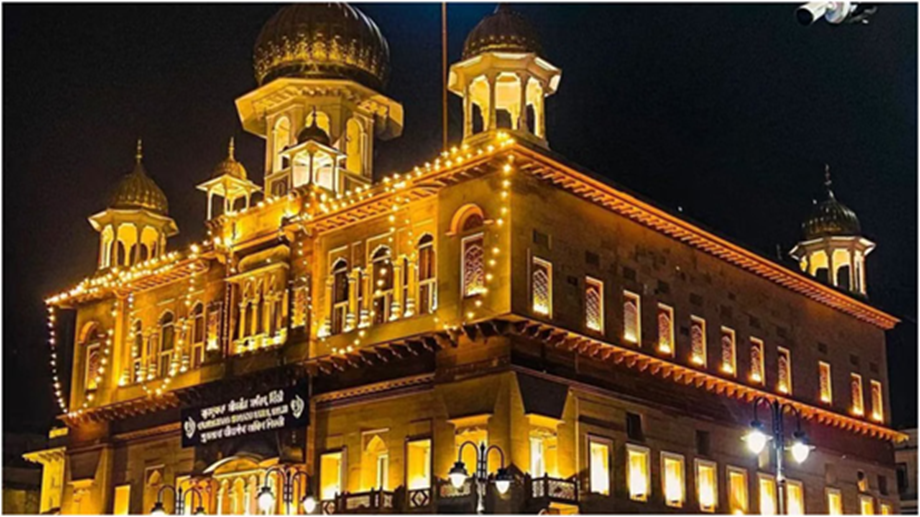
Gurdwara Sis Ganj Sahib, Delhi
This place, associated with the martyrdom of Guru Tegh Bahadur Ji, reminds us of sacrifice and truth on Lohri. Located in Chandni Chowk, Delhi, this historical gurdwara was built in 1783 by Baghel Singh in memory of the martyrdom of the ninth Sikh Guru, Guru Tegh Bahadur.
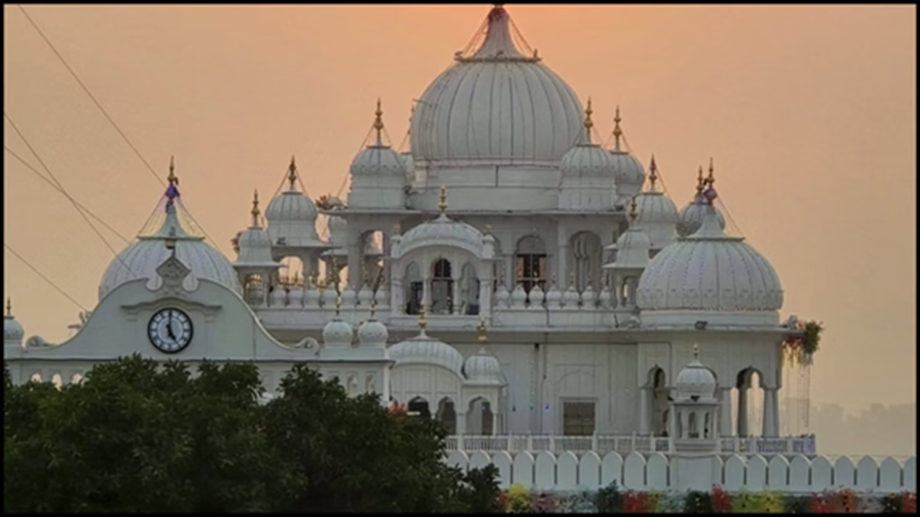
Gurdwara Damdama Sahib, Talwandi Sabo
Gurdwara Damdama Sahib is located in Bathinda, Punjab. It is known as the 'Kashi of the Gurus'. The spiritual atmosphere here is especially vibrant on Lohri. This gurdwara is one of the five Takhts (seats of authority) of Sikhism, located in the Bathinda district of Punjab. It is the sacred place where Guru Gobind Singh Ji finalized and installed the Guru Granth Sahib.
PC Social Media