
FASHION
Hair Care: Is your scalp still sticky despite frequent shampooing? Change these habits today..
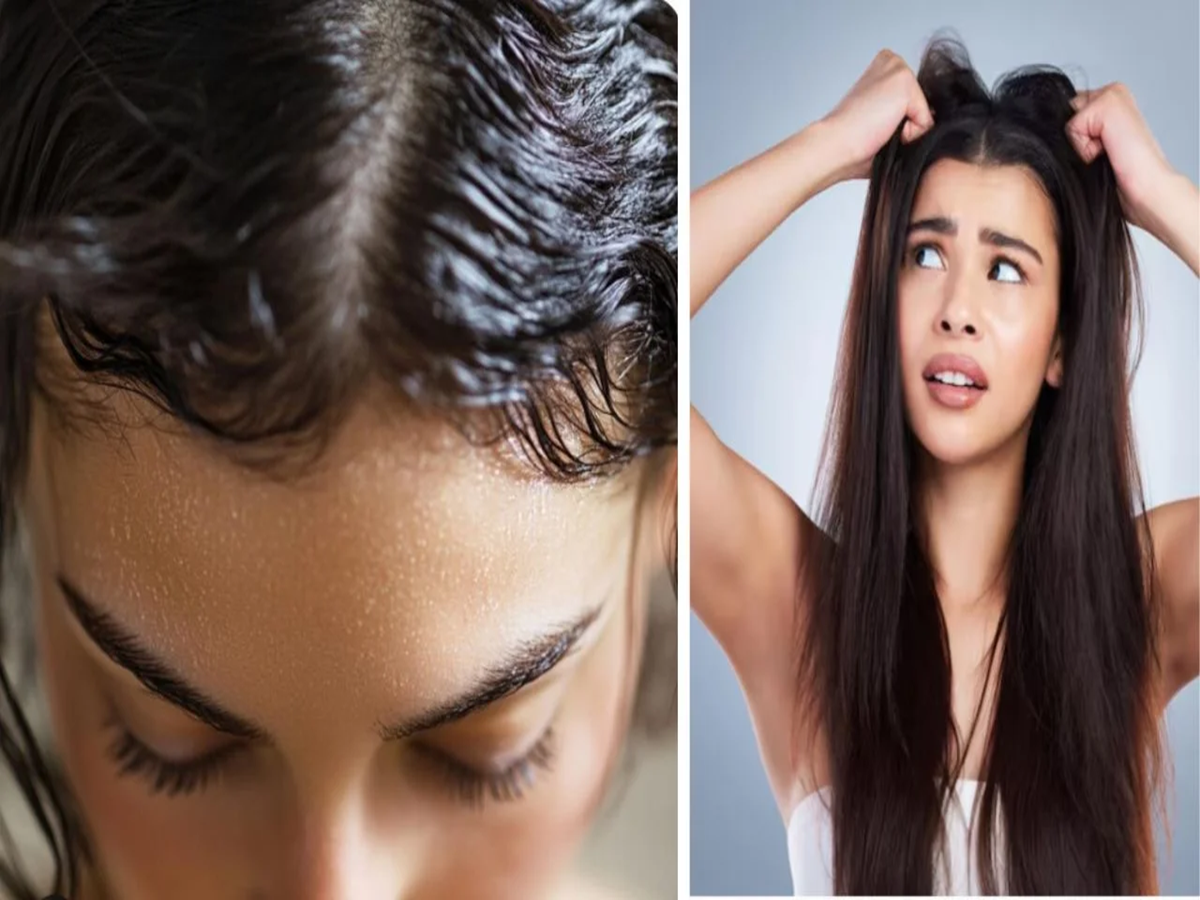
Hair Care Tips: After washing our hair, we expect the scalp to feel fresh, light, and clean. However, despite shampooing, the scalp can sometimes still feel oily, sticky, or heavy. Some people feel that while the lengths of their hair are clean, dirt remains near the roots. Repeatedly shampooing isn't always the solution in such cases.
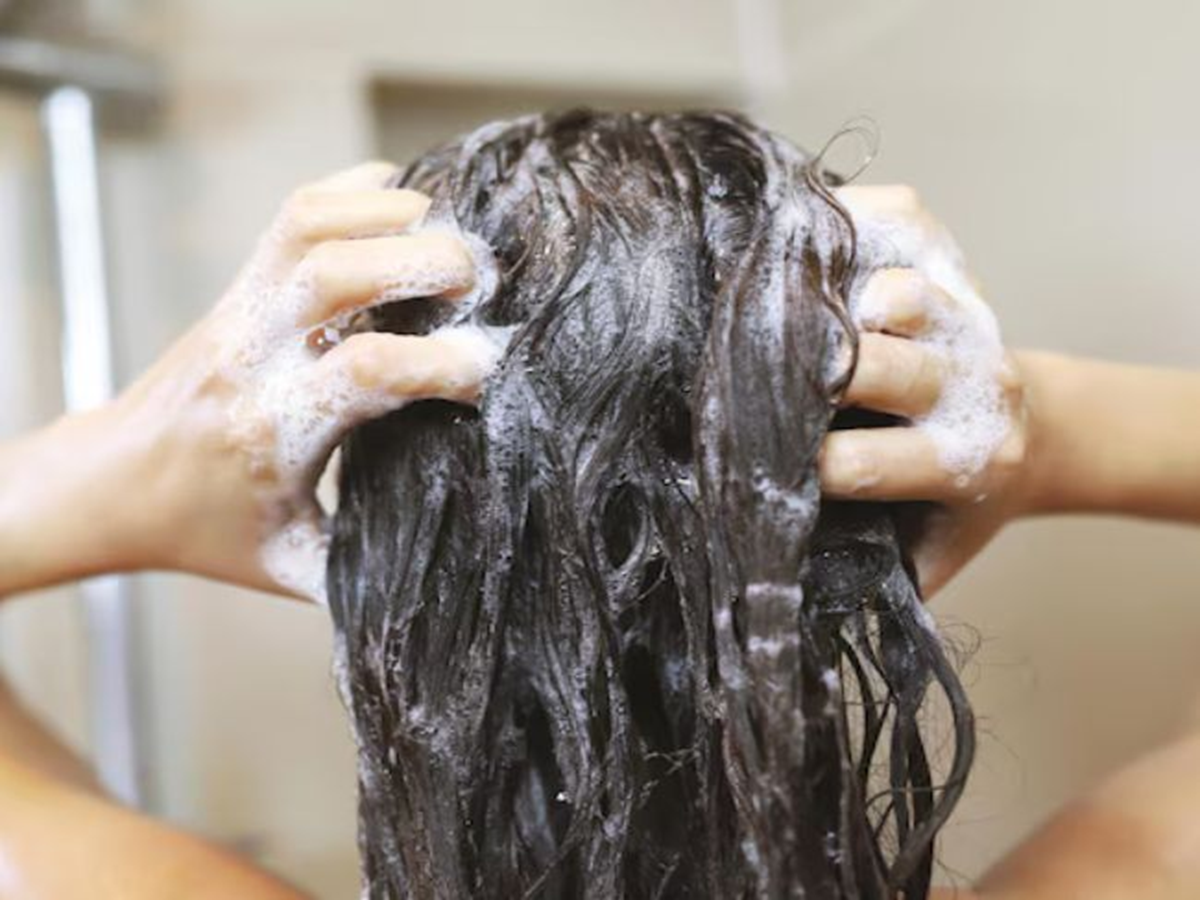
Natural oil, known as sebum, is produced on the scalp. Sweat, dust, hair products, and dead skin cells can accumulate along with it. If the washing technique isn't correct, these residues can remain on the scalp. Conversely, over-shampooing or using water that is too hot can irritate the scalp.
For a clean and healthy scalp, it is crucial to focus on your hair-washing routine. Small details—such as the amount of shampoo used, the application method, the washing technique, and the products chosen—can make a significant difference.
If your scalp doesn't feel clean even after washing, take a look at these daily habits:
**Don't apply shampoo directly to the lengths of your hair**
The primary function of shampoo is to cleanse the scalp. Therefore, pour it into your palms, apply it gently to the scalp, and massage slowly using your fingertips. There is no need to vigorously rub the lengths of the hair.
**Don't scrub the scalp too hard**
In an attempt to get a deeper clean, many people scratch or scrub their scalp with their fingernails. This can cause skin irritation. Instead, massage gently using the soft pads of your fingers.
**Rinse out the shampoo thoroughly**
Sometimes the problem lies not in the shampooing itself, but in the rinsing process. Rinse with plenty of water until all the shampoo is completely removed from the scalp and hair. This is especially important for those with thick hair.
Avoid using excessive hair products.
Overusing hair gels, waxes, dry shampoos, serums, or other styling products can lead to a buildup of dirt and residue. If you use such products regularly, adjust your hair-washing routine accordingly.
Do not wash your hair with very hot water
Very hot water can leave the scalp feeling dry or irritated. Using normal or lukewarm water is a better option for washing your hair.
Don't focus only on the length of your hair
When shampooing, pay adequate attention to your scalp rather than focusing solely on the hair strands. It is important to gently cleanse the hair roots and scalp, as this is where oil and sweat tend to accumulate.
Hair-washing frequency varies from person to person
A one-size-fits-all approach to hair-washing frequency does not work for everyone. Needs may differ based on factors like having an oily or dry scalp, curly hair, or excessive sweating. It is best to create a routine tailored to your scalp type and lifestyle.
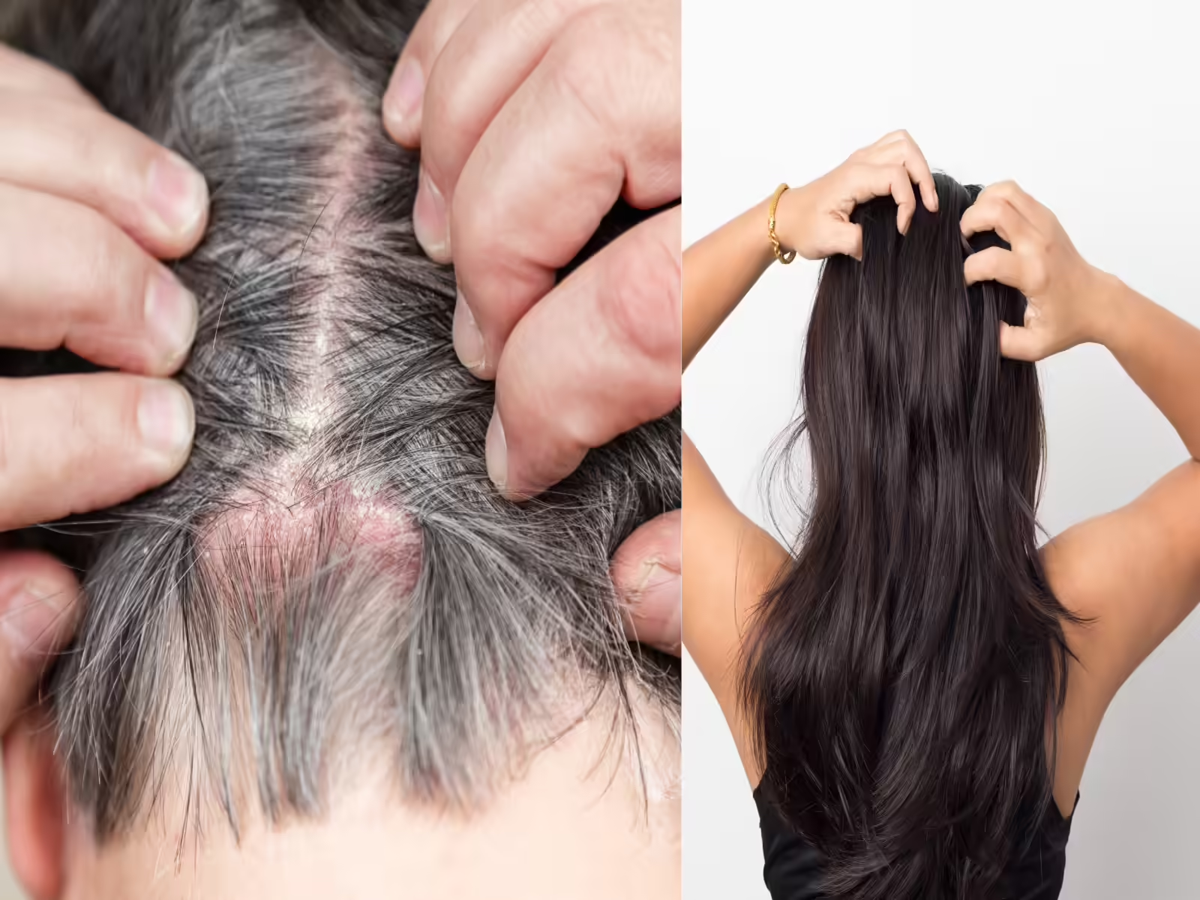
Some simple tips for scalp care
Consider your hair product needs before washing. Choose a shampoo suited to your scalp type, and if you experience itching, burning, or redness after using a new product, discontinue its use and consult an expert. Do not ignore persistent issues such as intense itching, burning, redness, sores, pain, or unusual hair loss by simply attributing them to the shampoo; in such cases, it is best to consult a dermatologist.
PC Social Media