
LIFESTYLE
Health Alert: Eating these things during the rainy season could land you in the hospital; this medical advice is essential for everyone..
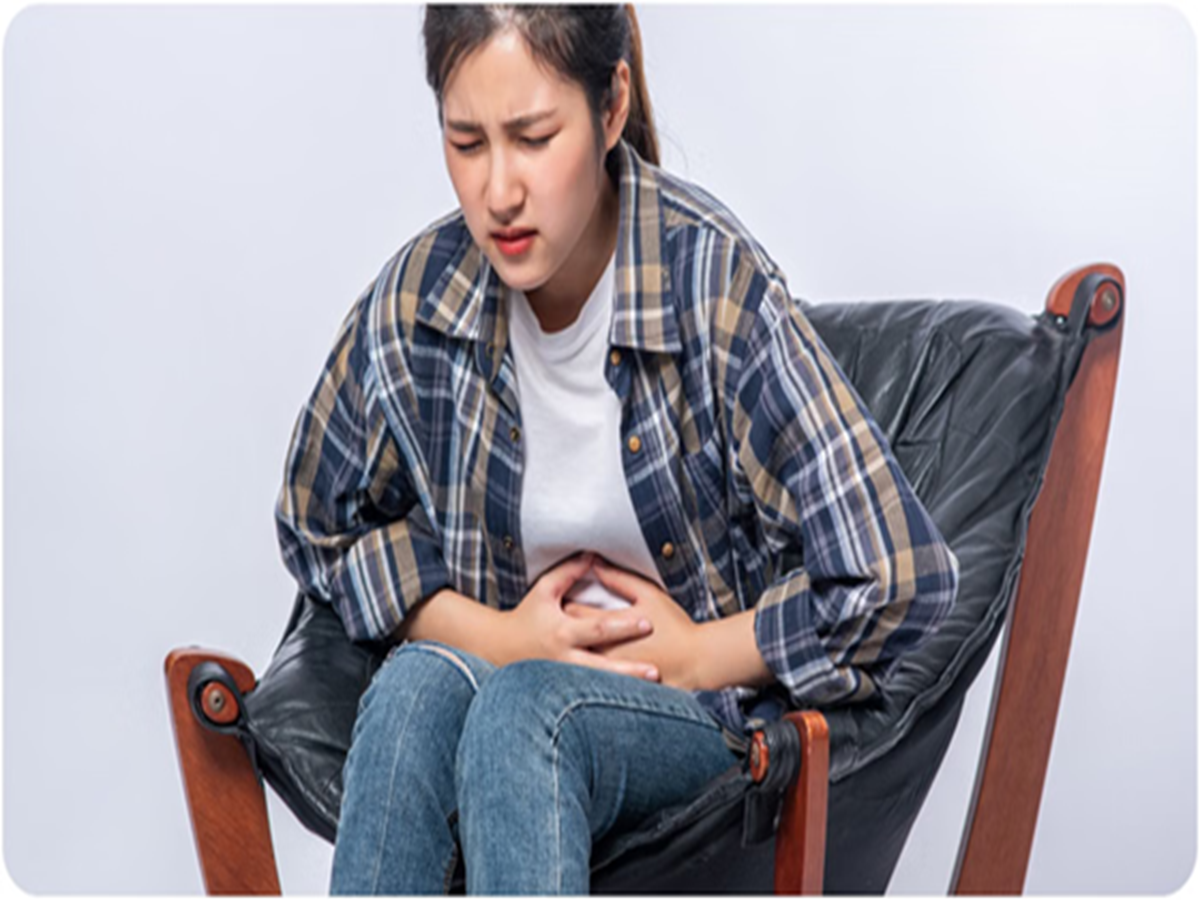
The onset of the rainy season brings an increased risk of various illnesses. During this time, alongside mosquito-borne diseases, issues related to diet and food safety also rise significantly. Negligence regarding food habits during this period can lead to serious problems like food poisoning.

Every year during the monsoon, hospitals see a surge in patients suffering from vomiting, diarrhea, stomach pain, and dehydration. The primary reason for this is the rapid proliferation of bacteria, viruses, or parasites in food and water. High humidity levels during the monsoon cause food to spoil quickly. Food poisoning can occur if food is left at room temperature for too long, is not cooked properly, or if contaminated water is consumed.
Let us understand how you can avoid this problem.
Understanding Food Poisoning
Food poisoning occurs when bacteria, viruses, or parasites enter the body through contaminated food or water. Symptoms include vomiting, diarrhea, and stomach pain. In most cases, patients recover with rest and adequate fluid intake, but severe infections can lead to complications.
The humidity and temperature during the rainy season create favorable conditions for the growth of various microorganisms.
The risk of infection increases due to leaving food out for extended periods, drinking contaminated water, and consuming street food sold in the open.
Flies can also transfer bacteria from filth to food.
This is why cases of food poisoning are more common during the monsoon compared to other seasons.
What are the symptoms of food poisoning?
Food poisoning causes issues such as vomiting, diarrhea, and stomach cramps. Additionally, some people may experience nausea, fever, weakness, dehydration, and dizziness.
You should consult a doctor immediately if you notice blood in the stool, high fever, persistent vomiting, or signs of dehydration. The infection can quickly become severe in children under five years of age, the elderly, and pregnant women.
How can food poisoning be prevented?
To prevent food poisoning, always consume fresh food and ensure it is thoroughly cooked.
Drink clean water, wash your hands before eating, and avoid consuming uncovered food sold outdoors.

During the rainy season, cut vegetables left uncovered can easily become contaminated with bacteria and viruses. The risk of infection increases manifold if the water is unclean or utensils have not been properly washed. Therefore, exercise caution regarding roadside food during the monsoon.
PC Social Media