LIFESTYLE
Health: Can cholesterol levels rise without causing any symptoms? Understand how it can become a silent killer..

High cholesterol is a major cause of heart attacks and heart disease, but it's often called the silent killer. It gets this name because the signs of high cholesterol don't appear until the situation becomes very serious.
In such a situation, it's important to understand how to detect cholesterol in time and how it becomes a silent killer. Let's find out the answers to these questions.
Why is cholesterol dangerous?
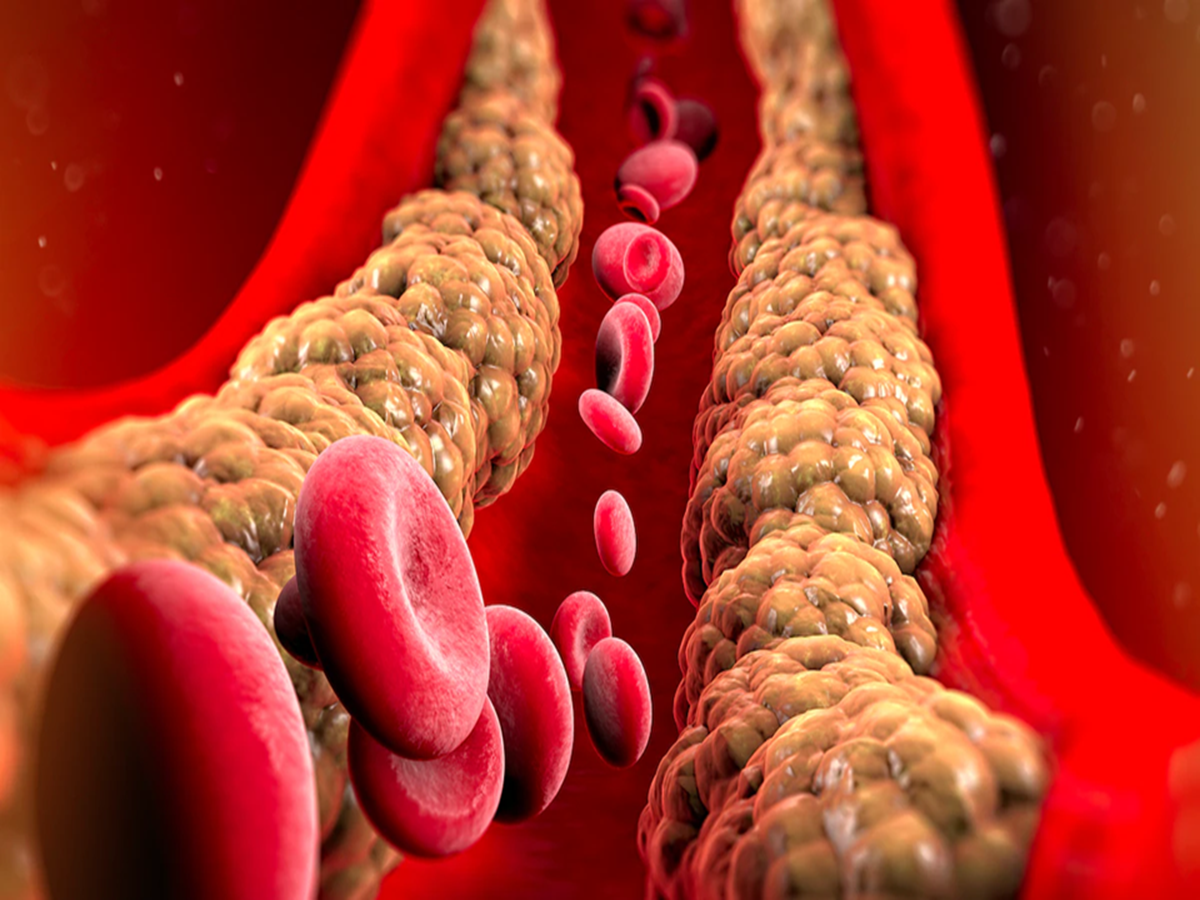
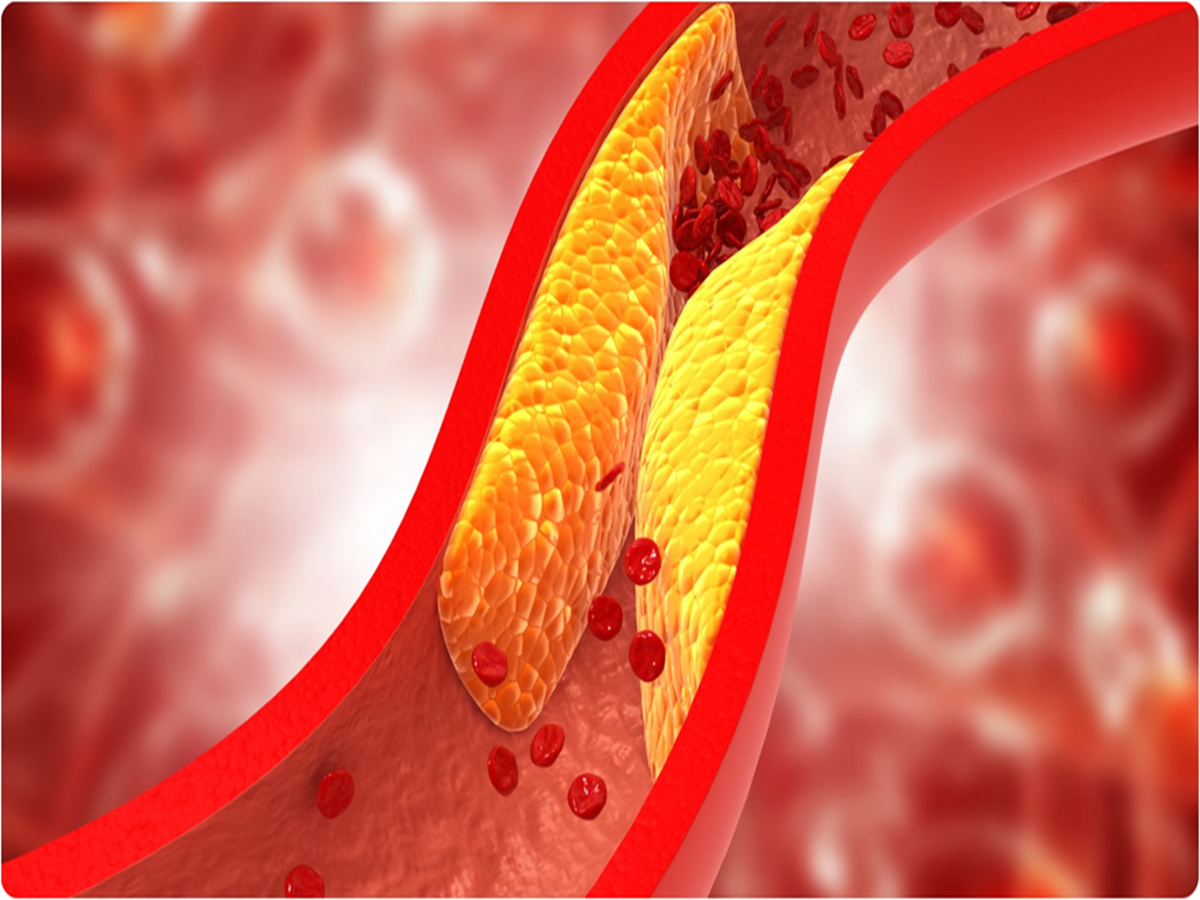
Cholesterol is a waxy substance found in our blood. The body needs a certain amount of good cholesterol (HDL), but if the amount of bad cholesterol increases, it starts accumulating in the arteries.
Are there any symptoms of high cholesterol?
The simple answer is no. High cholesterol usually has no symptoms. A person may feel perfectly healthy while plaque gradually accumulates in their arteries. However, when the condition becomes severe, the body may show some signs, such as:
Tingling in the hands and feet - Numbness may occur due to obstructed blood flow in the veins.
Yellow spots on the skin - Some people develop small yellow spots on the corners of their eyes or eyelids, which are a sign of cholesterol buildup.
Shortness of breath or fatigue - Lack of adequate oxygen supply to the heart can cause fatigue even with simple tasks.
Chest discomfort - If the arteries become severely blocked, chest pain may occur.
How does this silent killer develop?
Cholesterol can harm the body in several ways, such as:
Plaque buildup - When the amount of bad cholesterol in the blood is high, it begins to stick to the walls of the arteries. Over time, it hardens and forms plaque.
Narrowing of the arteries - As plaque builds up, the arteries become narrower and stiffer. This reduces blood flow and increases blood pressure.
Blocked blood circulation - This process can occur painlessly for years. The body adapts to this change, so the patient may not feel anything.
Heart attack or stroke - When arteries become completely blocked or there is very little room for blood flow, it causes a heart attack or stroke.
How to diagnose?
Because there are no visible symptoms, the only way to prevent this is through regular lipid profile testing, especially if you have a family history of high cholesterol. Additionally:
Avoid saturated and trans fats. Eat a diet rich in omega-3 fatty acids and fiber.
Exercise helps increase good cholesterol, which in turn helps lower bad cholesterol.
Increasing weight directly affects cholesterol levels. Therefore, try to maintain a healthy weight.
PC Social Media