
LIFESTYLE
Health Matters: If you take Vitamin D supplements, be aware of the risks of an overdose—could you also fall victim to it?
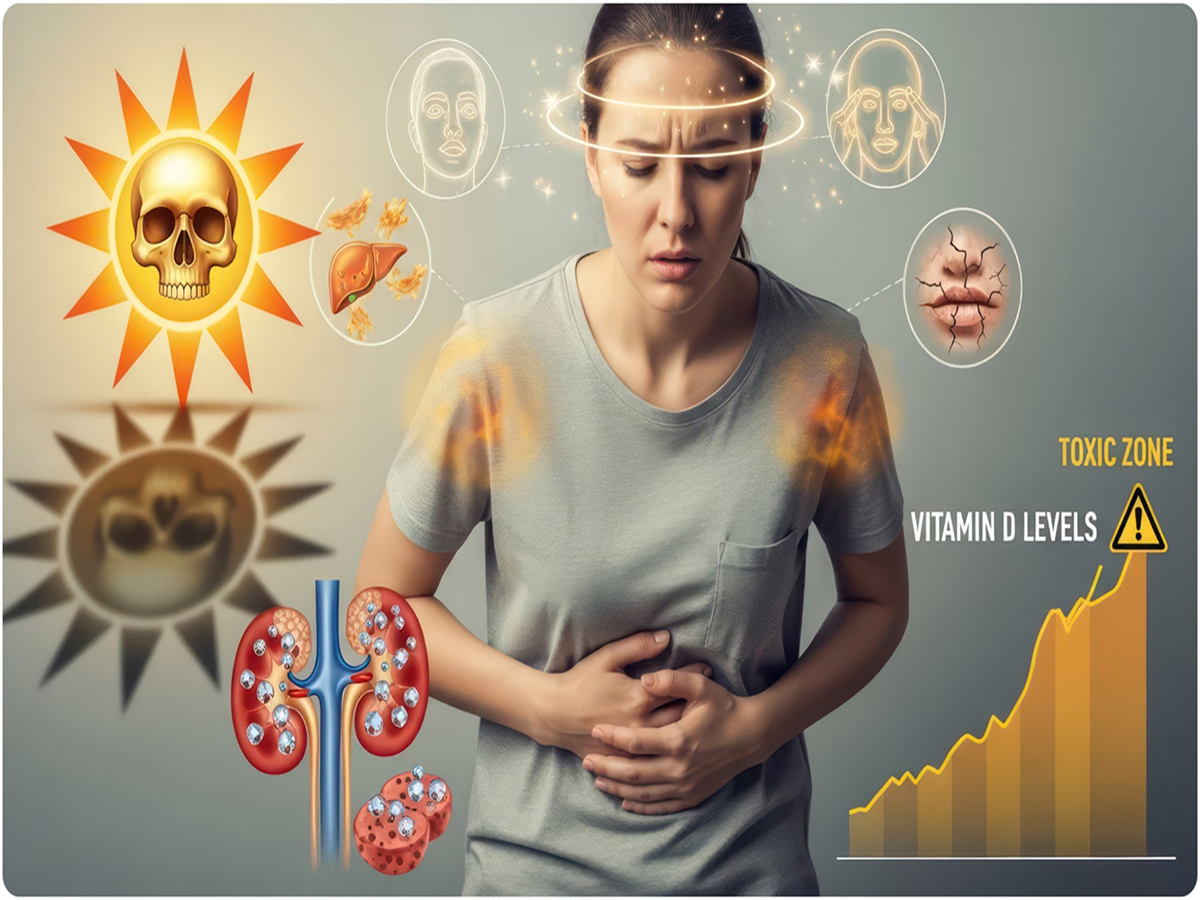
An adequate intake of vitamins and minerals is essential for maintaining a healthy body. Vitamin D is one such vital nutrient; it plays a crucial role in strengthening bones, supporting normal muscle function, and enhancing immunity. However, while this vitamin is essential for health, an excess of it can be equally harmful to the body.

According to experts, many people begin taking Vitamin D supplements on their own to address a deficiency; however, consuming them in excessive amounts without a genuine need can increase health risks. Long-term, high-dose intake of Vitamin D supplements can lead to the risk of Vitamin D toxicity.
Let us explore the potential adverse effects.
What happens when there is an excess of Vitamin D?
Vitamin D toxicity typically occurs due to the long-term consumption of excessively high doses of supplements. It does not generally occur through dietary sources or sun exposure under normal circumstances. The risk is primarily seen in individuals with certain underlying medical conditions or those who continue to take supplements without consulting a doctor.
When Vitamin D levels in the body exceed what is required, the level of calcium in the blood rises—a condition known as hypercalcemia.
This can lead to symptoms such as nausea, vomiting, increased thirst, weakness, and frequent urination.
Impact on the kidneys and digestive system
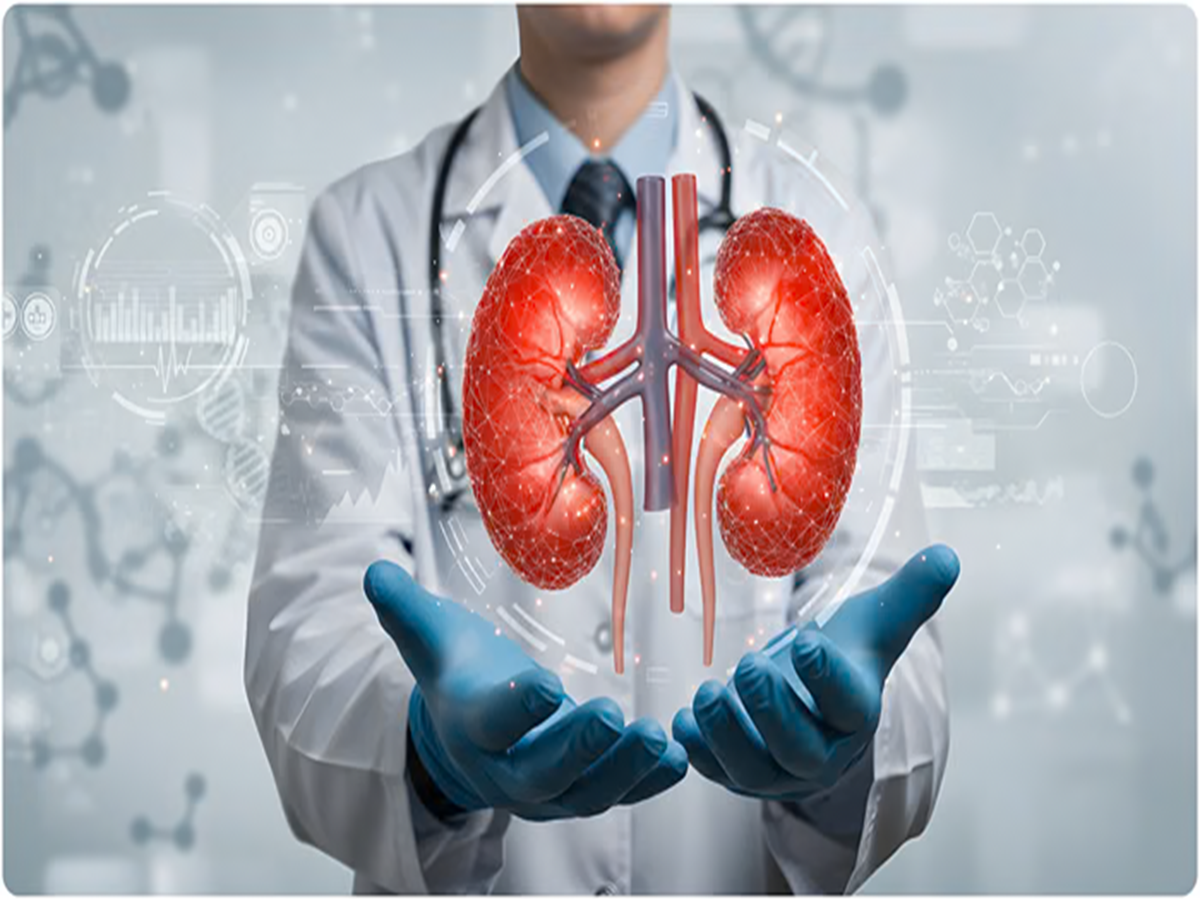
Elevated blood calcium levels can place strain on the kidneys. In severe cases, it increases the risk of developing kidney stones or impairing kidney function. Therefore, individuals who take Vitamin D supplements over an extended period should remain cautious.
Furthermore, hypercalcemia resulting from an excess of Vitamin D can also lead to gastrointestinal issues. Some people may experience symptoms such as nausea, vomiting, constipation, or a loss of appetite. Impact on Mental State
When calcium levels in the blood become excessively high, the nervous system can also be affected. This may lead to symptoms such as headaches, weakness, confusion, irritability, and difficulty concentrating. In very severe cases, complications like a reduced level of consciousness have also been observed.
What should you keep in mind when taking Vitamin D?
For a healthy adult, a daily intake of approximately 400–800 IU (10–20 micrograms) of Vitamin D is sufficient. Consuming amounts significantly higher than this on a regular basis can pose various health risks. The appropriate amount of Vitamin D for you depends on your age, overall health, and your current Vitamin D status.
You should avoid taking high-dose supplements without consulting a doctor.
PC Social Media