
LIFESTYLE
Health: Men can also develop breast cancer; never ignore these changes in the chest area..

While breast cancer in women is frequently discussed, it is often overlooked in men. Although breast cancer in men is very rare—affecting only about 1% of the population—a delay in recognizing its symptoms can lead to a serious condition. Therefore, it is essential for men to be aware of this life-threatening disease.
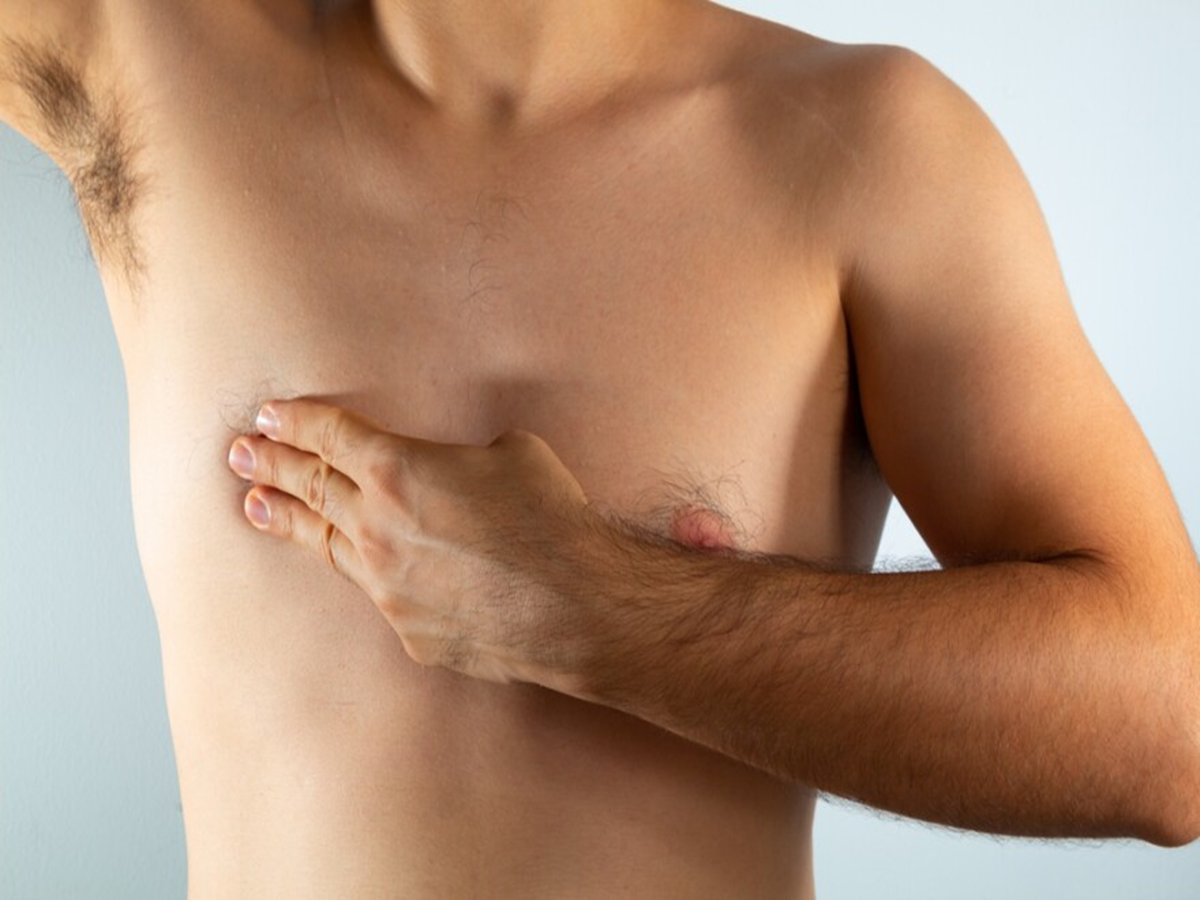
Understanding Breast Cancer in Men
Men have very little breast tissue beneath the nipple. It is important to note that while this tissue does not develop in the same way as it does in women, it can still give rise to breast cancer. In most men, the cancer originates in the milk ducts—a condition medically referred to as "invasive ductal carcinoma."
Recognizing the Signs
The primary challenge regarding breast cancer in men is that its signs are often difficult to identify early. In many cases, men may also feel hesitant to consult a doctor. Here are some potential warning signs:
A painless lump or a thickening of the breast tissue, particularly around the nipple.
Changes to the nipple, such as it becoming inverted (pulled inward), redness, or the formation of a crust.
Discharge from the nipple, especially if it is bloody.
Swelling or the development of a lump in the underarm area.
Changes to the skin, such as dimpling or the appearance of sores/blisters.
It is important to understand that these signs do not always indicate cancer; therefore, it is essential to consult a doctor for a professional evaluation.
Who Is at Higher Risk?
Several factors can increase the risk of breast cancer in men, including advancing age, a family history of the disease, genetic mutations (such as those in the BRCA1 and BRCA2 genes), prior radiation exposure to the chest, and certain hormonal conditions. Additionally, conditions such as Klinefelter syndrome and liver-related diseases—which affect hormonal levels—increase the risk of breast cancer in men.
What is the treatment?
For diagnosis, a doctor will first conduct a clinical examination, followed by imaging tests—such as a mammography or ultrasound—and potentially a biopsy to confirm the presence of cancer. The treatment itself depends on the stage of the cancer and may include surgery, radiation therapy, chemotherapy, hormone therapy, or targeted therapy.

Awareness about breast cancer in men is essential.
It is important to note that while breast cancer is rare in men, this is no reason to overlook it. Men need to understand that breast health is not a concern exclusive to women. Recognizing the signs early can be crucial for effective treatment.
PC Social Media