
LIFESTYLE
Health: Not every worm found in spinach or cauliflower is a tapeworm; take care when washing them..
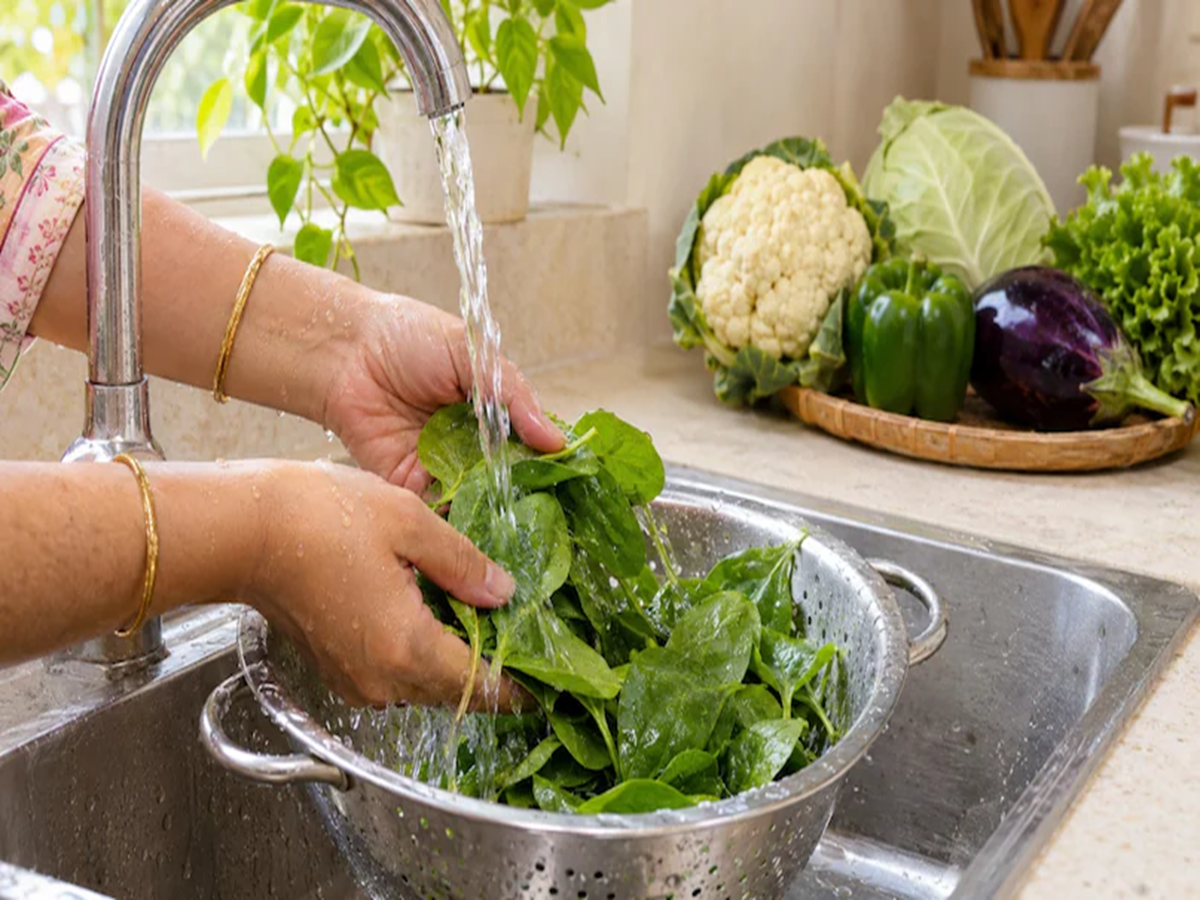
How to Wash Vegetables Safely: During the winter, vegetables like spinach, cabbage, and cauliflower are frequently prepared in households. It is common to find soil or small insects tucked between the leaves while cleaning them. However, are all such insects tapeworms, and do they travel directly to the brain the moment one consumes the vegetable? This is a misconception. The real risk arises from food or water contaminated with tapeworm eggs, which originate from the feces of an infected person.
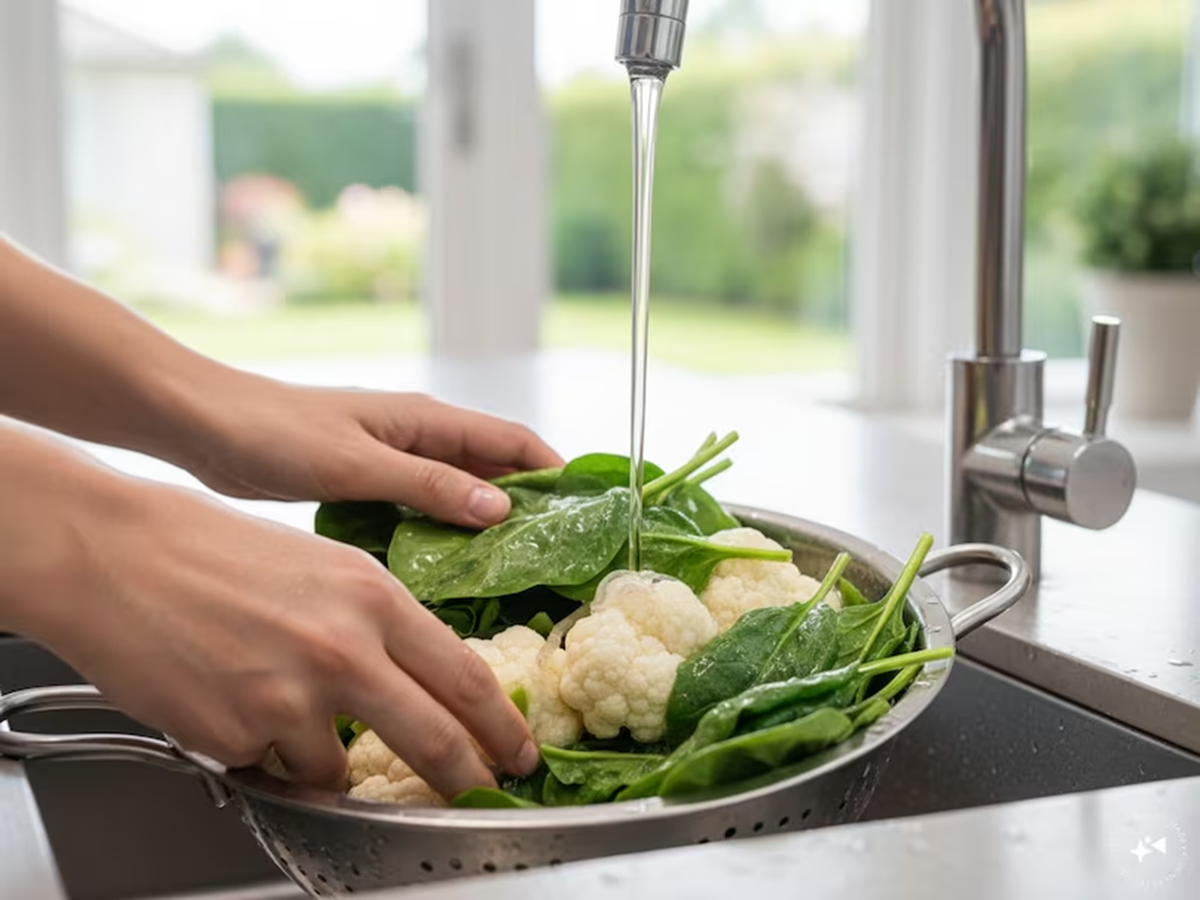
Maintaining clean hands, using safe water, and following proper food preparation methods help mitigate this danger. There is no need to stop eating vegetables like spinach, bell peppers, cabbage, eggplant, lettuce, or cauliflower simply out of fear. The World Health Organization (WHO) links such infections to contaminated food, water, and poor hygiene. Therefore, it is essential to understand how the disease spreads and what habits in the kitchen should be improved.
How Brain-Related Infections Occur: Eggs of the tapeworm *Taenia solium* can enter the body through contaminated food, water, or unwashed hands. Once inside, these eggs hatch into larvae, which can form cysts in various body tissues. When this condition affects the brain or the central nervous system, it is known as neurocysticercosis. This does not mean that an insect seen on a vegetable crawls directly into the brain. An intestinal infection involving an adult tapeworm and an infection where cysts form in body tissues are two distinct conditions; it is important to understand how each spreads.
The Risk Is Not Limited to Meat-Eaters: One does not need to consume meat to develop cysticercosis. Even a vegetarian can be affected if their food becomes contaminated with eggs shed by an infected individual. For this reason, it is not accurate to deem someone completely safe or at risk based solely on their food preferences. Factors such as the quality of water used to irrigate or wash the vegetables, the hygiene of the hands handling them, and the overall cleanliness of the kitchen are what truly matter. Furthermore, labeling specific vegetables as definitive sources of infection—especially during certain seasons—is misleading.
Clean spinach and lettuce by separating the leaves: Simply holding a bunch of leafy greens like spinach under running water is insufficient. Remove any damaged leaves and separate the remaining ones. If there is a significant amount of soil, gently agitate the leaves in a basin of clean water, then lift them out. Do not reuse the dirty water for subsequent batches. Afterward, rinse the leaves under clean, running water. For lettuce, discard the outer, damaged leaves and clean the inner ones. Ensure that the containers and colanders used for washing are also clean, so the vegetables do not come into contact with contaminated surfaces again.
Do not rush when cleaning cabbage and cauliflower: Remove the outermost leaves of a cabbage; separate the layers as needed and wash them thoroughly with clean water. For cauliflower, wash the exterior first, then break it into florets and carefully inspect and clean the spaces between them. Do not use any parts that are rotten or spoiled. It is impossible to identify tapeworms simply by looking for insects on the vegetables; a clean appearance is no guarantee of complete safety. Washing helps reduce dirt and certain contaminants, but it does not eliminate all pathogens.
Wash bell peppers and eggplants before cutting: Gently scrub the outer surfaces of bell peppers and eggplants under clean, running water. Afterward, slice them using a clean knife. When cutting bell peppers, inspect the interior while removing the stem and seeds. The mere presence of seeds does not indicate the existence of tapeworm eggs. Do not use an eggplant if it appears rotten or in very poor condition on the inside. It is essential to wash the vegetable before cutting it, to prevent surface dirt from being carried into the interior by the knife.
Do not rely on salt or vinegar solutions: One should not assume that soaking vegetables in salt or vinegar water for a few minutes will eliminate all tapeworm eggs. Such household solutions do not guarantee that vegetables will be completely free of contamination. Food safety guidelines also do not consider salt or vinegar to be reliable methods for removing pathogens. It is crucial to wash vegetables thoroughly under clean, running water. Do not use soap, dishwashing liquid, bleach, or household disinfectants on vegetables, as these can leave behind harmful residues.
Keep hands, knives, and cutting boards clean: Washing the vegetables alone is not enough. It is essential to wash your hands with soap and clean water before preparing food and after using the restroom. Do not use knives or cutting boards that have been in contact with raw meat for preparing salads or other vegetables without cleaning them first. Do not place washed vegetables directly into a dirty sink. Ensure that vegetables like spinach or cabbage are cooked thoroughly. For raw salads, maintain strict hygiene throughout the entire process—from purchasing and washing to serving. Always use clean hands when handling washed vegetables.
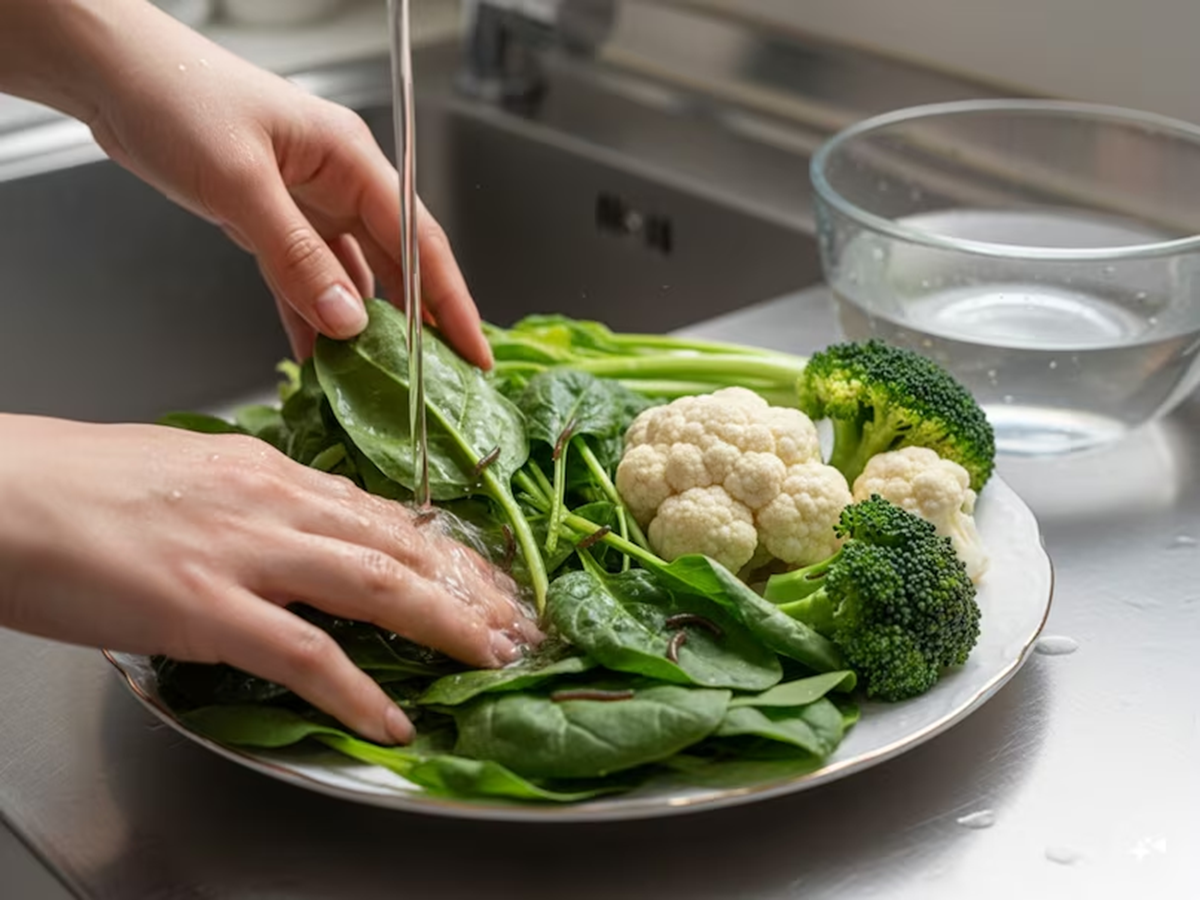
Avoid self-medication if symptoms arise: In cases of neurocysticercosis, symptoms can vary depending on the location and number of cysts. These may include seizures, headaches, and other neurological issues. However, a headache alone does not confirm the presence of this condition. If you experience a seizure for the first time, sudden weakness, or any other serious health concern, seek medical attention immediately.
PC Social Media