LIFESTYLE
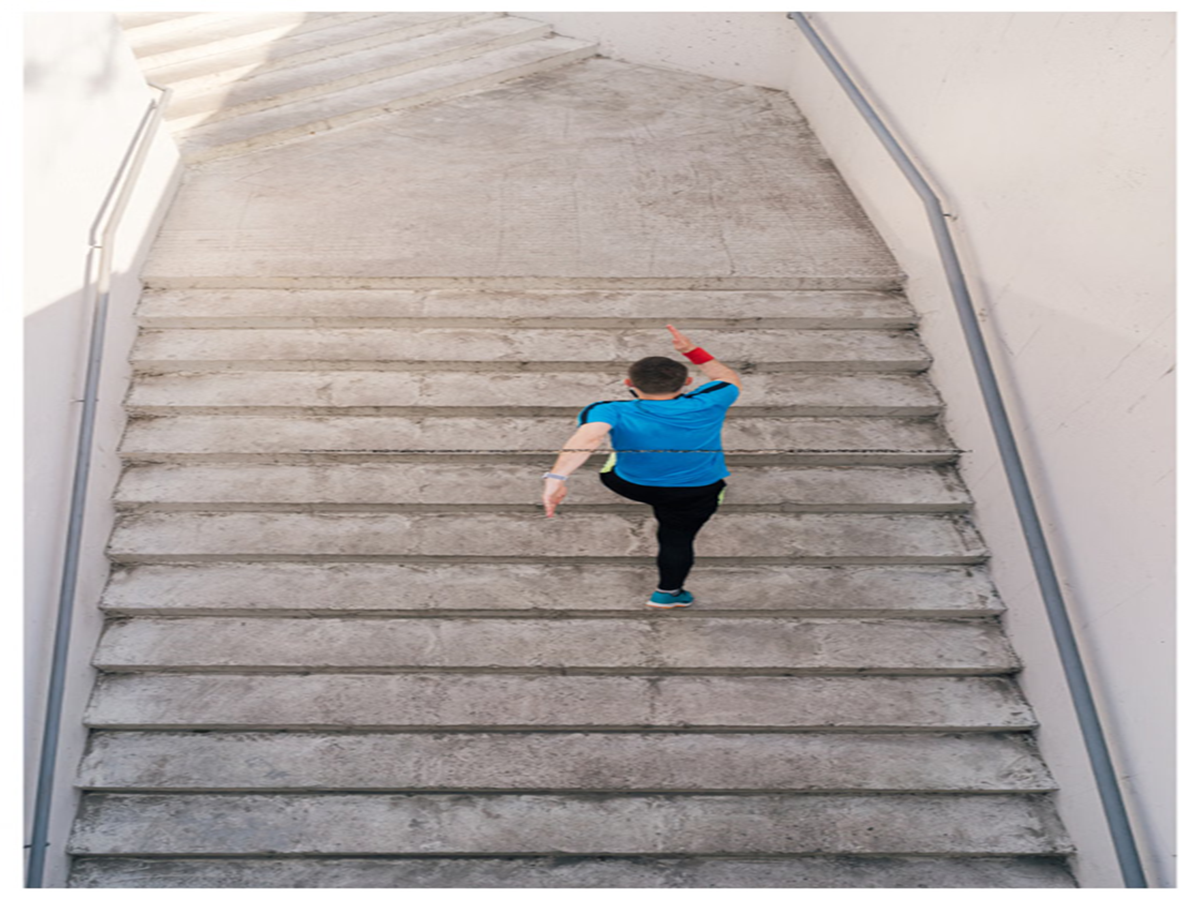
Health Risk: Do you get out of breath as soon as you climb stairs? Find out here when you should be concerned..
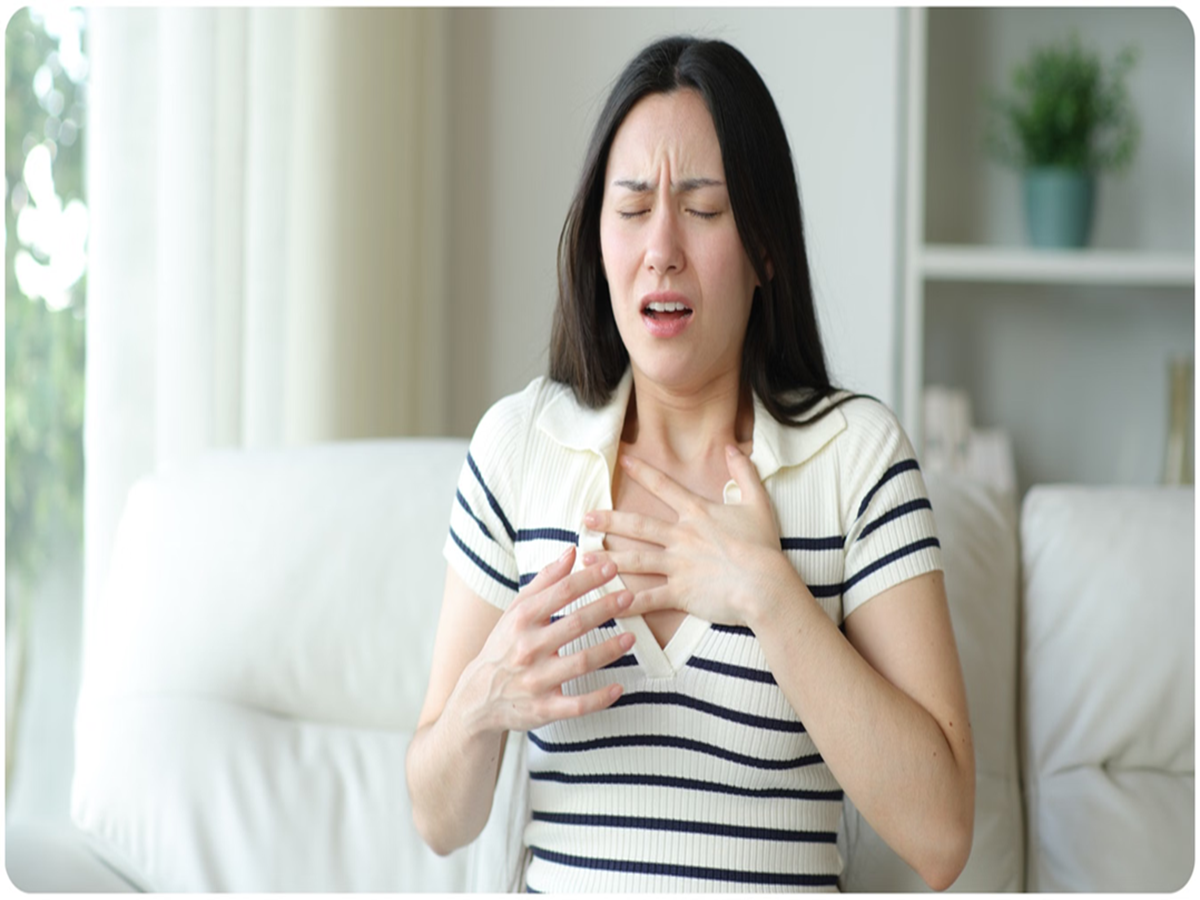
Have you noticed yourself getting out of breath after climbing just a few stairs? Do you find it difficult to handle even minor physical exertion? If this happens repeatedly, take note and consult a doctor in time.
Shortness of breath is a signal from the body that it is not receiving enough oxygen. This issue can often arise when the heart or lungs are not functioning optimally. Climbing stairs requires the body to use more oxygen and energy; consequently, if the heart or lungs are not working correctly, or if there is a lack of blood (anemia), one may experience rapid breathlessness.
While shortness of breath does not always indicate a serious illness, you should be cautious if it is accompanied by symptoms like chest pain, dizziness, or fainting.
**Shortness of Breath While Climbing Stairs**
Doctors advise that if you used to climb stairs easily but now find yourself out of breath with even minimal exertion, it is important to identify the underlying cause.
Climbing stairs is a moderate-intensity physical activity. During this process, your muscles require increased energy and oxygen.
The heart pumps blood faster, and the lungs work more rapidly to take in more oxygen.
In a healthy body, breathing returns to normal within a few minutes.
However, if there are issues with the heart, lungs, or blood circulation, even slight exertion can lead to shortness of breath.
If this problem recurs frequently or worsens over time, it should not be ignored.
**When Should You Be Concerned?**
Not every instance of breathlessness indicates an illness. Common causes include obesity, climbing stairs too quickly, stress or anxiety, smoking, and aging. However, if the problem occurs frequently, it requires serious attention.
Shortness of breath is a common symptom associated with conditions such as asthma, COPD, heart disease, anemia, and various lung disorders. In some cases, thyroid dysfunction can also be a cause.
If shortness of breath is accompanied by chest pain, a sensation of pressure, fainting, or dizziness, and breathing does not return to normal even after resting, it could be a medical emergency. Immediate medical attention should be sought in such cases.

What precautions are necessary?
If you experience shortness of breath while climbing stairs, avoid sudden, strenuous physical exertion.
Regular walking, light exercise, and breathing exercises can help alleviate common issues.
Maintaining a healthy weight, quitting smoking, and consuming a balanced diet are considered beneficial.
However, individuals with pre-existing asthma or heart disease should take their prescribed medications regularly.
PC Social Media