LIFESTYLE
Health Talk: Why should you eat these Himalayan grains in winter? Discover their incredible benefits..
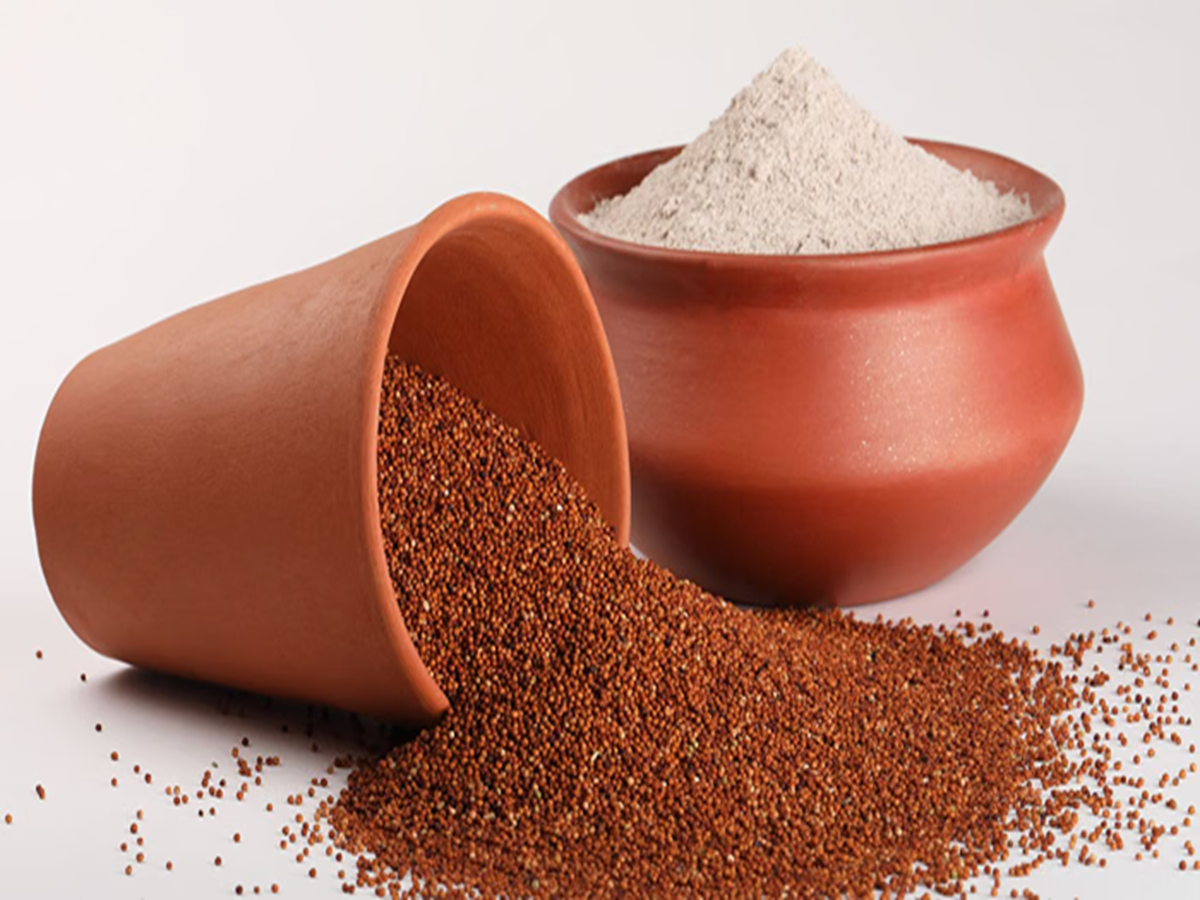
As the winter season arrives, the body requires a diet that provides essential nutrition while maintaining overall health. In this context, Ragi (also known as Mandua)—a traditional grain grown in the mountains—is considered highly beneficial. Often referred to as a "superfood," Ragi is packed with essential nutrients such as calcium, iron, fiber, and protein. It helps in keeping bones healthy, improving digestion, and providing the body with necessary energy.
However, since nutritional needs vary from person to person, some individuals should exercise caution when consuming it. Let’s explore the benefits of eating Ragi during winter, the best ways to consume it, and who should avoid it.
Key Benefits of Consuming Ragi
1. Helps Strengthen Bones
Ragi is an excellent source of calcium, which is vital for maintaining healthy bones and teeth. Including it in the diet can be particularly beneficial for children, women, and the elderly.
2. Promotes a Healthy Digestive System
Ragi contains fiber, which aids in improving the digestive process and helps prevent constipation. Fiber is also essential for gut health.
3. Provides Energy to the Body
The carbohydrates present in Ragi supply energy to the body. Consuming Ragi in the form of porridge (daliya) or flatbread (roti) for breakfast can help keep you feeling full for a longer period.
4. Assists in Controlling Blood Sugar Levels
The fiber in Ragi can help slow down the digestion of food and the absorption of glucose. However, individuals with diabetes should consume it in limited quantities as part of a balanced diet. Please note that Ragi is not a substitute for diabetes medication.
5. Aids in Weight Management
The fiber in Ragi helps keep the stomach feeling full for longer. This can be helpful in curbing frequent hunger pangs and preventing unnecessary snacking.
6. Helps in addressing iron deficiency
Ragi contains iron, which is essential for the production of hemoglobin in the body. Consuming it alongside foods rich in Vitamin C can help improve iron absorption.
5 ways to include Ragi in your diet during winter
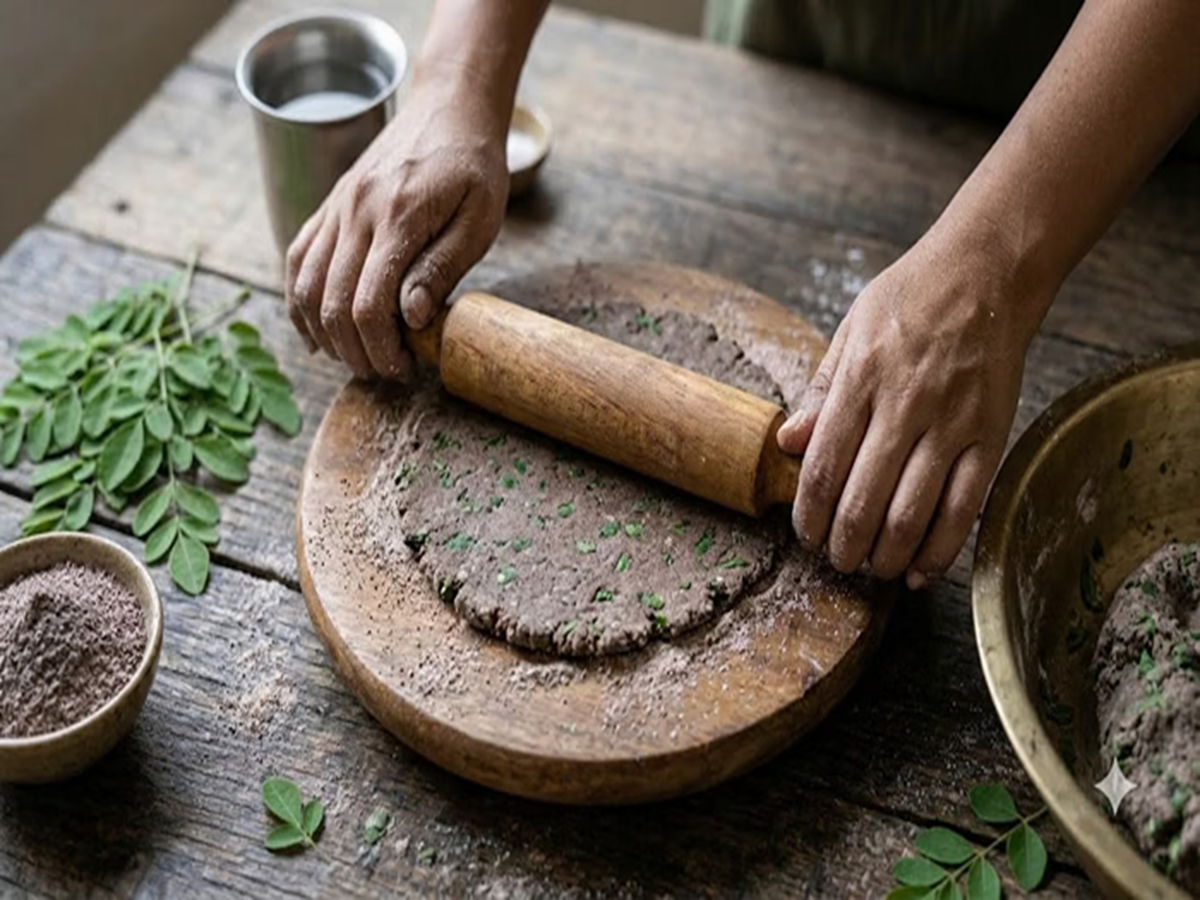
In UP and Bihar, people enjoy this flatbread (roti) smeared with ghee during the winter—give it a try yourself!
Ragi Roti: Enjoy rotis made from Ragi flour with vegetables or lentils (dal).
Ragi Porridge (Daliya): You can prepare a nutritious porridge by cooking Ragi flour in milk or water.
Ragi Chilla: Create a delicious savory pancake (chilla) by mixing vegetables into Ragi flour.
Ragi Dosa: A Ragi dosa can be an excellent option for breakfast.
Ragi Khichdi: You can make a nutritious khichdi by combining Ragi with lentils and vegetables.

Who should exercise caution when consuming Ragi?
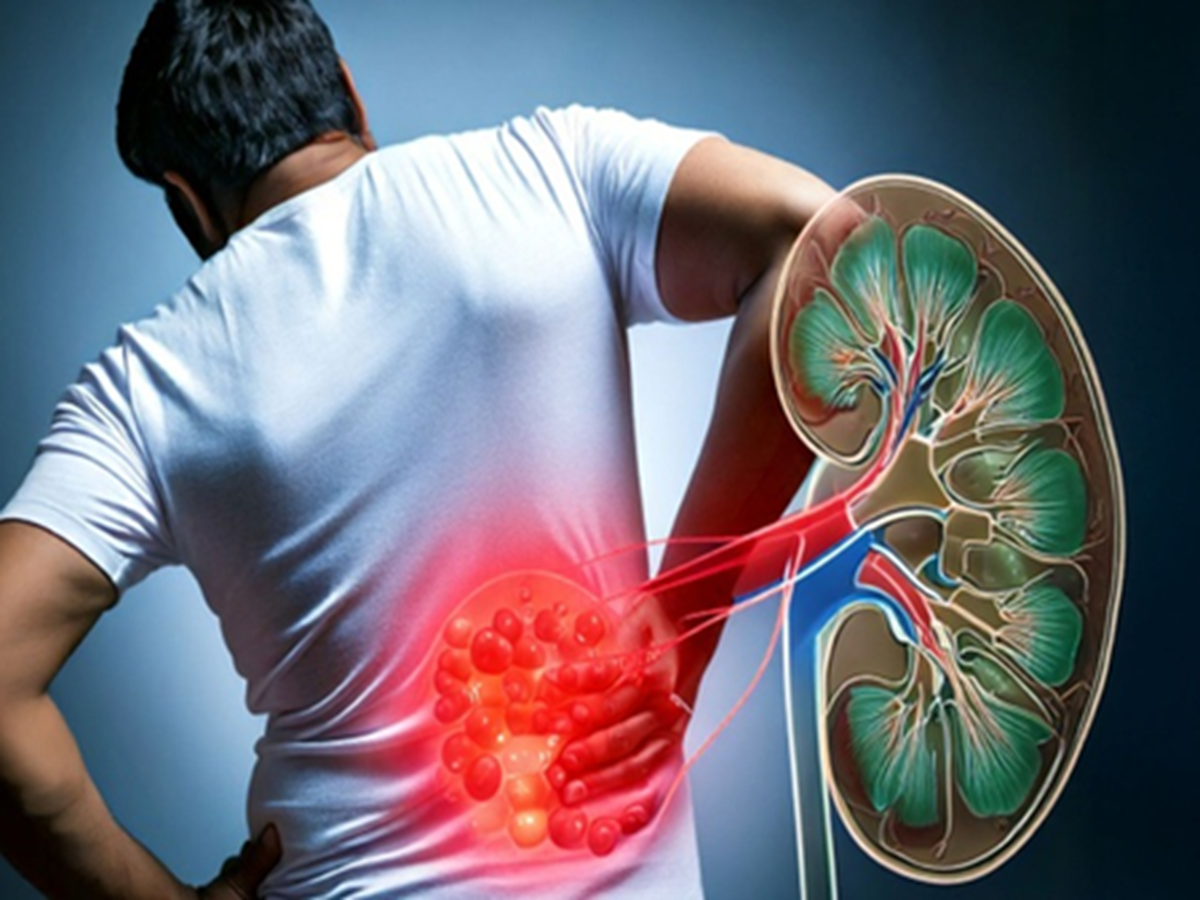
People with kidney disease
People with kidney stones
People with digestive issues
Individuals with diabetes
PC Social Media