
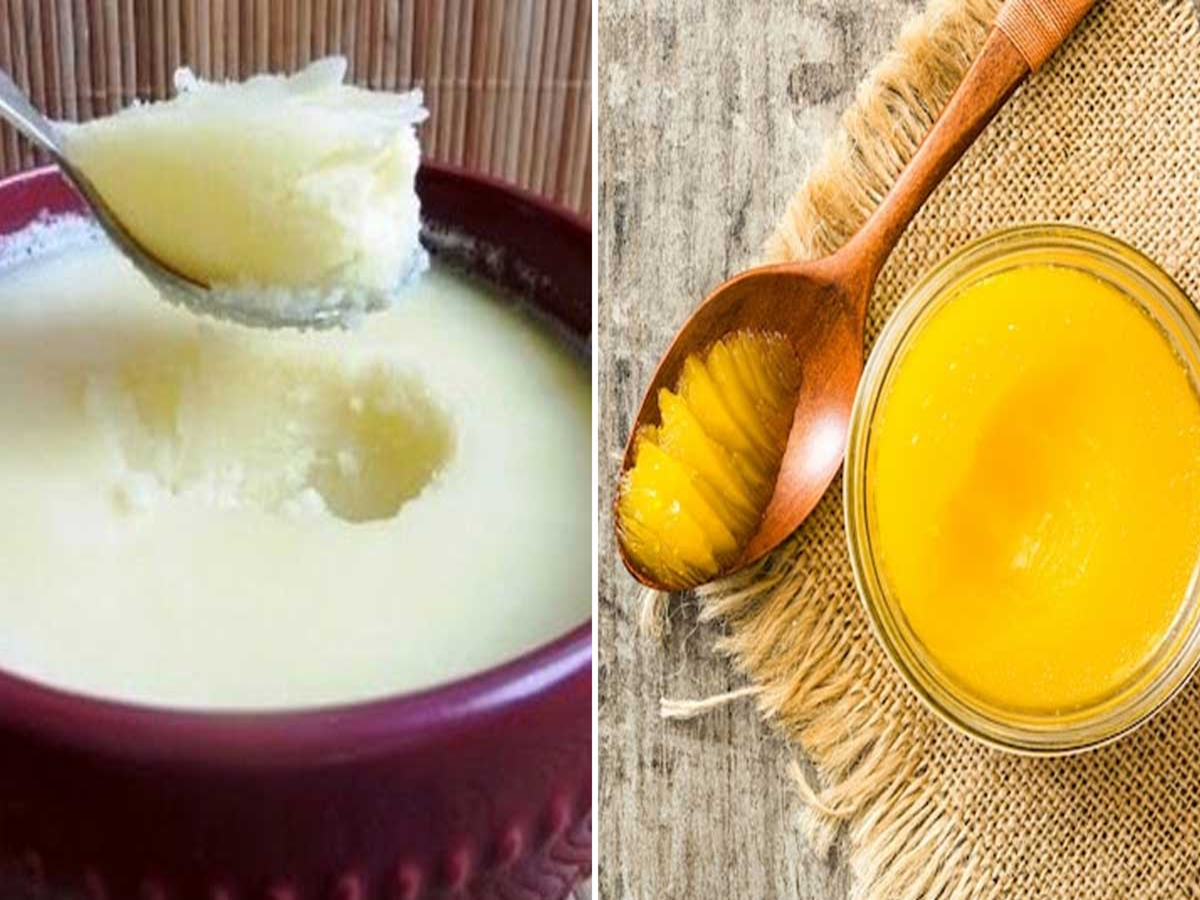
Cow Ghee vs. Buffalo Ghee: Ghee has long been a staple in Indian cuisine, but when it comes to health, the question often arises: is cow ghee better, or buffalo ghee? Both are derived from milk and have a high fat content. Therefore, simply focusing on whether the ghee comes from a cow or a buffalo is not enough; your overall diet, body weight, daily physical activity, and health status are also important factors.

According to the WHO, ghee contains saturated fat, and it is better to consume it in limited quantities rather than in large amounts. Furthermore, it is recommended to prioritize oils containing unsaturated fats in your diet.
What is the difference between cow ghee and buffalo ghee?
While there may be nutritional differences between cow ghee and buffalo ghee, both are primarily sources of fat. Therefore, it would be inaccurate to claim that one type is universally healthier for everyone. If your diet already includes significant amounts of milk, paneer, butter, sweets, or other high-fat foods, you should be particularly mindful of your ghee intake. What matters most is the total amount of saturated fat you consume as part of your overall diet.
Which ghee should you choose for your health?
If you are healthy and enjoy ghee, you can consume a small amount of high-quality cow or buffalo ghee. There is no need to consume large quantities of either, even in the name of health.
According to WHO guidelines, ghee is a source of saturated fat. It is considered better to limit saturated fat intake and replace it with sources of unsaturated fat.
Therefore, rather than relying on ghee as the sole source of fat in your daily diet, it is better to maintain a balance by including a variety of fat-containing foods.
How much ghee is appropriate to consume?
The right amount of ghee varies from person to person. It depends on your total caloric requirements and your overall diet. If you are trying to lose weight, have a low level of physical activity, or your diet is already high in fat, it is wise to limit your intake of ghee. Furthermore, if an individual has high cholesterol, heart disease, or other health issues, the amount of ghee included in their diet should be determined in consultation with a doctor or a dietitian. The American Heart Association also emphasizes limiting saturated fats and opting for sources of unsaturated fats instead.
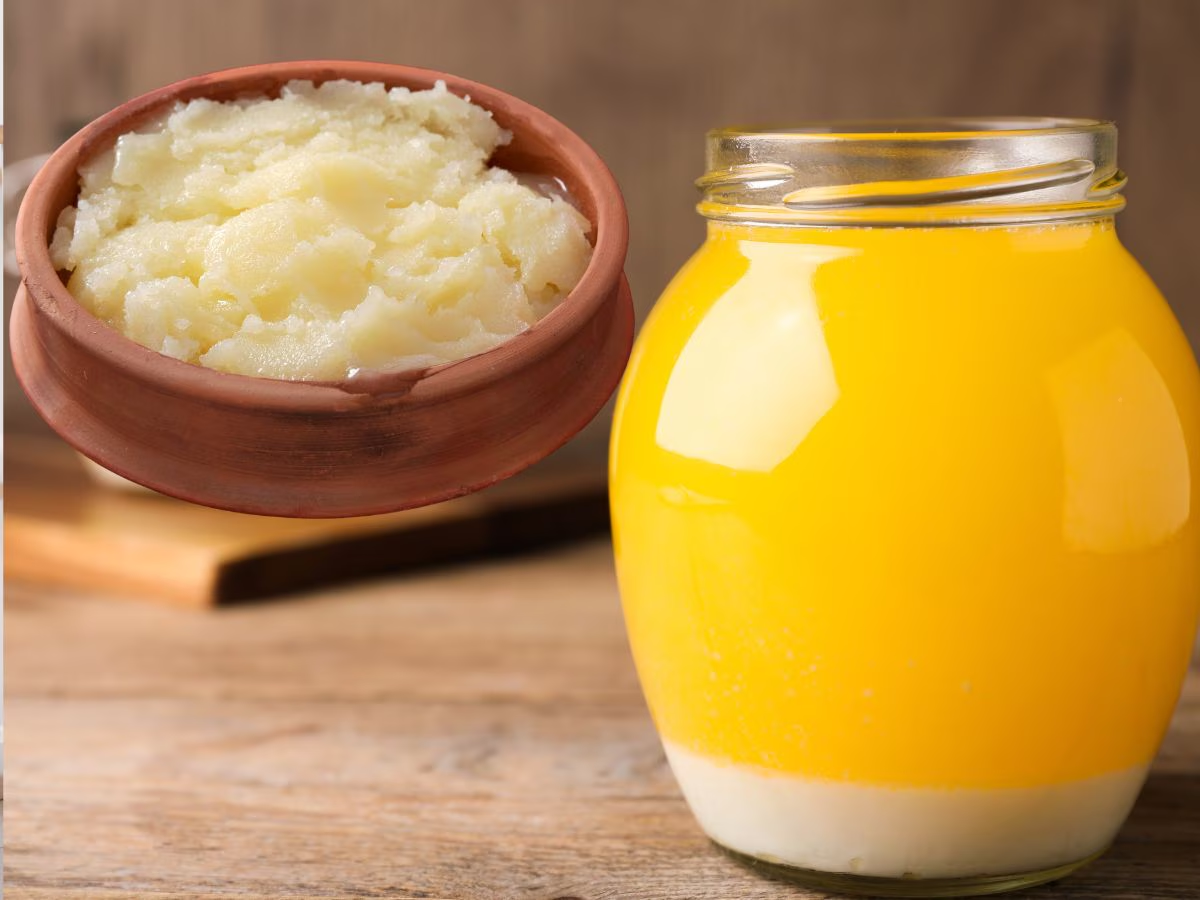
Keep these points in mind when consuming ghee:
It is not advisable to consume large quantities of ghee under the assumption that it is inherently healthy. It is far more important to use only a small amount of ghee—for instance, in rotis, lentils, or vegetables—while ensuring that your diet also includes plenty of vegetables, fruits, pulses, whole grains, nuts, and seeds.
PC Social Media