
LIFESTYLE
Women's Health: If women notice these changes in themselves after the age of 40, they should not ignore them..
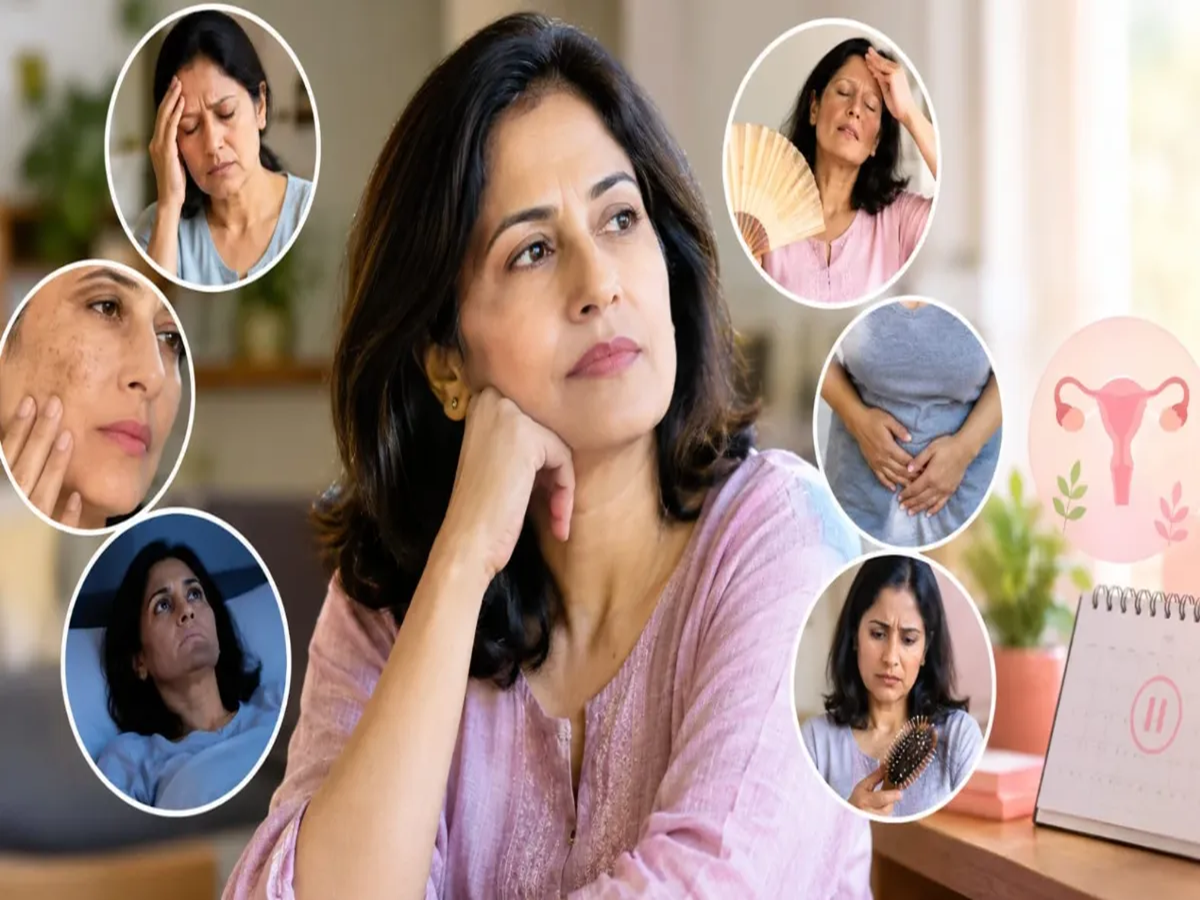
Menopause is a sign of aging in women, the most significant indicator being the absence of menstrual periods for 12 consecutive months. However, this state does not occur suddenly; menopause unfolds in three stages, signaling the decline of a woman's reproductive capacity.
During this transition, the body exhibits various signs—often overlooked by women. Today, we will discuss these signs.
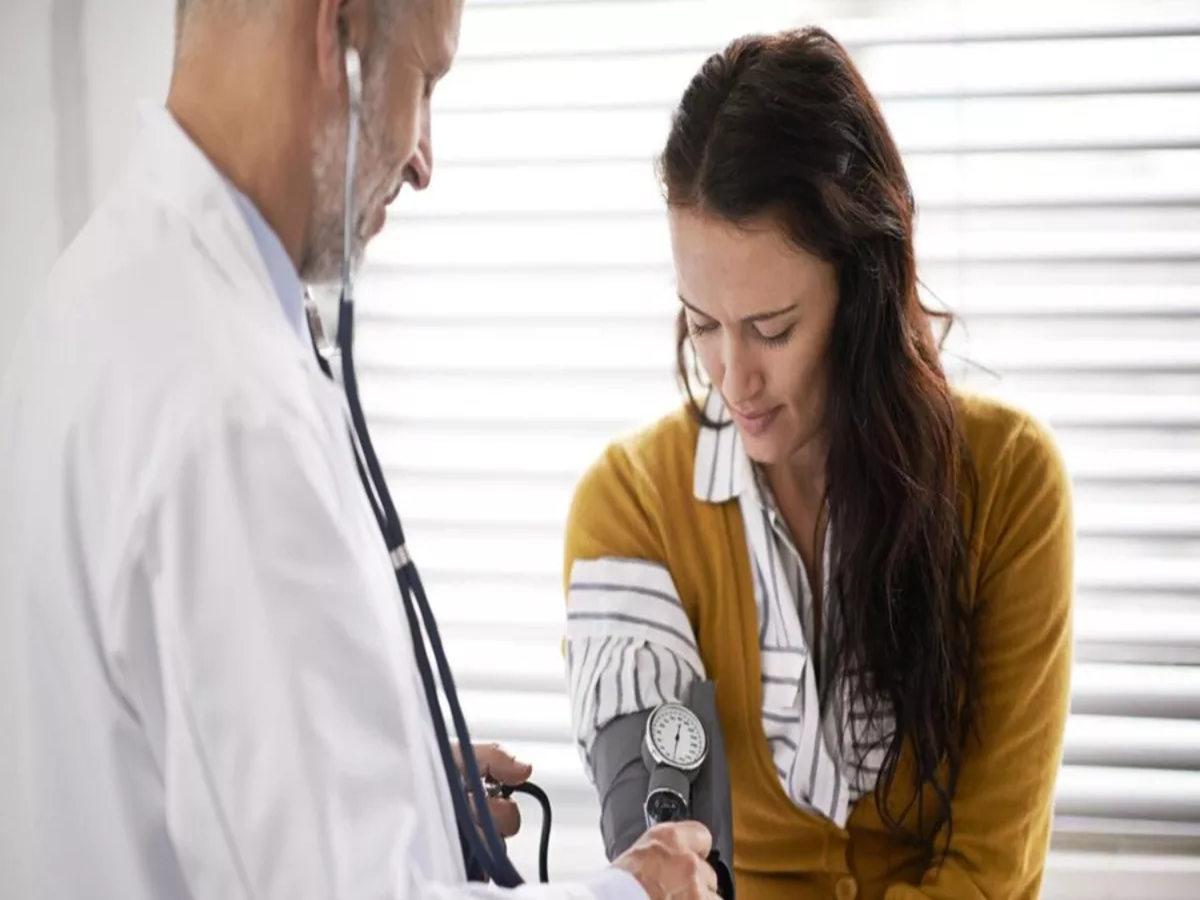
What are the three stages of menopause?
Menopause refers to the permanent cessation of menstrual periods, occurring naturally rather than as a result of surgery or medical treatment. It consists of three stages:
Perimenopause
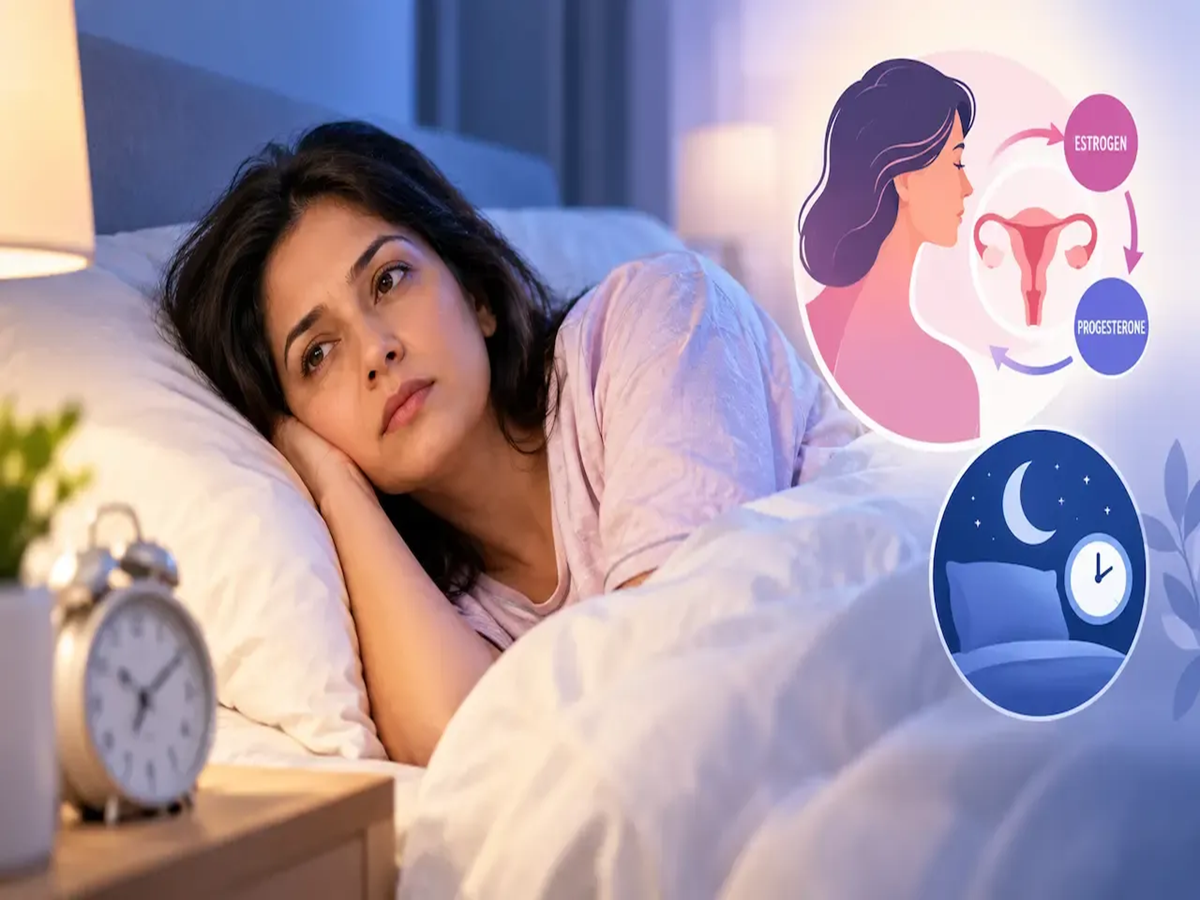
This phase begins at least 8–10 years before menopause, as the ovaries start to reduce their capacity by producing less estrogen. In most cases, this stage begins around the age of 40.
Menopause
Menopause is the point at which menstrual periods stop completely. At this stage, the ovaries no longer release eggs, and estrogen production ceases.
Postmenopause
The phase following menopause, known as postmenopause, lasts for the remainder of a woman's life. Women in this stage are at an increased risk of developing conditions such as osteoporosis and heart disease.
Symptoms of Menopause
Just as there are three stages of menopause, the associated symptoms can also be categorized into different types:
Physical Symptoms
These include hot flashes, night sweats, joint and muscle pain, fatigue, headaches, dryness, sleep disturbances, weight gain, and hair loss.
Mental and Emotional Symptoms
These include mood swings, irritability, anxiety, sadness, difficulty concentrating, and forgetfulness—such as misplacing items or struggling to retain information over time.
Urogenital and Sexual Health-Related Symptoms
Symptoms related to urogenital and sexual health include vaginal dryness, irregular periods, discomfort during intimacy, frequent urination, an increased risk of urinary tract infections (UTIs), and changes in sexual desire.
Women Often Overlook These Symptoms
While most women experience these symptoms, they often attribute them to the natural aging process rather than recognizing them as signs of menopause. It is, therefore, essential for women to prioritize their own health alongside their family and professional responsibilities, ensuring they remain healthy throughout the menopausal transition.
PC Social Media