LIFESTYLE
Health Tips: Deficiency of these nutrients can make you feel colder; what should you do if you feel excessively cold?

Feeling cold in the winter is normal, but have you ever noticed that some people in the same room feel much colder than others? If you feel a chill deep inside even after wearing enough warm clothes, it might not just be the effect of the outside temperature, but a sign of nutrient deficiencies in your body.
Our body uses a complex "thermoregulation" system to maintain its internal temperature, which requires specific vitamins and minerals. When the body is deficient in these nutrients, blood circulation is affected, and metabolism slows down.
This prevents the body from generating enough heat, and the person feels colder than usual. This condition can often be associated with anemia or thyroid problems. Therefore, instead of relying solely on heaters to combat the biting cold, it's essential to improve your diet and activate your body's internal heating system.
Iron and Vitamin B12 Deficiency
The biggest reason for feeling excessively cold is iron deficiency. Iron makes hemoglobin, which carries oxygen to the cells, and its deficiency makes the body "cold sensitive." In addition, a deficiency of vitamin B12 affects the nerves, causing numbness and coldness in the hands and feet. Magnesium and folate also play a crucial role in muscle contraction and energy production necessary to keep the body warm.
What to do immediately if you feel very cold?
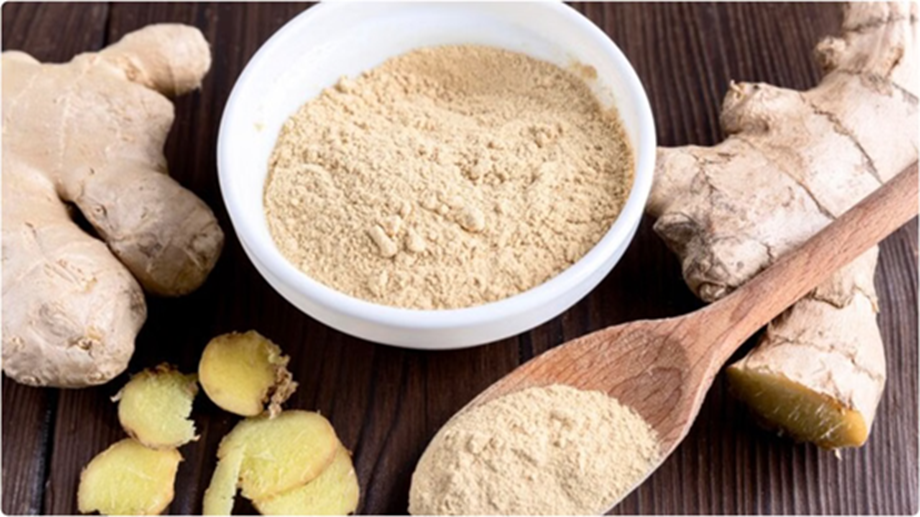
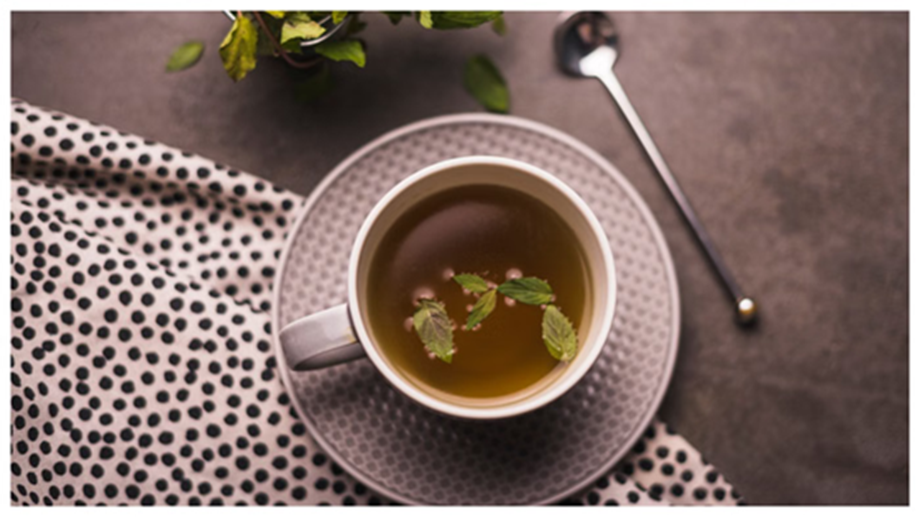
If you suddenly feel very cold, first do some light exercise or stretching. Physical activity increases blood circulation, which immediately warms the body. Also, immediately drink a glass of lukewarm water or ginger tea. Avoid staying on an empty stomach because the body naturally generates internal heat when digesting food. Make these important dietary changes:
For internal warmth, include warming foods in your diet such as jaggery, peanuts, dates, and millet. Increase your consumption of garlic and ginger, as they dilate blood vessels and improve blood flow. If the problem persists despite these dietary changes, consult a doctor and get a blood test to determine your exact nutritional status.
Preventive measures:
Do not ignore the problem of feeling excessively cold, as it can also be a sign of a weakened immune system. Get enough sleep at night and reduce stress, as mental fatigue also reduces the body's ability to tolerate cold temperatures. Through a balanced diet rich in nutrients and regular yoga, you can strengthen your body's natural heating mechanisms, allowing you to withstand extreme cold without falling ill.
PC Social Media