
LIFESTYLE
Health Tips: Does eating jaggery in the summer increase body heat? A doctor clears up this confusion..

Jaggery is a natural source of sweetness that has always been considered a boon for our health. But as summer approaches, the question often arises: is it safe to eat jaggery during this season? Let's learn more about this from Dr. Shrey Srivastava, Senior Consultant of Internal Medicine at Sharda Hospital.
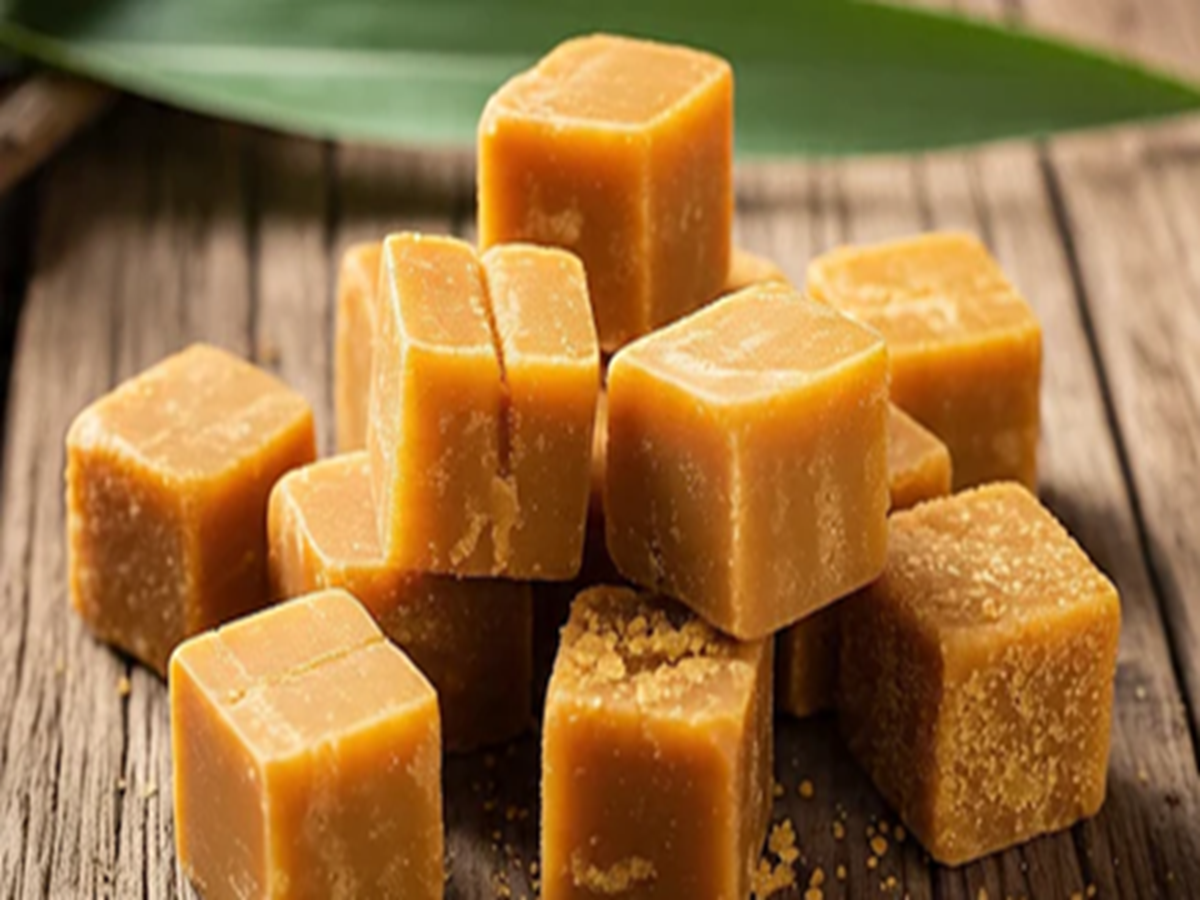
The Unparalleled Benefits of Jaggery
Jaggery is not only sweet but also a treasure trove of nutrients. Consuming it in moderation provides many excellent benefits to the body:
Rich in Nutrients: Jaggery contains iron, calcium, magnesium, and many other essential minerals.
Energy and Improved Digestion: It provides instant energy and improves our digestive system.
Body Detox: Jaggery is very helpful in purifying the blood and removing harmful substances from the body.
Why should precautions be taken during summer?
Although jaggery is very good for health, consuming it in excess during the summer season can cause problems:
Increases body heat: Eating jaggery in excess can increase the feeling of heat within the body.
People who should avoid it: People who frequently suffer from acidity, nosebleeds, or who naturally feel very hot should avoid eating too much jaggery daily during the summer.
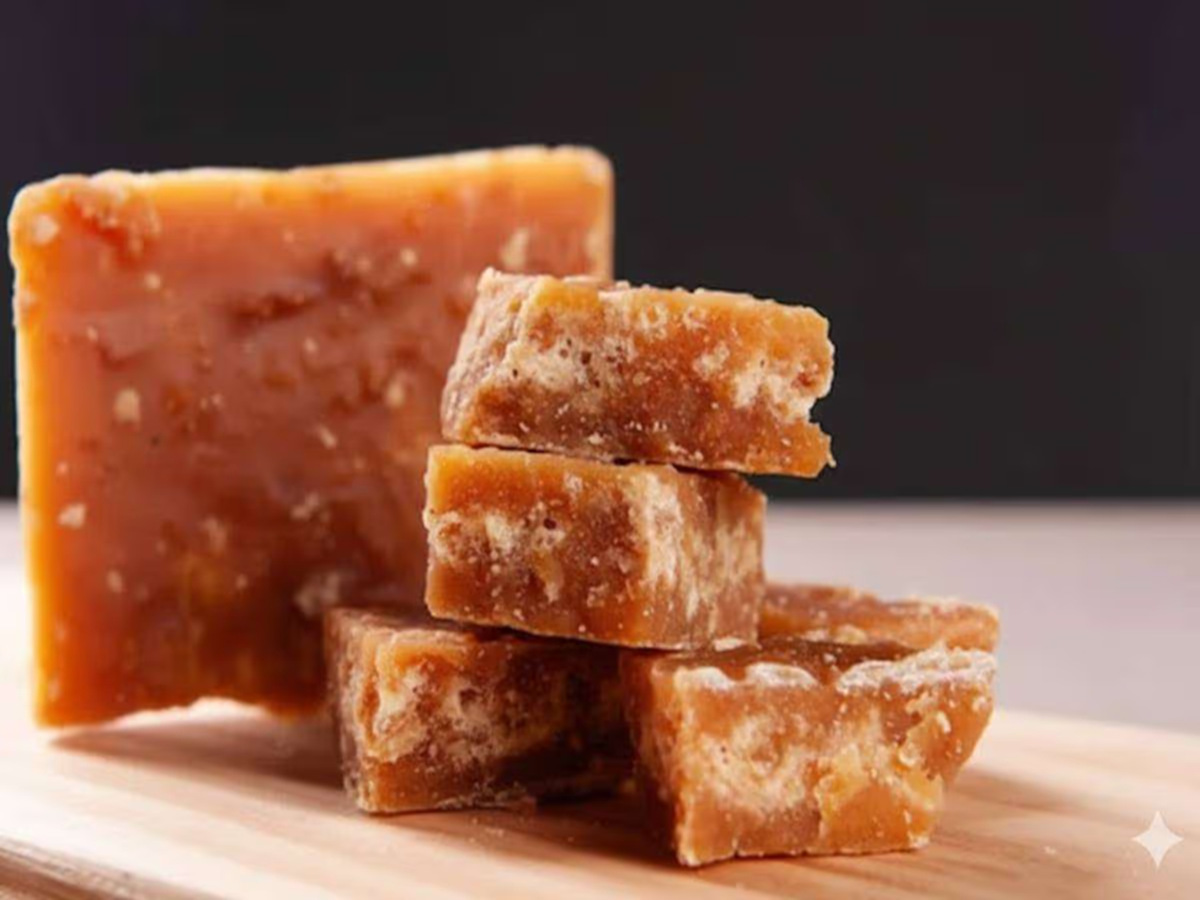
The right way to eat jaggery in the summer
If you enjoy eating jaggery and want to reap its benefits even in the summer, follow these simple tips:
How much to eat: Consume only small amounts, 5 to 10 grams, throughout the day.
When to eat: The best time to eat jaggery in the summer is considered to be morning or afternoon.
What to eat: To balance the heat of jaggery, it is best to always consume it with cooling foods like water, buttermilk, or fennel.
Simply put, eating jaggery in the summer is completely harmless. You just need to be careful to consume it in a balanced and limited amount.
PC Social Media