LIFESTYLE
Health Tips: If you are experiencing mild chest pain along with these four symptoms, it could be a sign of high cholesterol..

High Cholesterol Signs: High cholesterol is a serious problem often called a 'silent killer' because it doesn't show any obvious symptoms in the early stages. However, when cholesterol levels become very high and fat begins to accumulate in the arteries, the body starts to give some subtle warning signs. One of these warnings is mild chest pain or discomfort.
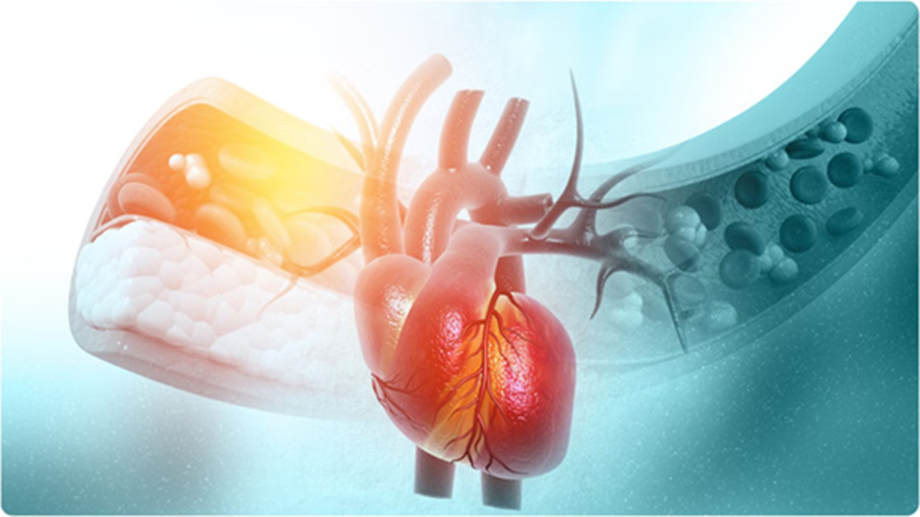
This pain occurs when the heart muscle doesn't receive enough oxygenated blood because of blockages caused by fat deposits in the arteries. This is called angina. If you are experiencing mild chest pain along with some other physical symptoms, it could be a direct indication that the amount of cholesterol in your blood has crossed the danger mark.
Let's learn about four such symptoms in this article that should not be ignored, as this condition rapidly increases the risk of heart attack and stroke. Timely identification and lifestyle changes can avert this serious threat.
Numbness in Hands and Feet
High cholesterol causes fat to accumulate in the blood vessels, slowing down blood circulation. When blood flow is reduced in the small arteries of the hands and feet, they don't receive enough oxygen. This can cause numbness, tingling, or cramping in the hands and feet, especially at night. This is often considered a sign of peripheral artery disease, which is directly linked to cholesterol buildup.
Yellow Deposits Around the Eyes
When cholesterol levels become very high, deposits of it begin to appear around the eyes. Slight yellowish bumps or nodules form on the upper or lower eyelids, which are called xanthelasma. This is a clear physical sign of high cholesterol that a dermatologist or doctor can immediately recognize.
Fatigue and Shortness of Breath
Poor blood circulation directly results in fatigue. When there is a blockage in the arteries, the heart has to work harder to pump blood to the body's organs. This extra effort causes the person to feel constant fatigue and weakness. In addition, they may experience shortness of breath when walking briskly or climbing stairs.
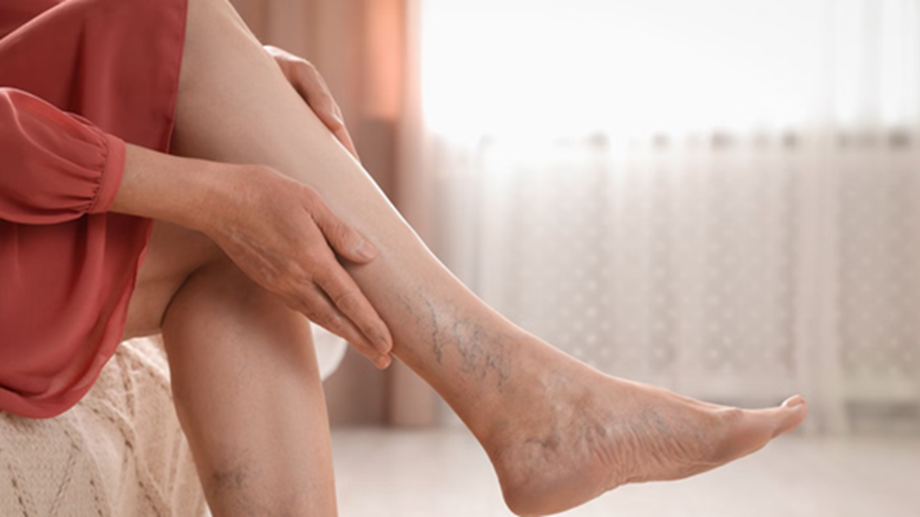
Leg pain or skin changes
Prolonged poor blood flow can affect the legs. The skin on the legs may become shiny, thin, or bluish. In men, this condition can also cause severe leg pain (which subsides with rest) or thickening of the toenails.
PC Social Media