LIFESTYLE
Health Tips: Troubled by thyroid issues? Try these 5 practices—ranging from Bridge Pose to Ujjayi Pranayama—for relief..
Nowadays, thyroid-related issues are on the rise due to stress, disrupted daily routines, and hormonal changes. The thyroid plays a crucial role in the body's metabolism, energy levels, and hormonal balance. Alongside medication and medical advice, incorporating yoga and *pranayama* (breathing exercises) into your daily routine can be beneficial. Pooja, a yoga instructor at Mahadevan Yoga Studio, suggests some simple yoga practices that help balance the body and breath to manage thyroid-related problems. She notes that regular practice can help relax the body and reduce stress.
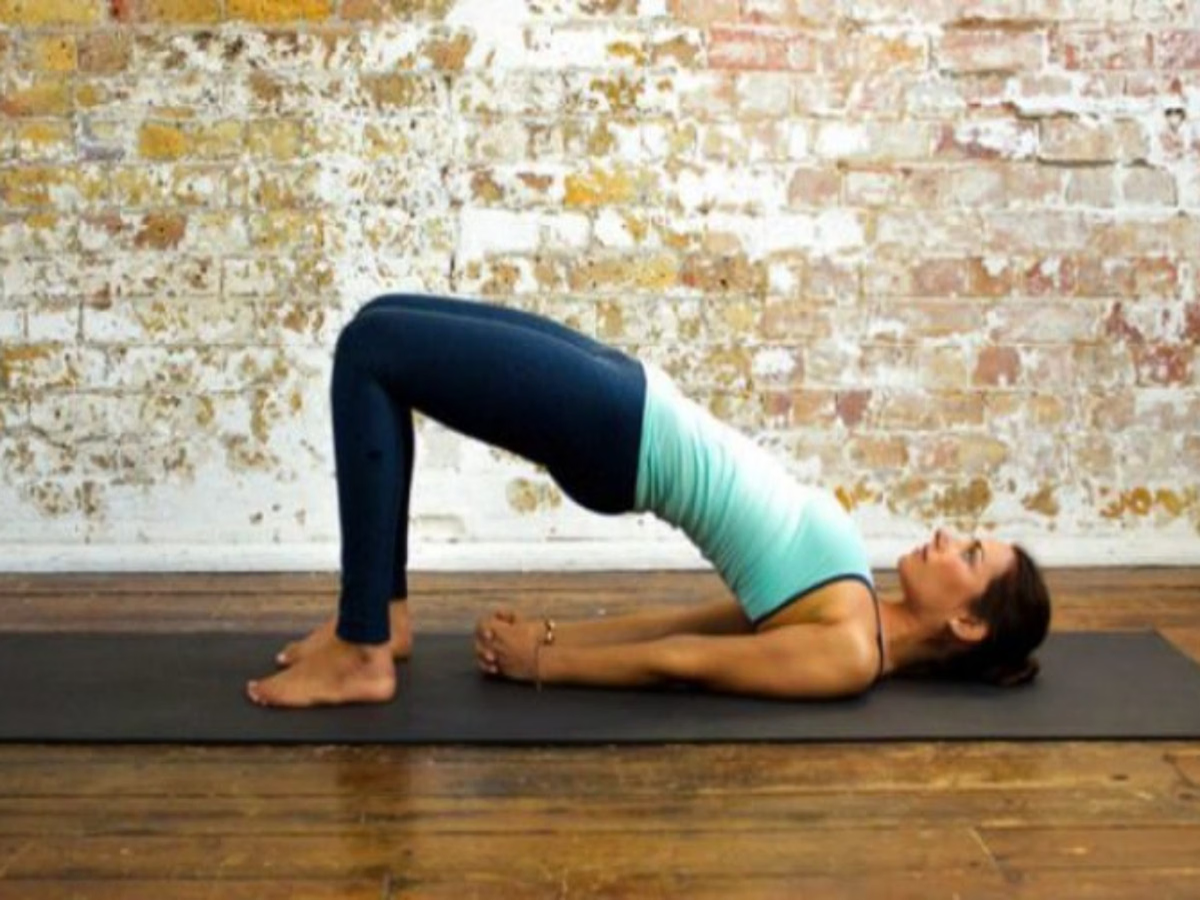
**Start with the Bridge Pose (*Setu Bandhasana*)**
Begin by lying on your back on a yoga mat. Bend your knees, place your feet flat on the ground, and hold your ankles with your hands. Slowly lift your hips and chest upwards. You may feel a gentle stretch around your neck and throat in this position. Hold the pose for 10 to 20 seconds while focusing on your breathing.
**Move your legs behind your head in the Plough Pose (*Halasana*)**
After the Bridge Pose, slowly move your legs back over your head and, if possible, touch your toes to the ground. This is known as *Halasana* (Plough Pose). Do not rush into this pose and hold it only according to your comfort level. According to the yoga instructor, this pose can be practiced for about 20 to 30 seconds.
**Stretch the throat and chest with the Camel Pose (*Ustrasana*)**
Next, perform *Ustrasana*, or the Camel Pose. Keep a slight gap between your knees and slowly reach your hands back to hold your heels. Arch your body backward while lifting your chest upwards. Maintain normal breathing throughout and try to hold the pose for 20 to 30 seconds.
**Focus on your breath in the Fish Pose (*Matsyasana*)**
For *Matsyasana* (Fish Pose), lie on your back and relax your body. Then, lift your chest and try to rest the crown of your head (the top part of the head) on the mat. You can place your hands close to your body or extend them upwards. It is recommended to hold this pose for 20 to 30 seconds.
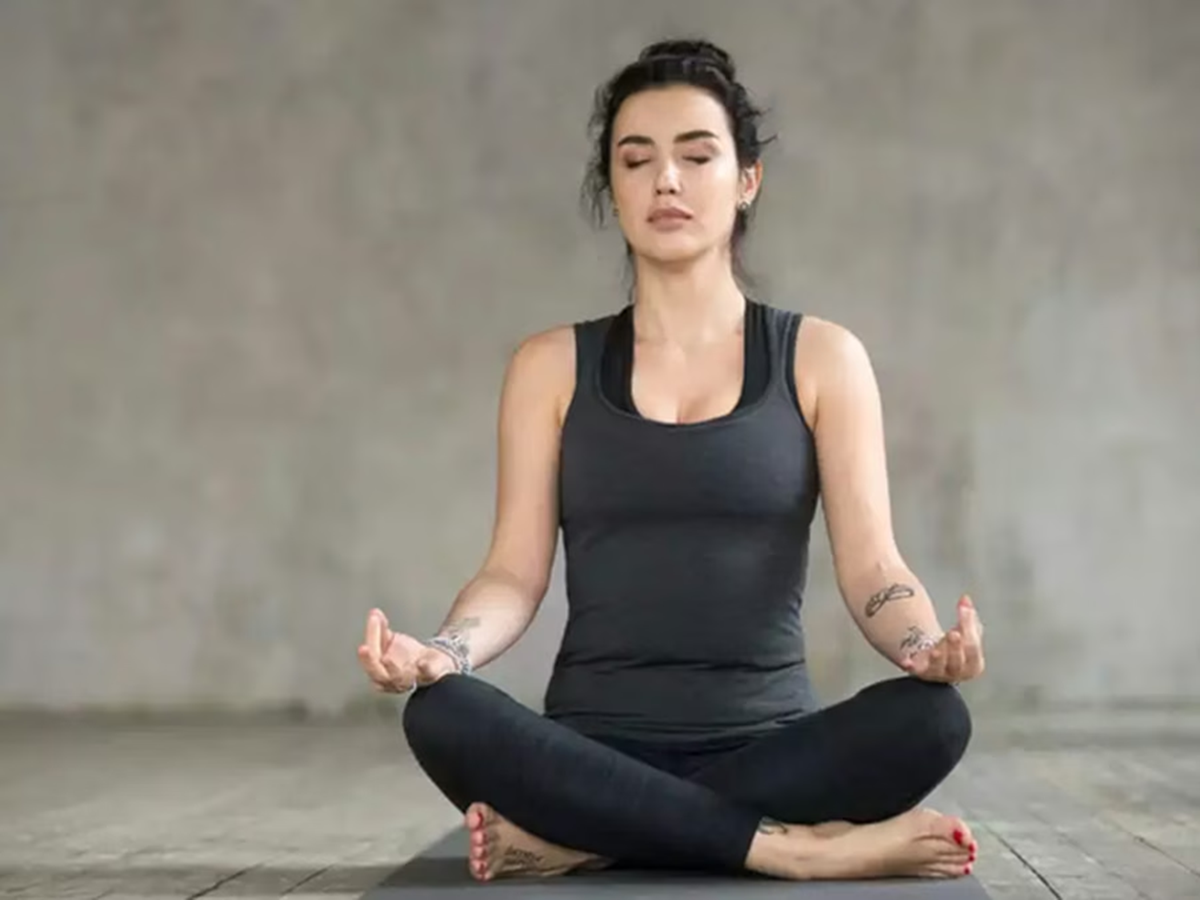
Finally, practice Ujjayi Pranayama.
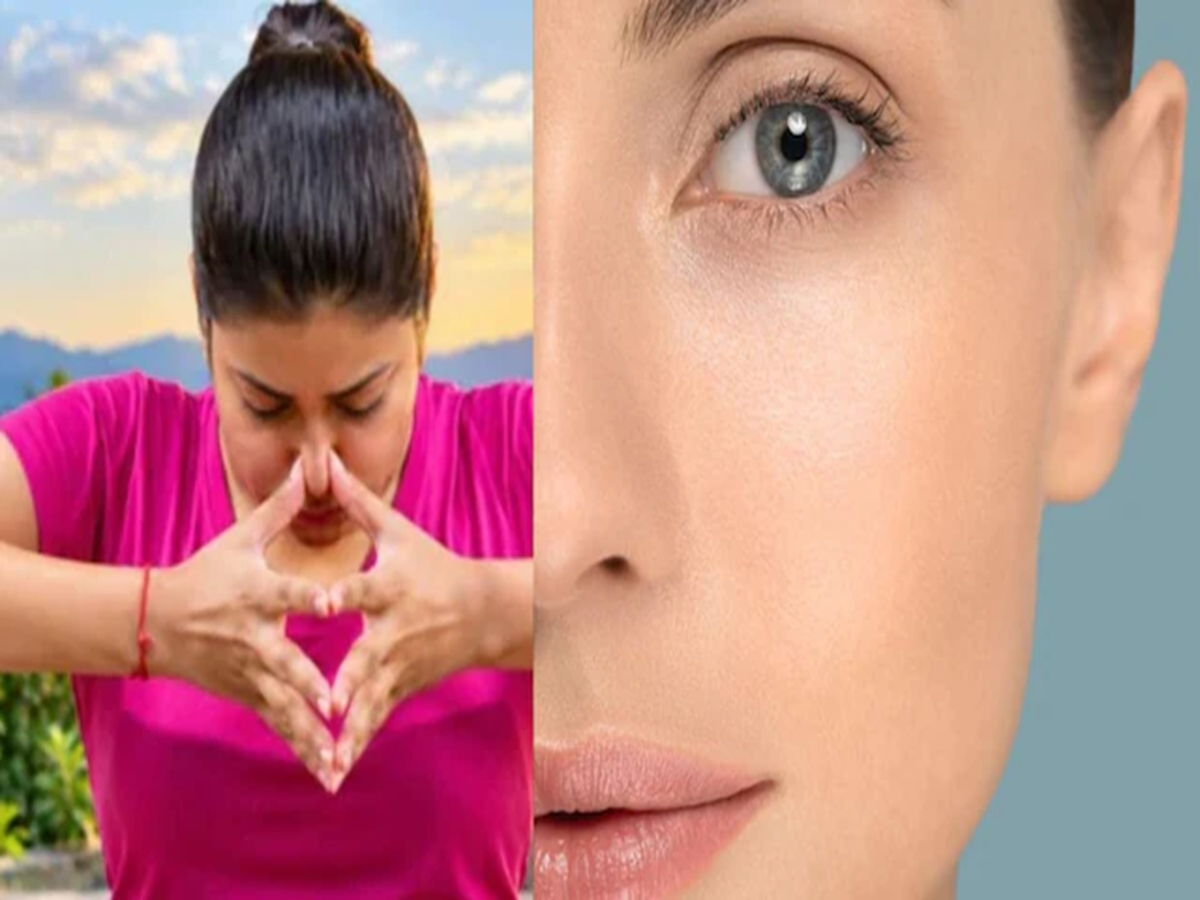
Rest for a while after the asanas. Following this, you can practice Ujjayi Pranayama. In this technique, you inhale and exhale through the nose with your mouth closed, producing a soft 'ha' sound from the throat while focusing on your breath. According to yoga expert Pooja, this practice can help reduce stress and regulate breathing.
PC Social Media