LIFESTYLE
Health Tips: Why is it important to eat 'seasonal food'? Know why seasonal fruits and vegetables are beneficial..

Seasonal food: We all know that seasonal fruits and vegetables not only taste good but are also considered extremely beneficial for our health. 'Seasonal food', that is, foods grown according to the season, are a precious gift given to us by nature. These food products provide a unique balance of nutrition, taste and health that nothing else can match.
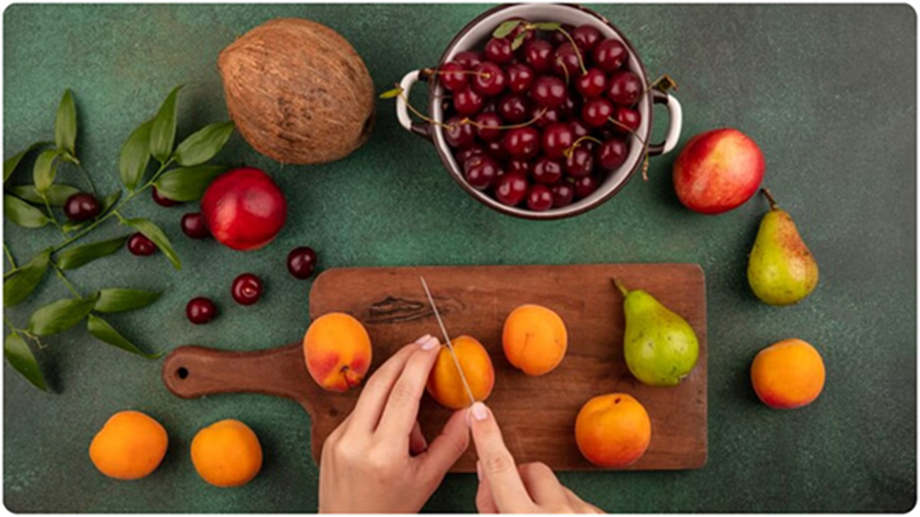
Think, sweet and juicy watermelon in summer, berries in monsoon, and refreshing oranges in winter. All these foods help in keeping our body in tune with that particular season. They are not only fresh but are also rich in nutrients, as they get a full chance to grow in their natural conditions. Let us know in this article why seasonal fruits and vegetables are the best option for us and why including them in our daily diet is so important for our overall health.
Rich in nutrition
When fruits and vegetables grow in their season, they contain the highest amount of nutrients. They are fresh and naturally ripened, which makes them rich in vitamins, minerals, and antioxidants. For example, spinach and carrots in winter are rich in beta-carotene and vitamin A, which are beneficial for the eyes and skin. Cucumbers and watermelon in summer keep the body hydrated. Seasonal foods use less chemicals or preservatives, making them safe for health.
Environment and weather-friendly
Seasonal fruits and vegetables grow in harmony with nature, which helps the body deal with the challenges of the season. Fruits like jamun and pomegranate in monsoon boost immunity, which protects against infections caused by rain. Oranges and amla in winter provide vitamin C, which helps fight colds and coughs. These foods keep the body temperature balanced and prevent seasonal diseases.
Taste and freshness
Seasonal foods are delicious because they ripen at their natural time. Artificial methods and preservatives are used to ripen non-seasonal fruits and vegetables, which reduces both taste and nutrition. For example, fresh berries in monsoon or mangoes in summer taste much better than artificially ripened fruits. Eating fresh and locally grown food not only enhances the taste but also improves digestion.
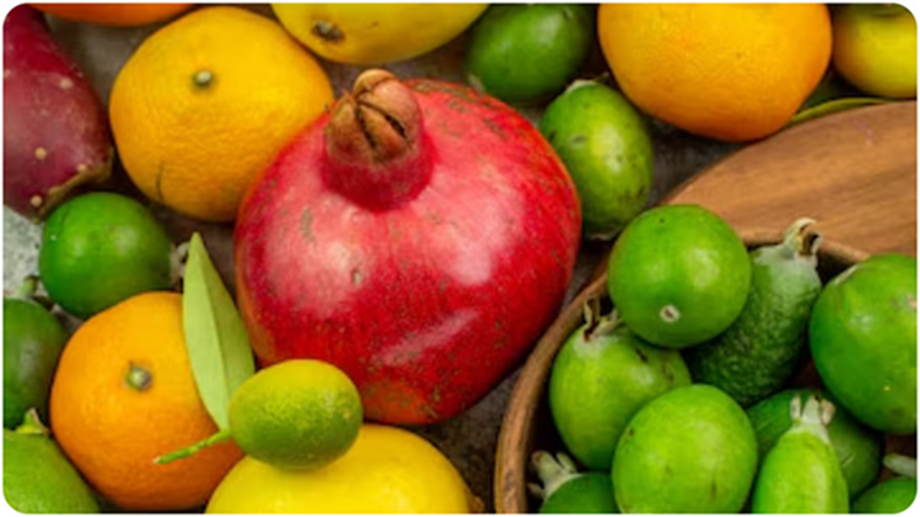
Economical and beneficial for the environment
Seasonal fruits and vegetables are available in abundance locally, which reduces their price. They do not need to be transported or stored for long distances, which reduces the carbon footprint. On the other hand, importing non-seasonal food items or keeping them in cold storage harms the environment.
PC Social media