LIFESTYLE
Healthy Foods: If you want to stay free from illness, include these 5 foods in your daily diet..
How to stay healthy: Your health is determined by what you eat. According to the WHO, one should consume a balanced, adequate, and moderate diet every day. This reduces the risk of diseases such as diabetes, heart disease, stroke, and cancer. The WHO notes that the foundation for healthy eating is laid early on. To protect against infectious diseases, one should incorporate foods rich in antioxidants and those that boost immunity into their daily diet.

According to the WHO, carbohydrates are the primary source of energy for the body. They should account for approximately 45 to 75 percent of one's total daily energy intake. However, it is important to choose carbohydrates from the right sources; whole grains are the best option. This includes coarse grains (millets) such as maize, pearl millet (bajra), finger millet (ragi), and brown rice. One should avoid sugar as a source of carbohydrates. The more your carbohydrate intake comes from whole, coarse grains, the greater the health benefits.
The WHO recommends that 10 to 15 percent of one's daily energy intake should come from protein. This translates to a daily requirement of 50 to 75 grams of protein for an adult. Prioritize natural sources of protein, such as milk, yogurt, lentils, beans, soybeans, eggs, fish, and chicken. Additionally, you should include dry fruits and seeds in your daily diet, as they are also good sources of protein.
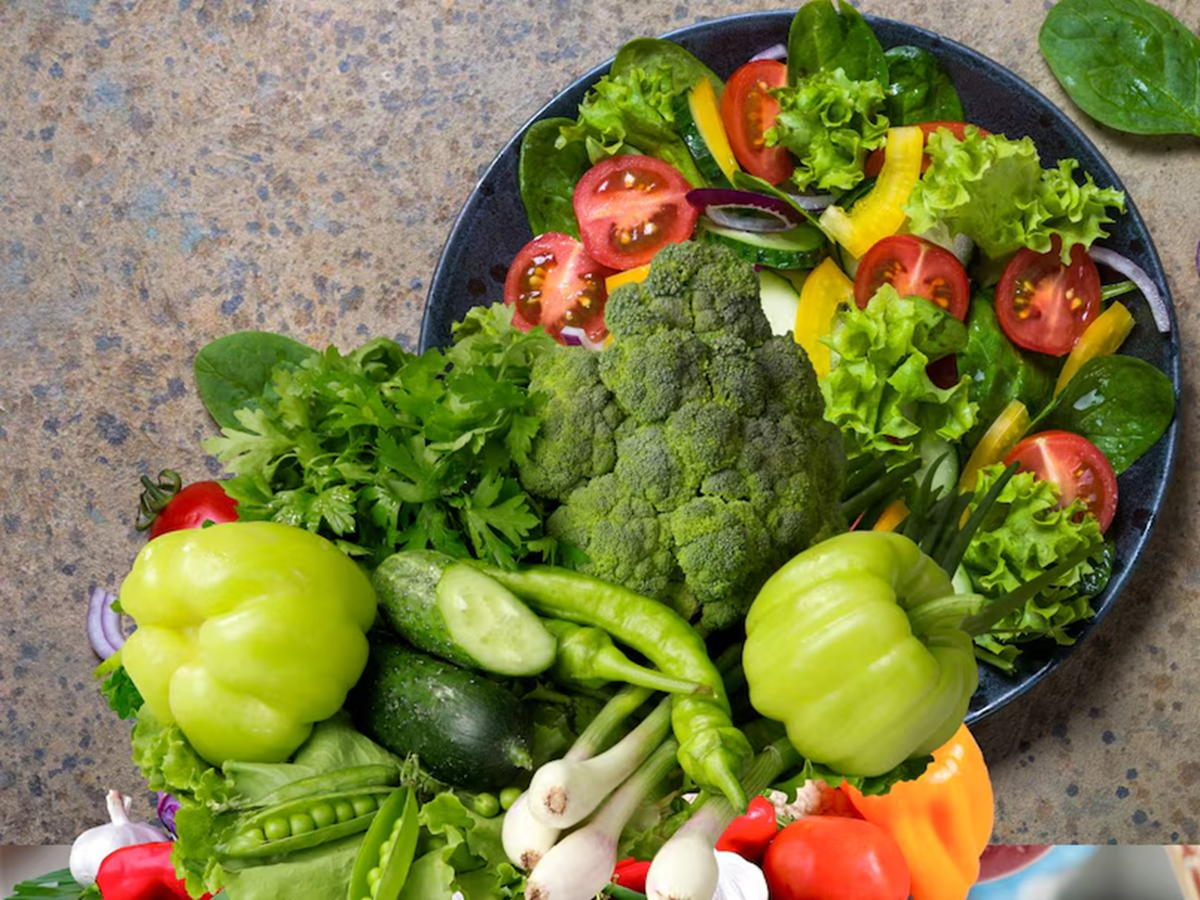
To protect the body against infectious diseases, you should consume at least three different types of vegetables daily. These should vary in color—for example, if you have green okra, you might also include purple eggplant and red bell peppers. Red bell peppers, in particular, possess anti-cancer properties. Ideally, half of your plate should consist of vegetables. Try to vary your vegetable choices from day to day. Green vegetables are helpful in reducing the risk of even the most serious or intractable diseases. Cruciferous vegetables, such as cauliflower and cabbage, help lower the risk of cancer.
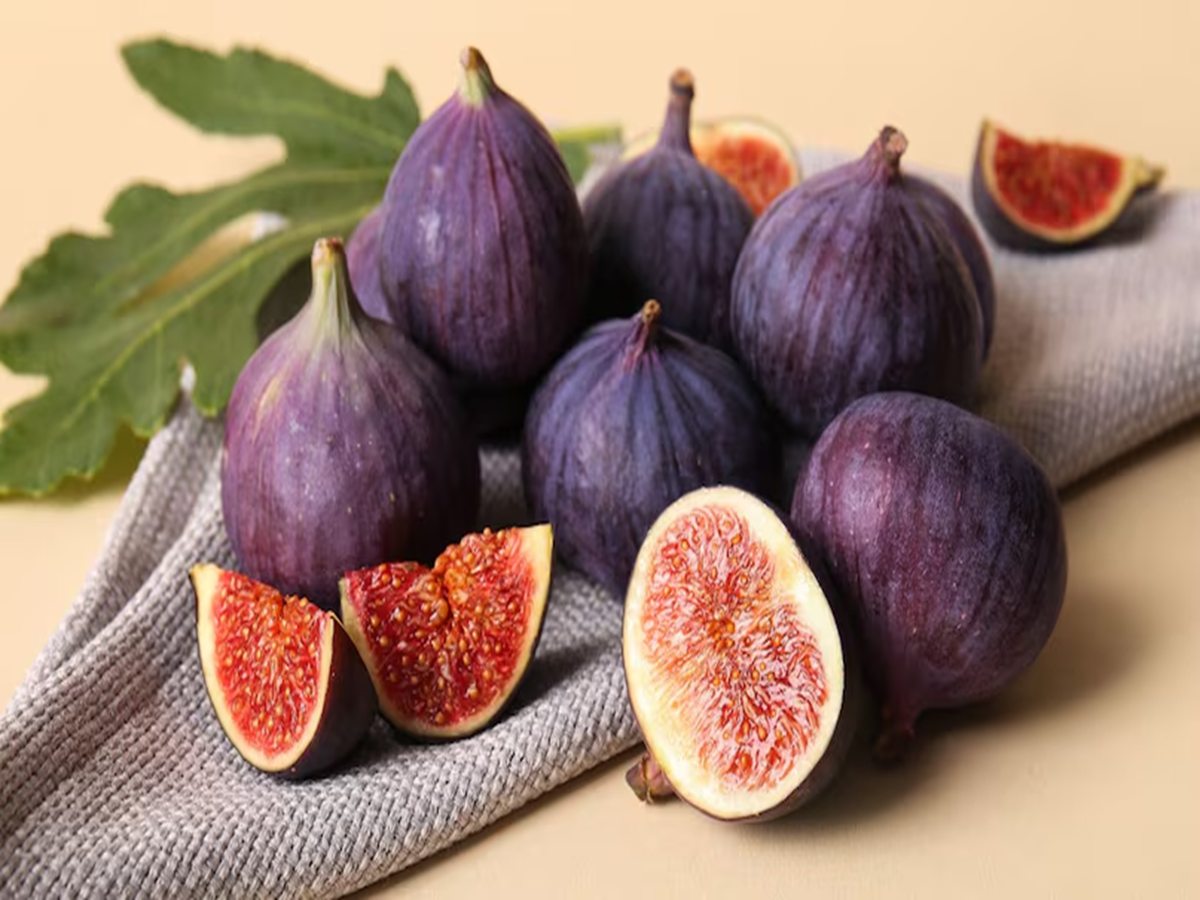
You should consume a variety of fruits daily. If that is not possible, ensure you eat at least two different types of fruits, ideally of different colors. Including an apple in your daily diet can help protect you against many illnesses. Citrus fruits—those with a sweet-and-sour flavor—help boost your immunity. They are rich in Vitamin C, which is a vital component of the immune system. Examples include oranges, grapefruits, kiwis, pineapples, lemons, and guavas.
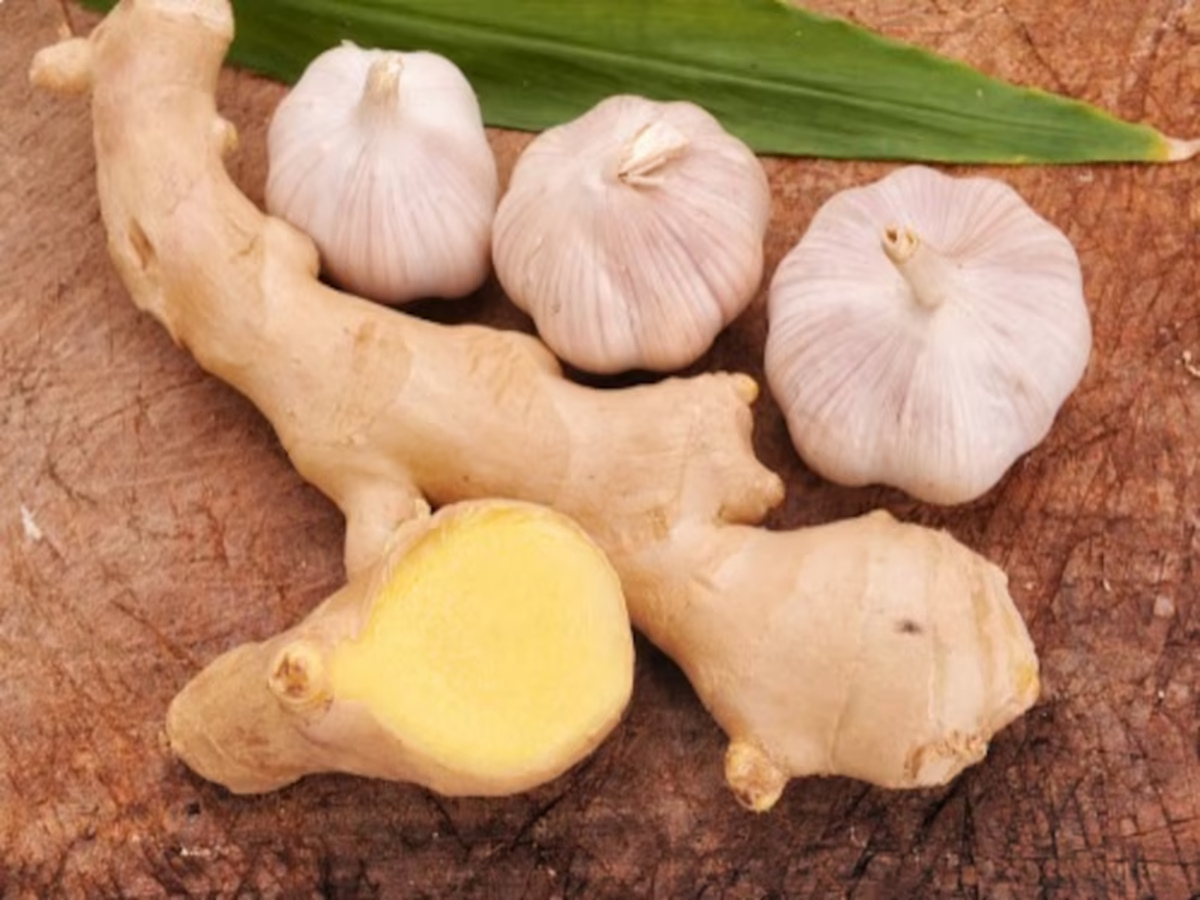
Certain items should be part of your daily diet, such as garlic, ginger, and salad. Ginger and garlic are considered miraculous in Ayurveda and can be used to treat various ailments. Garlic is excellent for boosting immunity, while ginger possesses anti-inflammatory properties. Additionally, you should incorporate a small portion of seeds into your daily intake—such as pumpkin seeds, flax seeds, or cucumber seeds. Consuming dry fruits (nuts and dried fruits) on a daily basis will provide even greater health benefits.
PC Social Media