LIFESTYLE
Heart Health: The body gives warning signs before a cardiac arrest; failing to recognize them in time can be fatal..
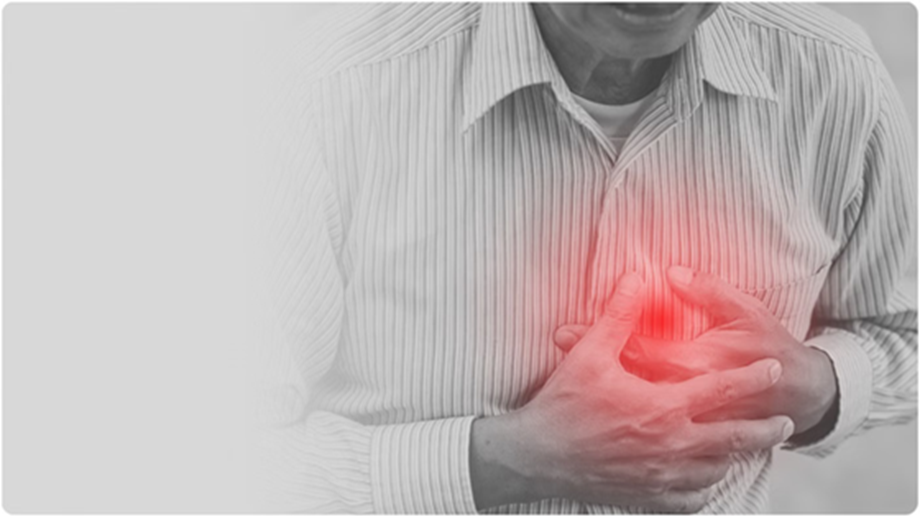
Heart disease is one of the biggest health challenges today. Millions of people die every year due to heart-related illnesses. When it comes to deaths from heart disease, heart attacks are the most frequently discussed. However, you may have also heard reports of deaths due to cardiac arrest. These heart-related conditions are actually different, although we often mistakenly consider them to be the same.
A heart attack is a problem caused by a blockage in the coronary arteries. If left untreated, this condition can stop the flow of blood to the heart, depriving it of sufficient oxygen. This can be life-threatening. Cardiac arrest, on the other hand, occurs when the heart stops pumping blood altogether. In this situation, the patient is unable to breathe normally. Both conditions are considered life-threatening.
The Problem of Cardiac Arrest
The common cause of cardiac arrest is considered to be an irregularity in the heart rhythm. This problem can occur when the heart's electrical system is not functioning properly. Symptoms may include chest pain, irregular heartbeat, difficulty breathing, fainting, or dizziness.
Health experts say that a person can die within minutes of a cardiac arrest. If immediate CPR or medical help is not provided, it can be fatal. It often occurs without any warning, which further increases the risk.
Why Does Cardiac Arrest Occur?
The biggest cause of cardiac arrest is a disruption in the heart's electrical activity, which causes the heart to stop beating properly. Therefore, measures to keep the heart healthy are very important.
According to experts, excessive stress, lack of sleep, lack of physical activity, obesity, high blood pressure, and high cholesterol are all major causes of heart disease. These factors increase the risk of both heart attacks and cardiac arrest. According to medical reports, smoking and excessive alcohol consumption affect the heart's electrical system, significantly increasing the risk of cardiac arrest. Individuals with a family history of this condition are advised to be even more vigilant.
What are the symptoms of cardiac arrest?
Cardiologists say that cardiac arrest is considered so dangerous because many of its symptoms are often subtle and easily overlooked. Before this life-threatening event, some people experience warning signs such as frequent dizziness, unusual fatigue, unexplained shortness of breath, or a rapid or irregular heartbeat. In many cases, mild chest pressure, discomfort, anxiety, and sudden sweating can also be hidden symptoms.
Recognizing these symptoms in time and contacting a doctor can significantly increase the chances of survival.
Also pay attention to these symptoms:
Difficulty breathing, especially after even minimal exertion, is a warning sign and should not be ignored.
A very rapid heartbeat or an irregular heartbeat can indicate serious heart problems.
If you experience fainting or lightheadedness, or pain and discomfort in your back or abdomen, be cautious.
In cardiac arrest, you may also experience chest pressure, tightness, or pain, similar to what is seen in a heart attack.
PC Social Media