
LIFESTYLE
Heart Health Tips: If you have swelling in your legs, take heed! This is a significant warning sign of a major heart condition..
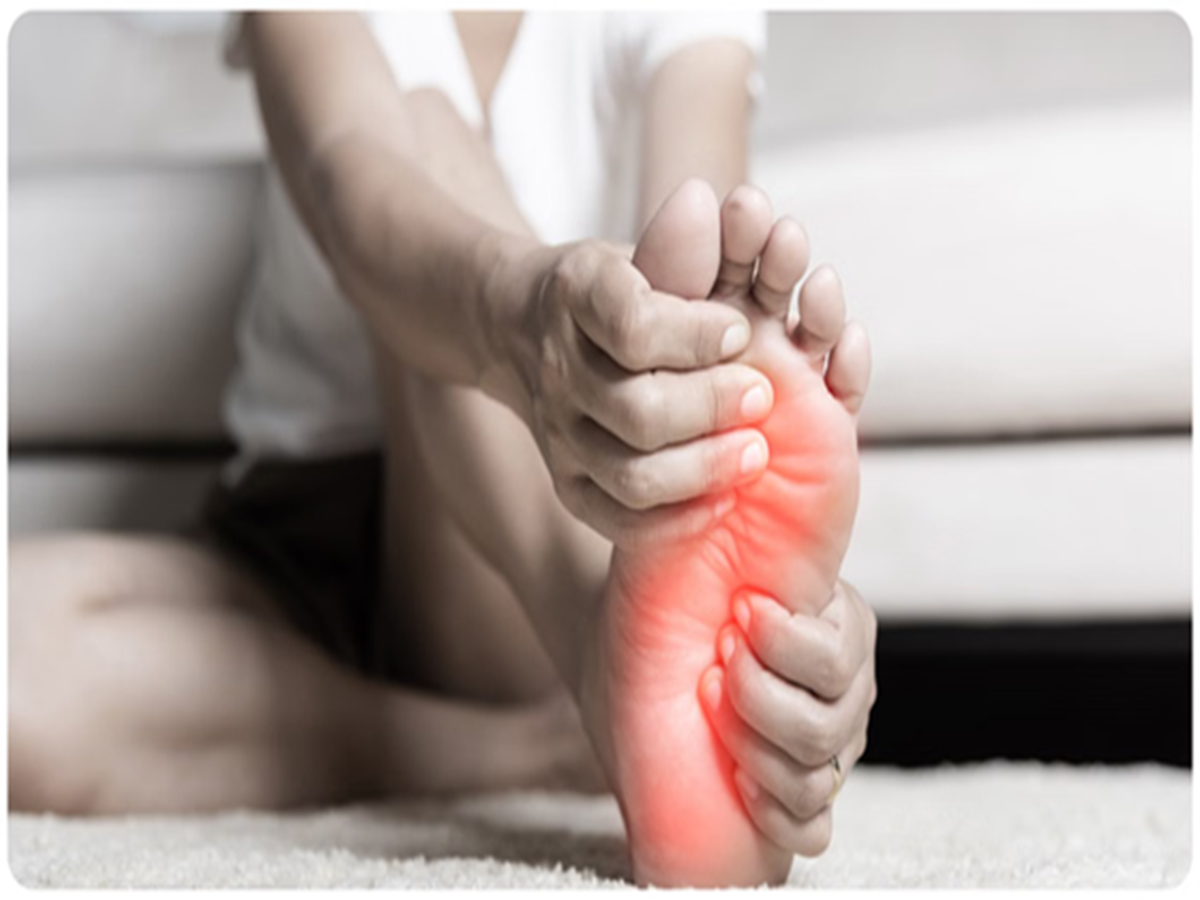
What Is Edema? Nowadays, due to changing lifestyles and irregular dietary habits, heart-related diseases are on the rise. Among these, heart failure is a serious condition, the warning signs of which often begin to appear gradually in advance. People frequently overlook these early symptoms, allowing the problem to worsen.

For instance, recurrent swelling in the legs can be one such warning sign—one that many people mistake for ordinary fatigue or the result of standing for prolonged periods. However, according to experts, this could also be an indication of compromised heart function.
If these symptoms are recognized promptly, a critical health situation can be averted. In this article, we will explain the connection between leg swelling and heart health, the medical term for this condition, and its associated symptoms and preventive measures.
What is the connection between leg swelling and heart failure?
If you experience recurrent swelling in your legs, ankles, or feet, it should not be ignored.
This may be a sign of fluid accumulation within the body, a condition often linked to a weakened heart.
When the heart is unable to pump blood effectively, fluid begins to pool in the lower extremities of the body, resulting in visible swelling.
What is Edema?
In medical terminology, this condition is referred to as edema. Edema occurs when excess fluid accumulates within the body's tissues. While this can occur not only in the legs but also in the hands, face, or abdomen, in cases of heart failure, the swelling is most frequently observed in the legs and ankles.
What are the primary symptoms of Edema?
Persistent swelling in the legs
Sudden weight gain
Stretched or taut skin; difficulty breathing
Rapid onset of fatigue
Difficulty walking or moving around
As this condition progresses in severity, shoes or sandals may suddenly begin to feel tight in some cases—a clear indication of fluid retention within the body.
What to do if symptoms appear?
If you experience recurrent swelling in your legs, difficulty breathing, or unusual fatigue, consult a doctor immediately. Reduce your salt intake, exercise regularly, and maintain a healthy weight. If symptoms of edema appear, avoid self-medication and seek treatment strictly in accordance with medical advice.
What Do Doctors Say?
According to experts, if swelling recurs frequently or persists for an extended period, it should not be taken lightly. Doctors advise that it is essential to accurately assess the condition by undergoing heart-related diagnostic tests, such as an ECG, echocardiography, and blood tests. Timely diagnosis can help bring the condition under control.
PC Social Media