LIFESTYLE
Holi songs: Jogira Sa Ra Ra Ra… Why do they say this in Holi songs, what does it mean? Know the history..
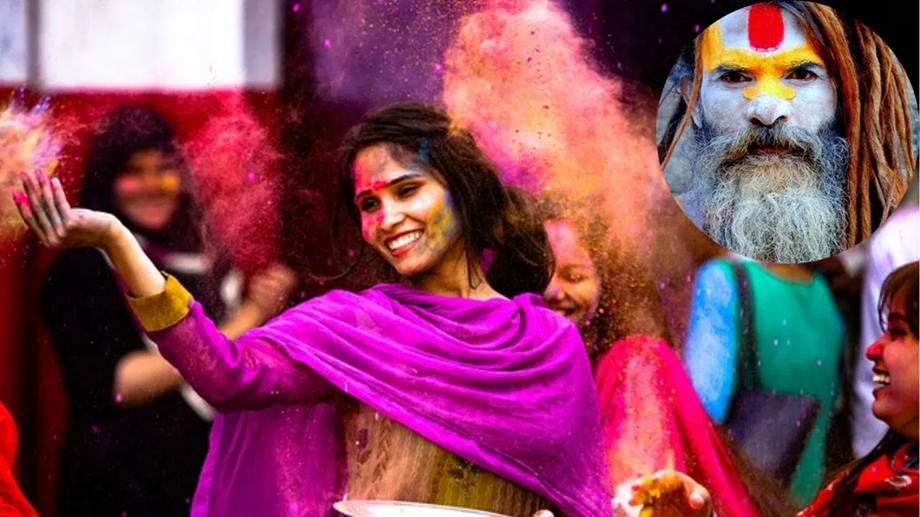
Holi songs are known for their fun. Holi songs are full of enthusiasm and excitement. Be it film songs or folk tunes… you must have often heard Jogira Sa Ra Ra Ra… in them. What does it mean? Where did this take come from in Holi songs? What is its tradition? And what is its history? On the day of Holi, be it a village or a city, how does the tune of Jogira Sa Ra Ra Ra… form in all the Holi songs sung by the gang of hooligans going from door to door? What happens is that with this take, the enthusiasm and excitement in people doubles. The listeners also become intoxicated. People go into a different world. Everyone repeats this take and sings and dances. Why does this happen? And since when has it been happening?
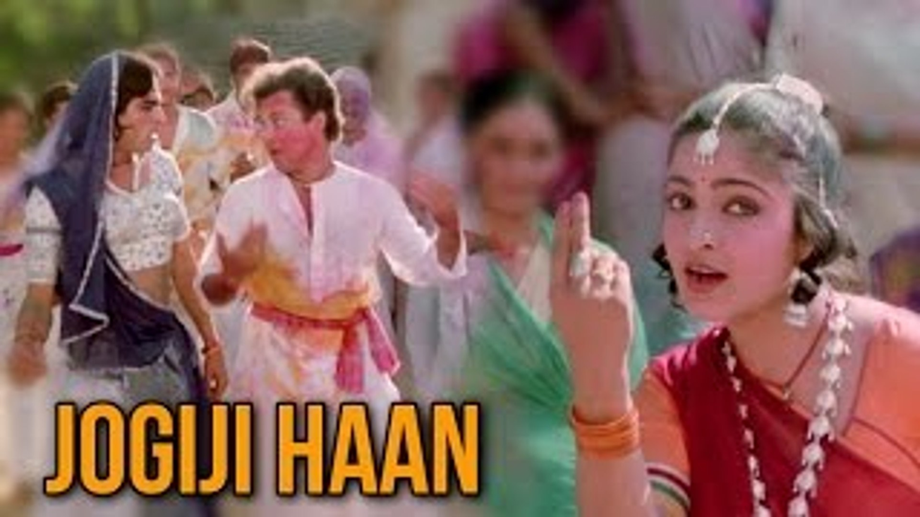
If you are not from a village, then you must have heard Jogira Sa Ra Ra Ra… in film songs. In the eighties, there was a very popular film of Rajshri Productions – Nadiya Ke Paar. There was a song in the film- Jogiji Dhoond Ke La Do… Jogiji Wah, Jogiji… This song can be seen and heard on YouTube. This song was filmed by Sachin and Sadhna Singh. The whole village gang is dancing together. Launda Naach is also happening. Lots of colors and gulaal were thrown. Nadiya Ke Paar created a buzz in the entire India, be it North or South. The special thing is that in this song, the word Jogiji has been spoken repeatedly like a take. In this film song based on folk tunes, who is being repeatedly referred to as Jogiji or Jogira? This should be understood seriously.
Since Holi, since Jogira Sa Ra Ra Ra…
Jogira Sa Ra Ra Ra… is the take on rural Holi songs. Before moving ahead, understand the take, and what it is. At the end of any song, when a word is repeated with the same tune, it is called a take. Thus, the custom of Jogira Sa Ra Ra Ra… is very old. How old… it cannot be estimated. Just understand that this is a centuries-old tradition. Ever since Holi, Jogira sa ra ra ra… but its meaning cannot be dismissed outright. Jogira or Jogi ji – saying this has a special meaning. It also has a cultural and philosophical side. As much as it is heard with joy and blown away like gulaal, its meaning is not that simple.
In the Jogi tradition, everyone is the same.
The word Jogira is derived from Jogi. In the Indian background, Jogi is said to be a person who is free from worldly illusions and attachments. They have no attachment to any material object. They are fakirs like Kabir. This is the reason that whenever the whole group comes out of the house singing on Holi, the people in it look as happy and engrossed as a Jogi. The real joy of playing Holi is in this style. People forget everything and get drenched in colors.
In the colors of Holi, no one is small or big. Neither high nor low. Everyone becomes equal by immersing themselves in colors. The same thinking works in the Jogi tradition as well. Being a Jogi means a carefree life. Away from the attachments of the material world. The complete joy of Holi lies in being carefree. That is why those who play Holi are called Jogiji or Jogira. Playing Holi as a Jogi gives a kind of supernatural pleasure.
But with time, it has also changed. Along with folk colors, it now sometimes also has contemporary taunts. Since Holi is also a festival to express frustrations and shortcomings. On this day, people speak their hearts out and also vent their anger through gestures. With this feeling, the tradition of humor and satire also started on this day. There is a lot of laughter and jokes on Holi. During this time, people are taunted by saying the biggest things. A lot of taunts are made. And then with a laugh, it is said- Bura Na Mano Holi Hai, Jogira Sa Ra Ra Ra…
Unique song and music of questions and answers
Especially in the villages of North India, even today there is a tradition of playing Holi collectively. Holi songs of folk tunes are sung on the beats of Dhapli at every square and intersection. During this time a unique collective style is seen. Holi groups go from door to door and taste the delicacies there by singing fun-filled songs in a carefree style.
Though Holi has now spread all over the world, it is deeply rooted in every village of North India. This is the reason that most of the folk songs of Holi are in Awadhi, Bhojpuri, Magahi, Bajjika, Maithili, Braj, Bundelkhandi, Rajasthani, Haryanvi and Punjabi, which have now been made in many versions. Holi songs have evolved a lot, from the era of disco to the era of rap, and many forms of it have come to the fore. Even then the style of Jogira remains intact in these songs.
PC Social media