
Parenting
How much leeway should parents give their teenage children? Understand where to allow privacy and where to enforce a 'no-compromise' rule..
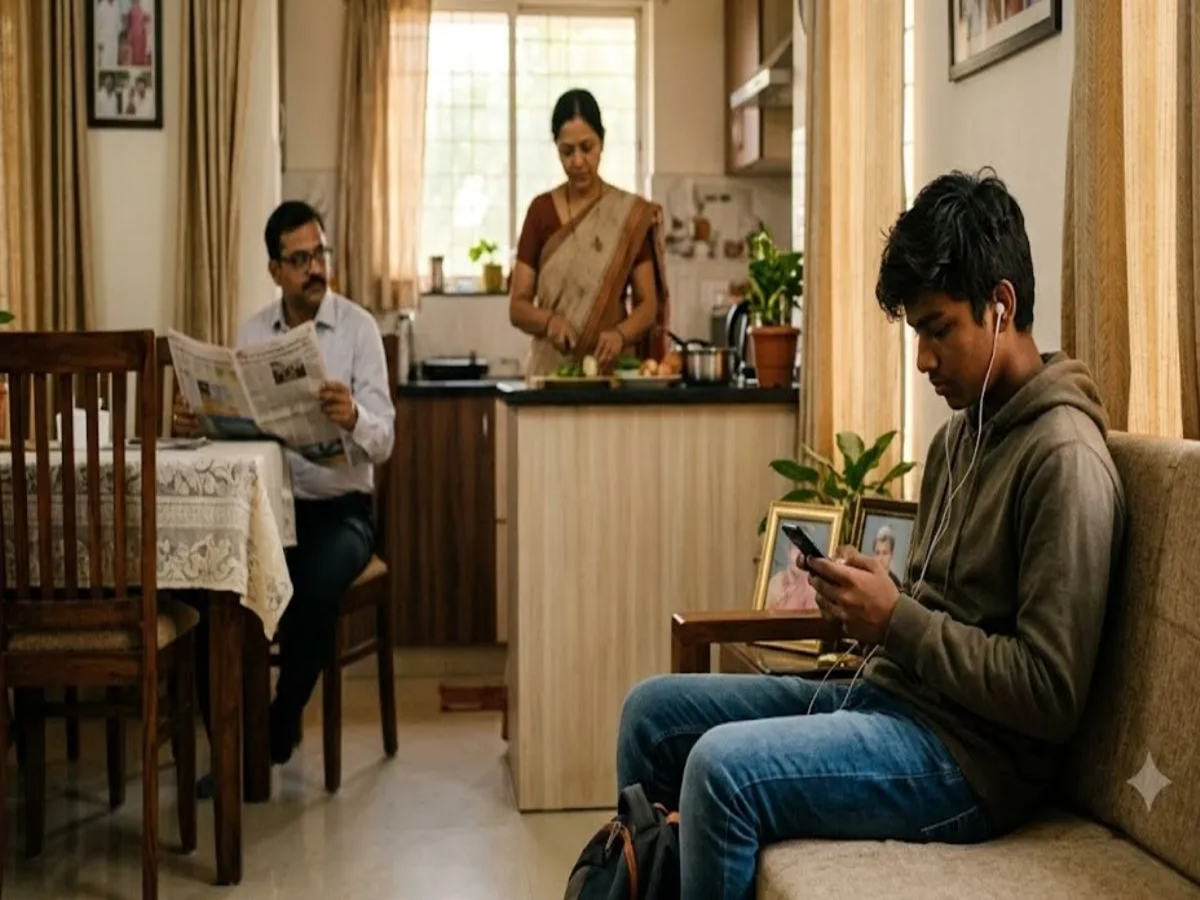
As children cross the age of 8–10 and enter their teenage years, the biggest question facing parents is how much privacy to grant them. Often, parents fail to distinguish between matters requiring privacy and those that do not, yet understanding this fine line is crucial for a child's healthy development.

**Privacy regarding personal belongings in their room**
Parents should avoid interfering too much with the personal items kept in a child's room—such as personal diaries, sketchbooks, books, notes, and gifts. Allow them to keep at least one corner or cupboard in their room strictly private.
**Allowing them to choose their own clothes**
As children grow, their style of dressing changes; avoid restricting their clothing choices. Give them enough space to experiment with style and fashion—and to learn from their choices—so that they can eventually make better decisions for themselves.
**Bodily privacy**
While children may always remain "little" in their parents' eyes regardless of their age, parents must respect their privacy regarding bathing and changing clothes from an early age.
**In which areas should parents avoid granting privacy?**
There are several areas where parents need to remain vigilant at all times; unfortunately, these are precisely the areas where children are often given the most unchecked freedom today.
**Internet and social media apps**
Parents should not be lax when it comes to their children's use of the internet and social media apps. Pay close attention to what the child is doing, which apps they use for entertainment, and the kind of people they are interacting with online.
**Health**
Parents are responsible for their child's diet; keep a close watch on what they eat when they are out. Eating habits formed at this age have a direct impact on their health.

**Company/Peer group**
At this age, children are particularly vulnerable to substance abuse and bullying. Often, they are not even aware of the situation they are facing; therefore, alongside keeping an eye on their company, try to understand their state of mind. In such instances, granting privacy could end up being detrimental to their mental health.
PC Social Media