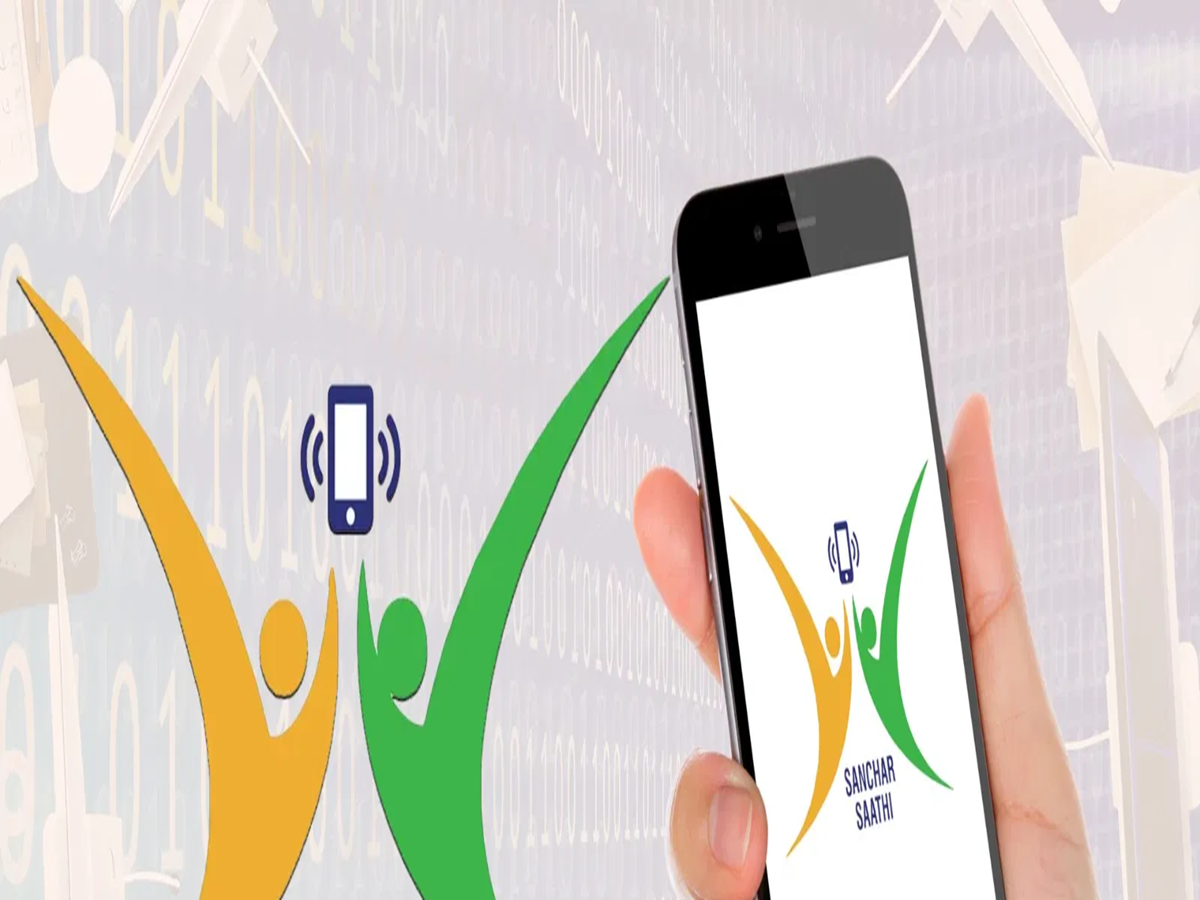
Today, mobile phones are not merely tools for communication; they store everything from banking details and essential documents to photos, contacts, and personal information. Consequently, losing a phone or having it stolen becomes a major problem. However, there is a government-backed method to recover a lost phone: the 'Sanchar Saathi' portal. In July 2026 alone, this platform—managed by the Department of Telecommunications—helped recover 77,692 lost or stolen mobile phones. This marks the first time the monthly recovery figure has crossed the 75,000 mark, representing a 201% increase in monthly recoveries compared to the period between April 2025 and July 2026. The question arises: what exactly does Sanchar Saathi do? How does it locate a lost phone, and how can the average person use it?
The mobile phone's IMEI number is the most crucial element of the Sanchar Saathi system. IMEI stands for International Mobile Equipment Identity; it serves as a unique identifier for your phone. Typically, the IMEI number is printed on the phone's box, bill, or purchase receipt. On many phones, it can also be viewed by dialing *#06#; however, you do not need to memorize the number if the phone is lost, as it can be retrieved from the box or bill. This IMEI number enables the system to identify exactly which mobile phone has been lost or stolen.
What should you do first if your phone is lost?
There is no need to panic immediately upon losing your phone. The first step is to have your SIM card deactivated or blocked. You should also check the security status of your banking apps, UPI services, and other essential accounts.
Next, it is essential to file a police complaint. Following this, you can utilize the Sanchar Saathi portal's CEIR (Central Equipment Identity Register) system.
This is where the process of blocking the lost phone on the network and subsequently tracking it begins.
What does CEIR do?
In simple terms, think of CEIR as a government system for mobile phone identification. It records details regarding lost and stolen mobile phones. When you report your phone via CEIR, its IMEI number can be blocked across Indian mobile networks. This means the phone cannot be used normally on a mobile network with a different SIM card.
In other words, a thief cannot simply insert their own SIM card and use the phone easily. However, there is an important point to note: blocking the phone does not guarantee its immediate recovery. Blocking helps prevent its use on the network and simultaneously allows the system to track it.
So, how is the phone tracked?
Suppose your phone is stolen. You file a complaint providing its IMEI number, and the phone gets blocked. Now, someone else inserts a new SIM card into that phone.
When the phone attempts to connect to a mobile network with the new SIM, the network can identify the device because changing the SIM does not alter the mobile's IMEI number.
This allows the system to detect that the phone—previously blocked due to a theft or loss report—is back in use on the network. Relevant information can then be relayed to the police and the phone's owner.
Changing the SIM doesn't hide the phone
Consider this scenario: your phone is stolen, and the thief removes your SIM card and inserts their own. You might think tracking the phone would now be difficult. However, mobile networks identify the phone and the SIM card separately. The phone is identified by its IMEI number; therefore, the device's identity remains intact even if the SIM is changed. If that stolen phone is used on a network, the system can capture details of its usage.
According to the ministry, information regarding the use of a new SIM card in a stolen or lost mobile phone is provided to the police. In many cases, details of an alternative mobile number are also shared with investigative agencies.
The police also receive information
Notifying the mobile owner is not the system's only function. Once the phone is traced, information regarding the relevant police station can also be communicated to the citizen via SMS, email, and the portal. The biggest advantage of this is that the mobile owner stays informed about the progress of the case.
At the same time, the police gain access to the digital information necessary for the investigation. The Department of Telecommunications' (DoT) Digital Intelligence Unit and regional offices collaborate with local police on such cases. In other words, the 'Sanchar Saathi' system does not operate in isolation; the Department of Telecommunications, mobile network operators, and the police work together.
Suppose your phone is tracked and recovered with the help of the police; you can then initiate the process to unblock it via 'Sanchar Saathi'. However, once you have the phone back, there is one crucial step to take: the Ministry advises performing a factory reset on the recovered phone.
This is because the phone might have been used by someone else before reaching you, potentially harboring suspicious apps, malware, or unauthorized software. A factory reset ensures the phone can be used safely again.
What is required to file a complaint?
It is advisable to have certain information ready in case your phone is lost. The most crucial detail is the phone's IMEI number. Additionally, details regarding the phone, the purchase invoice or available documentation, and information relevant to the police complaint can prove useful.
You can report a lost or stolen mobile phone via the Sanchar Saathi portal's CEIR system. Once the process is complete, the phone's IMEI can be blocked across Indian telecom networks. Consequently, if the phone is used on any mobile network again, the likelihood of identifying it increases.
Will the phone always be recovered?
No. It is important to understand that Sanchar Saathi is not a system that instantly locates every lost phone and delivers it to your doorstep. Recovering the phone depends on several factors—such as whether the phone is used on a network again, the information gathered during the police investigation, and where the device is being used. If the phone is never used on a network again, tracking it can be difficult.
Nevertheless, this system serves as a significant security safeguard for the phone owner. It makes using a stolen phone on the network difficult, and if it reconnects to a network, the police investigation can gain valuable digital leads.
What is the true strength of Sanchar Saathi?
The greatest strength of this entire system is that it treats the phone's identity independently of the SIM card. A SIM card can be changed, and the number can be altered, but the mobile's IMEI serves as a vital device identifier. It is based on this identity that networks and government systems can detect the activity of a lost or stolen phone. This is why Sanchar Saathi is not merely a portal for filing complaints; it is also a system that integrates information across telecom networks, mobile companies, and the police.
PC Social Media