Food & recipe
If you want crispy papdi like the market, then instead of flour, add these things to the flour..
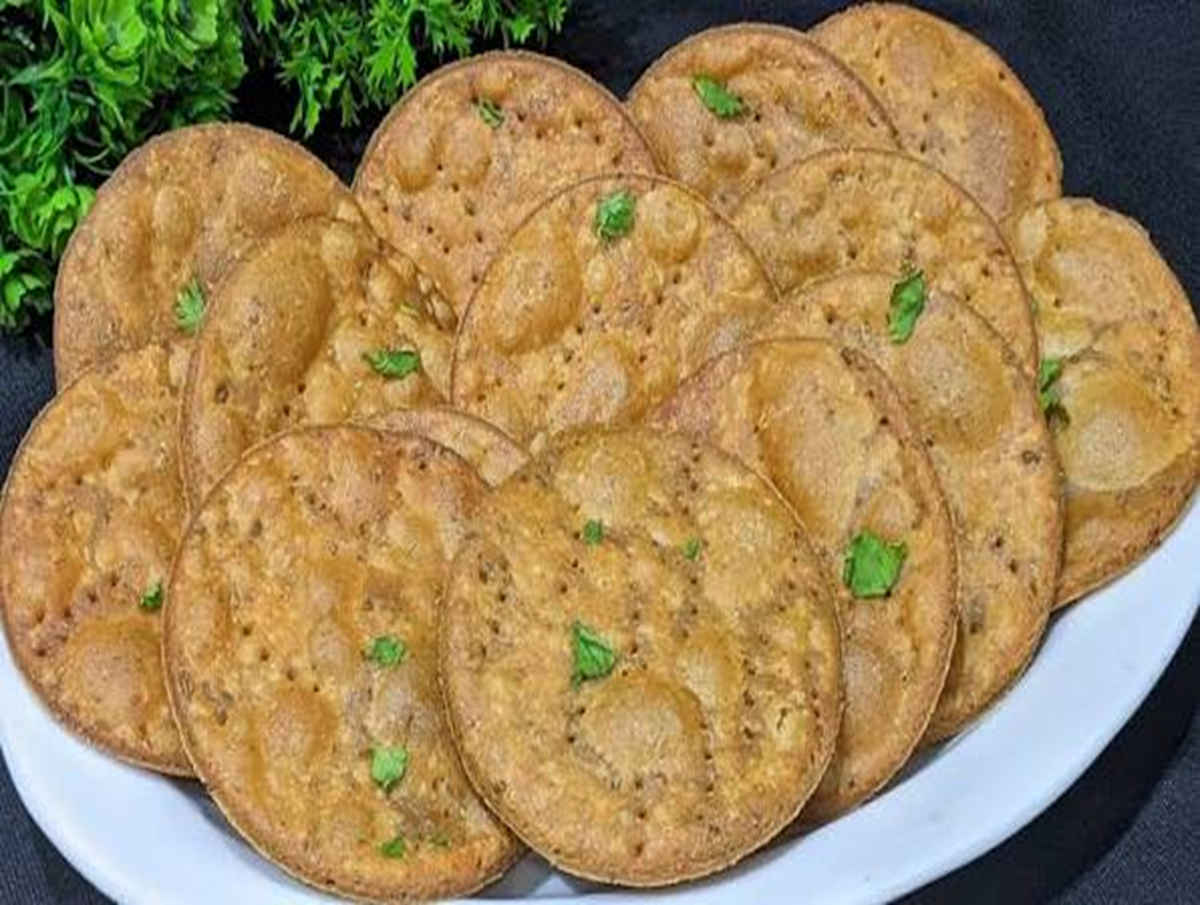
Atta Papadi Recipe: If you are craving something crunchy with your evening tea, nothing beats homemade *papadi*. While store-bought *papadi* is certainly tasty, there are often concerns about the use of refined flour (*maida*) and excessive oil. In such cases, *papadi* made from whole wheat flour and semolina (*suji*) serves as an easy, homemade alternative. Adding cumin seeds, carom seeds (*ajwain*), and nigella seeds (*kalonji*) enhances both the flavor and aroma. The best part is that you don't need a long list of ingredients to make it.
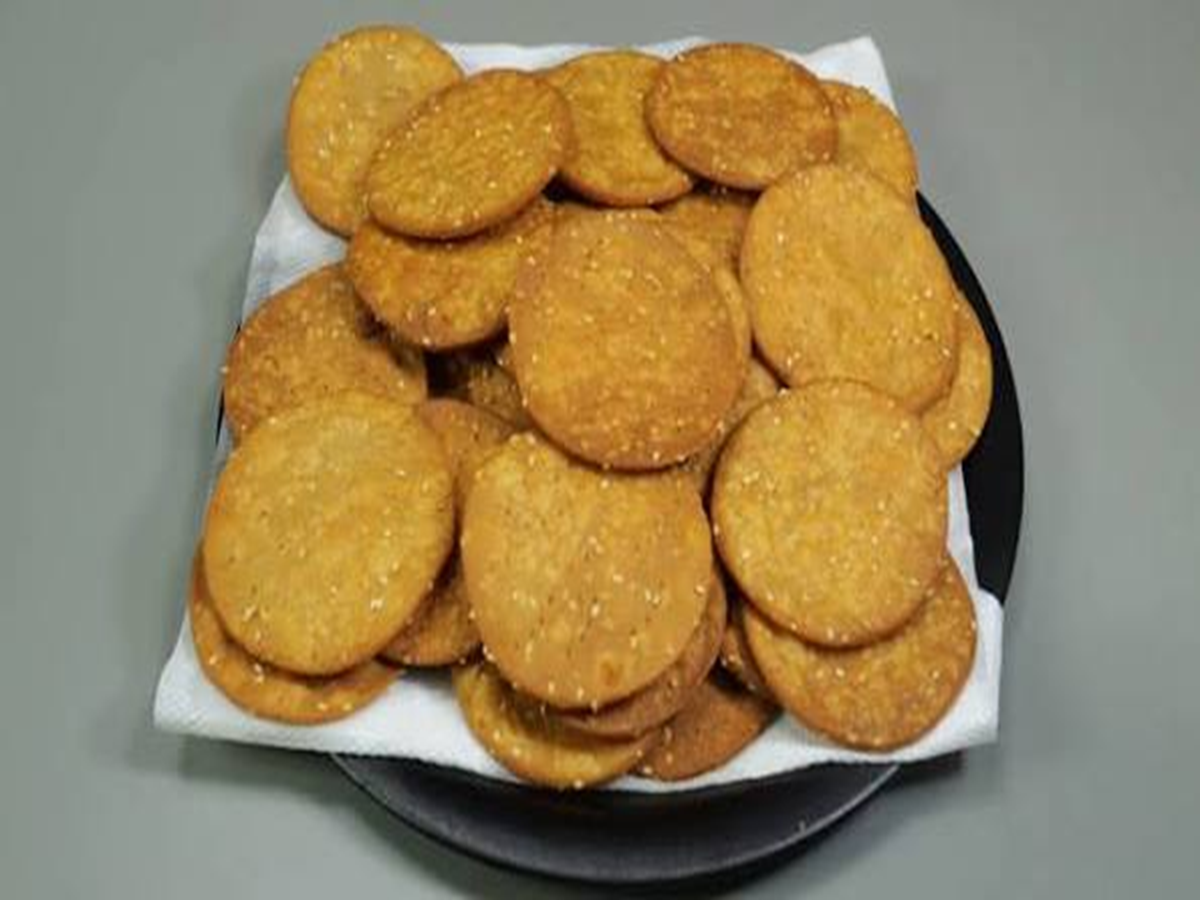
Getting the shortening (*moyan*) and the dough-kneading technique right is crucial for achieving the perfect crunch. If you want to make a snack to serve with tea at home, give this recipe a try.
**Ingredients for Whole Wheat Papadi**
For this recipe, take 2 cups of whole wheat flour and 4 tablespoons of fine semolina. For flavor, you will need half a teaspoon of cumin seeds, 1 teaspoon of carom seeds, 1 teaspoon of nigella seeds, and 1 teaspoon of salt. Use 3 tablespoons of oil for the shortening (*moyan*). Keep extra oil aside for frying the *papadis*. Once prepared, you can add a tangy twist by sprinkling 1 tablespoon of 'Magic Masala' (or noodle masala) and half a teaspoon of *chaat masala*. You can adjust the quantity of spices according to your preference.
**How to Make Whole Wheat Papadi**
**Step 1: Prepare the Dough**
In a large mixing bowl, combine the whole wheat flour and fine semolina. Add the cumin seeds, carom seeds, nigella seeds, and salt. Now, add 3 tablespoons of oil and mix well using your hands. To check if the shortening (*moyan*) is sufficient, squeeze a small amount of the mixture in your fist; if it holds its shape easily, the proportion is correct. Gradually add water and knead into a stiff dough. Ensure the dough does not become soft; if the dough is too soft, the *papadi* will not turn out as crispy as desired. After kneading the dough, cover it and let it rest for about 10 minutes.
**Shaping the Papdi**
Divide the dough into small balls. Take one ball and roll it out; avoid making it too thick or too thin—a thickness similar to a thin *puri* is ideal. Prick the rolled-out dough in several places using a fork; this prevents the *papdi* from puffing up excessively while frying and ensures a crispy texture. Now, use a small glass or a round cutter to cut out small, round *papdis* from the rolled sheet. Gather the remaining dough, roll it out again, and prepare the rest of the *papdis* in the same way.
**Tips for Frying**
Heat oil in a *kadai* (wok), ensuring it does not get excessively hot. Fry the *papdis* over a low to medium flame. Flip them occasionally so they brown evenly on both sides and become perfectly crispy. Frying on high heat might make them turn golden quickly, but the inner layers may not crisp up properly; therefore, it is best to fry them patiently. Once the *papdis* turn light golden and crispy, remove them from the oil and let the excess oil drain off.
**Enhancing the Flavor**
Once the *papdis* have cooled slightly, you can sprinkle 'Magic Masala' (or noodle masala) and *chaat masala* over them; use a smaller amount of spice if you prefer a milder taste. They can be served directly as a snack with tea. Once completely cooled, the homemade *papdis* can be stored in an airtight container. Keeping them away from moisture helps maintain their crispiness.
PC Social Media