
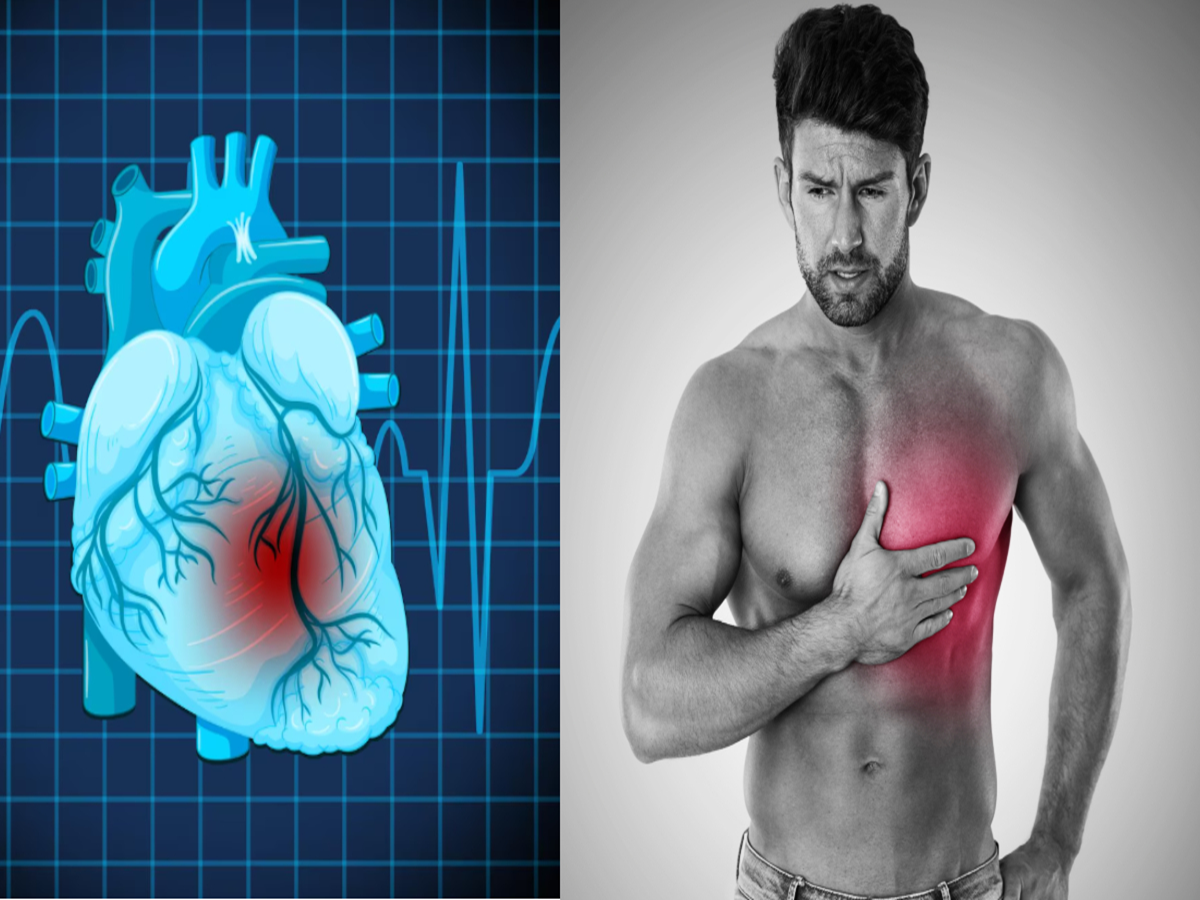
Heart disease and related conditions are among the leading causes of death worldwide. In India, too, the risk has been rising rapidly in recent years. Health experts note that the risk of heart disease is increasing even among younger people. Everyone needs to pay constant attention to maintaining heart health.
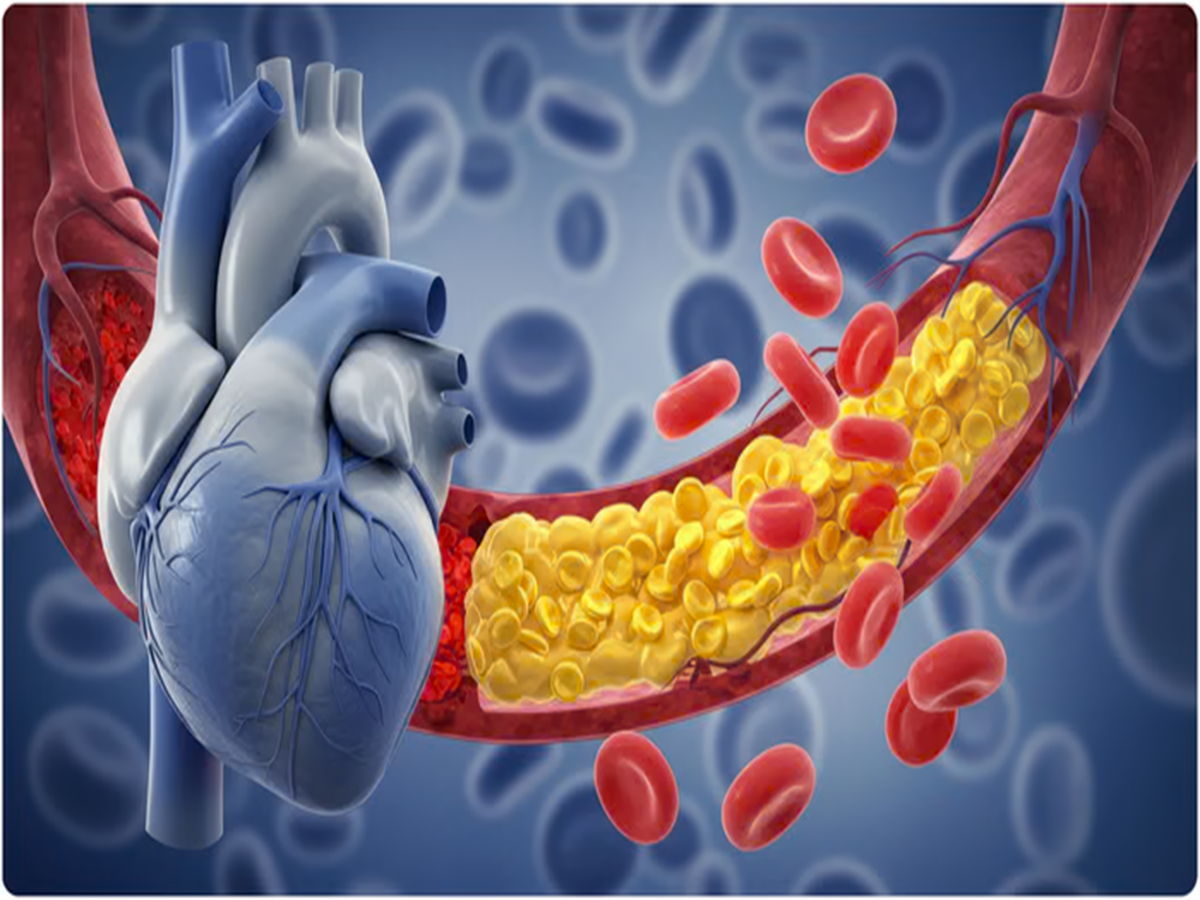
Doctors observe heart-related issues in people of all ages. This raises the question: how can you determine if you have a heart problem or are at risk of developing one?
Doctors suggest certain measures that can help you easily assess your heart health.
**Heart Disease Among the Youth**
Health experts report a recent rise in cases where individuals with no prior history of heart complaints show abnormalities in tests such as ECG, Echo, and TMT.
Experts point out that increased smoking and physical inactivity among young people are contributing factors to the heightened risk of heart disease.
It is essential for people of all ages to undergo regular heart check-ups.
Those with a genetic predisposition to heart disease need to exercise even greater caution.
Let us explore how you can determine whether your heart is healthy.
**Keep an Eye on Blood Pressure Readings**
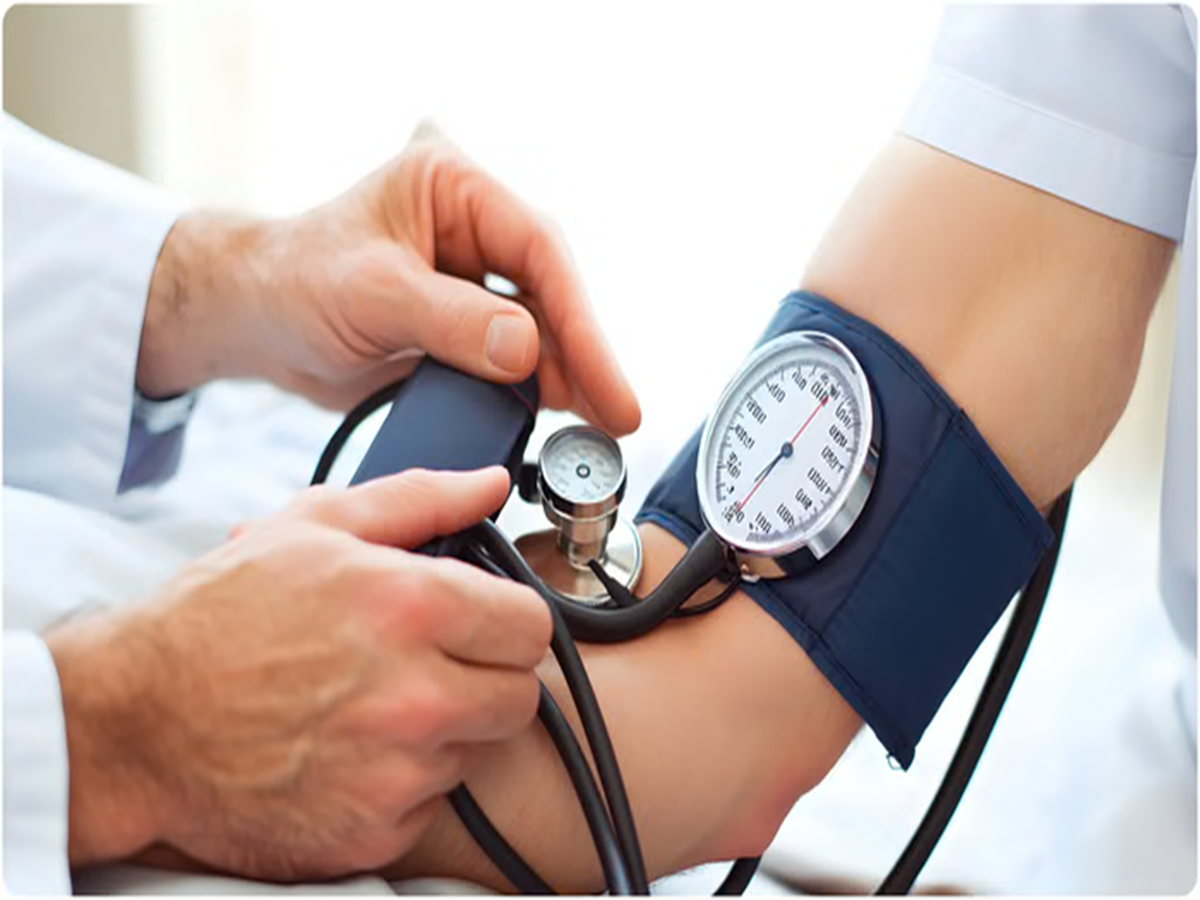
Monitoring blood pressure is a crucial parameter for assessing heart health. Consistently low or high blood pressure is often considered a sign of potential heart problems.
A blood pressure reading of 120/80 is considered normal. If your blood pressure consistently remains above this level, you need to be cautious.
High blood pressure can increase the risk of serious conditions such as heart attacks and strokes. Conversely, if it remains within the normal range, it indicates that your heart is functioning correctly.
**Maintaining a Normal Heart Rate is Essential**
Just like blood pressure, maintaining a normal heart rate is crucial for a healthy heart. Generally, a heart rate between 60 and 100 beats per minute is considered healthy.
If the rate frequently remains too low or too high, it could signal underlying heart health issues. Doctors also monitor heart rate during routine cardiac check-ups.
**Is Your Weight Too High?**
Studies indicate that individuals with excess weight face a higher risk of various chronic conditions, including heart disease and diabetes. Those with a Body Mass Index (BMI) exceeding 25 may be at an increased risk of heart disease. Health experts emphasize the importance of weight control to prevent such ailments.
If your blood pressure, heart rate, and BMI are within healthy ranges, it indicates good heart health; you can further enhance this by paying attention to your lifestyle and diet.
PC Social Media