LIFESTYLE
Intimate Health: No complete protection from HIV? Know when the risk of infection can increase despite using condoms..
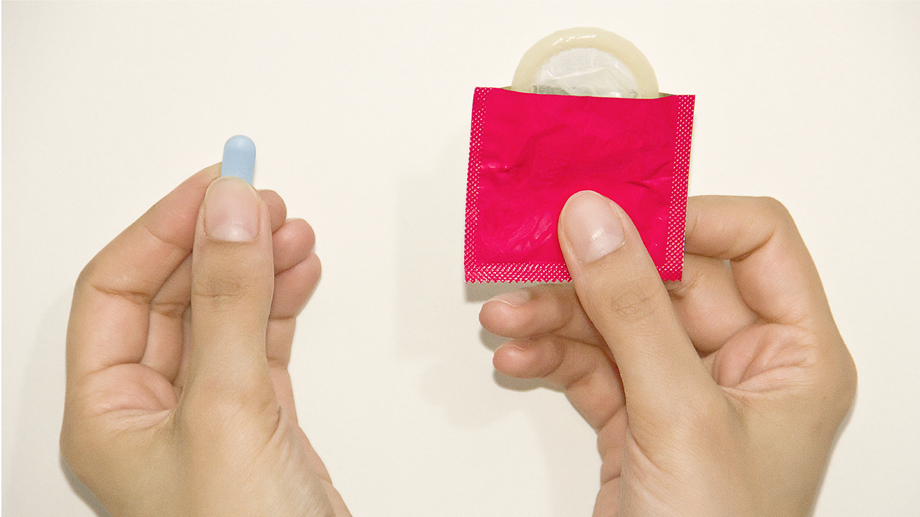
"I used a condom, but I'm still scared" — this worry haunts many people, especially when it comes to a serious infection like HIV. Condoms are considered the biggest weapon of protection during sex, but does it guarantee 100% protection from infection?
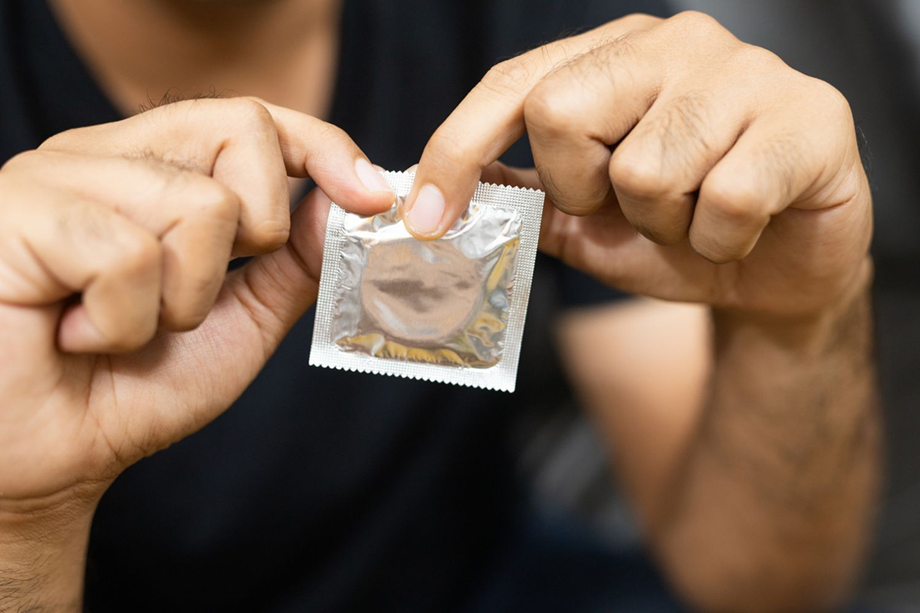
Why is a condom used?
Condoms are used not only to prevent unwanted pregnancy, but it is also an important means of protection against sexually transmitted infections (STIs). But the question is — can condoms completely prevent HIV?
Can HIV be contracted despite using condoms?
When condoms are used correctly and every time, it is a very effective way to prevent HIV. But the risk remains in certain situations.
Situations when there is a risk of HIV infection:
1. Condom breaking or slipping
If the condom breaks or slips during sex, then the body of the partners can get infected with HIV. 1. The fluids of both the penis and the penis can come in contact with each other. This increases the chances of spreading HIV or other sexually transmitted infections. This problem usually occurs when the condom is not worn properly, there is excessive rubbing during sex or there is not enough lubrication. Therefore, it is important to always wear the condom properly and keep it in the right place for the entire duration of sex.
2. Wrong use
Many people wear condoms after sex begins, but HIV infection can occur even in the beginning through pre-ejaculation. Similarly, removing the condom quickly and carelessly after sex is over also poses a risk as semen or blood may leak during this time. Condoms are considered to be used correctly only when they are worn and removed properly from the beginning to the end of sex.
3. Use of oil or lotion
If you use oil-based products such as coconut oil, petroleum jelly, or baby oil, it weakens the surface of the latex condom. This increases the chances of the condom bursting manifold. Latex Condoms Only water-based or silicone-based lubricants should be used with condoms to maintain the strength of the condom and ensure safety.
4. Poor quality or expired condoms
The manufacturing process and material quality of cheap or local brands of condoms may be questionable, which can cause them to tear easily or slip during sex. Similarly, the rubber strength of expired condoms weakens, which can lead to cracks or complete rupture. Always check the packaging date of the condom before use and choose a branded condom with IS/ISO certification.
What to do to avoid HIV?
- Always use branded and valid expiry condoms.
- Wear the condom before sex and remove it carefully after it is over.
- Use only water-based lubricants.
- If you ever feel at risk, consult a doctor, get an HIV test done, or get information about PEP treatment (Post-Exposure Prophylaxis).
Condoms provide good protection against HIV, But this is not a guarantee of complete protection. So do not depend only on condoms. Correct information, careful behavior, and periodic medical checkups are equally important.
PC Social media