LIFESTYLE
Is your Tulsi plant repeatedly drying up? What do these signs during Pitru Paksha signify—could there be a connection to *Pitru Dosh*?
Pitru Paksha is set to begin on September 26, following the conclusion of Bhadrapada Purnima. In Hinduism, Pitru Paksha is considered a highly significant period dedicated to one's ancestors. Throughout these 15 days, rituals such as *Tarpan*, *Shraddha*, and *Pind Daan* are performed in the name of the ancestors. It is believed that performing these rituals with the prescribed rites pleases the ancestors, ensuring their continued blessings upon the family. It is said that the grace of the ancestors fosters happiness and prosperity within the home. For this reason, people remember their ancestors and perform *Shraddha* and *Tarpan* in their honor during Pitru Paksha.
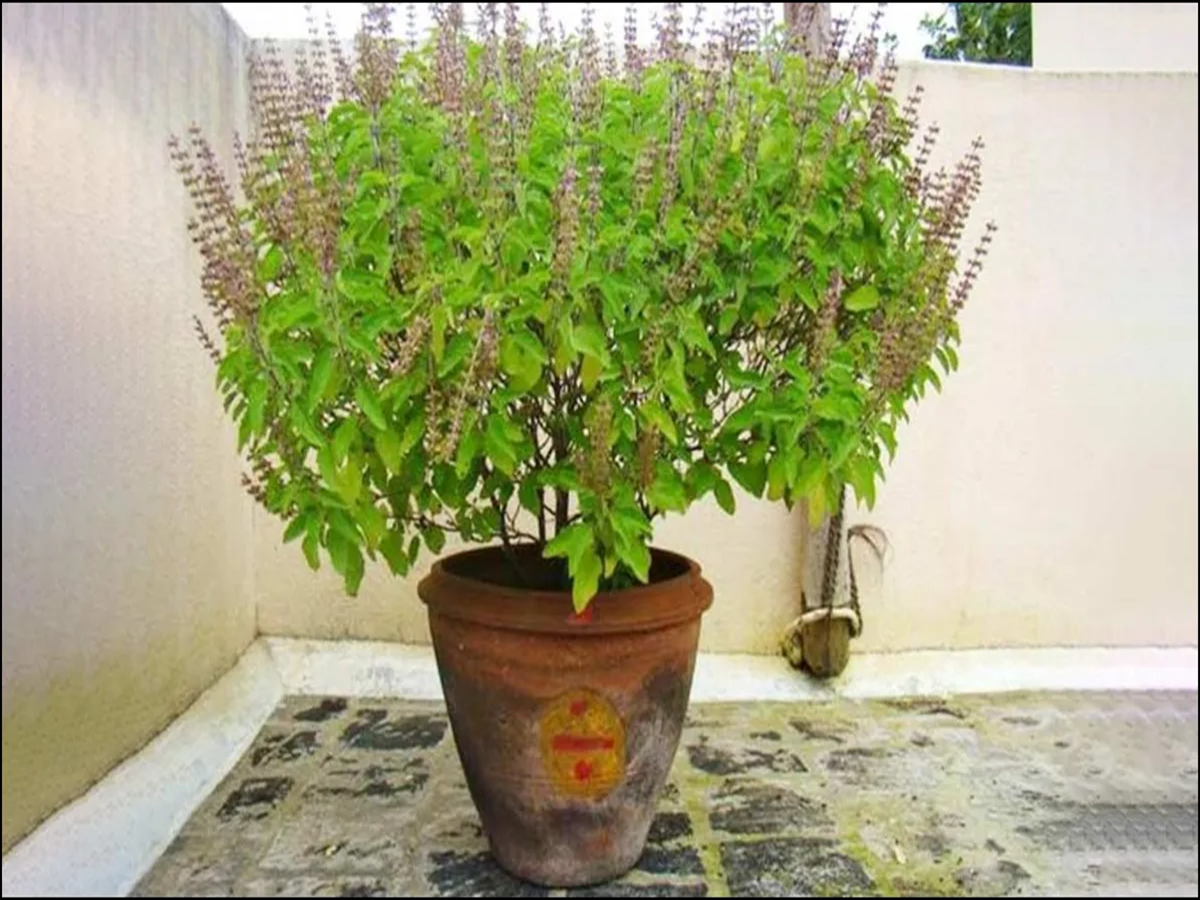
**Signs from the Tulsi Plant**
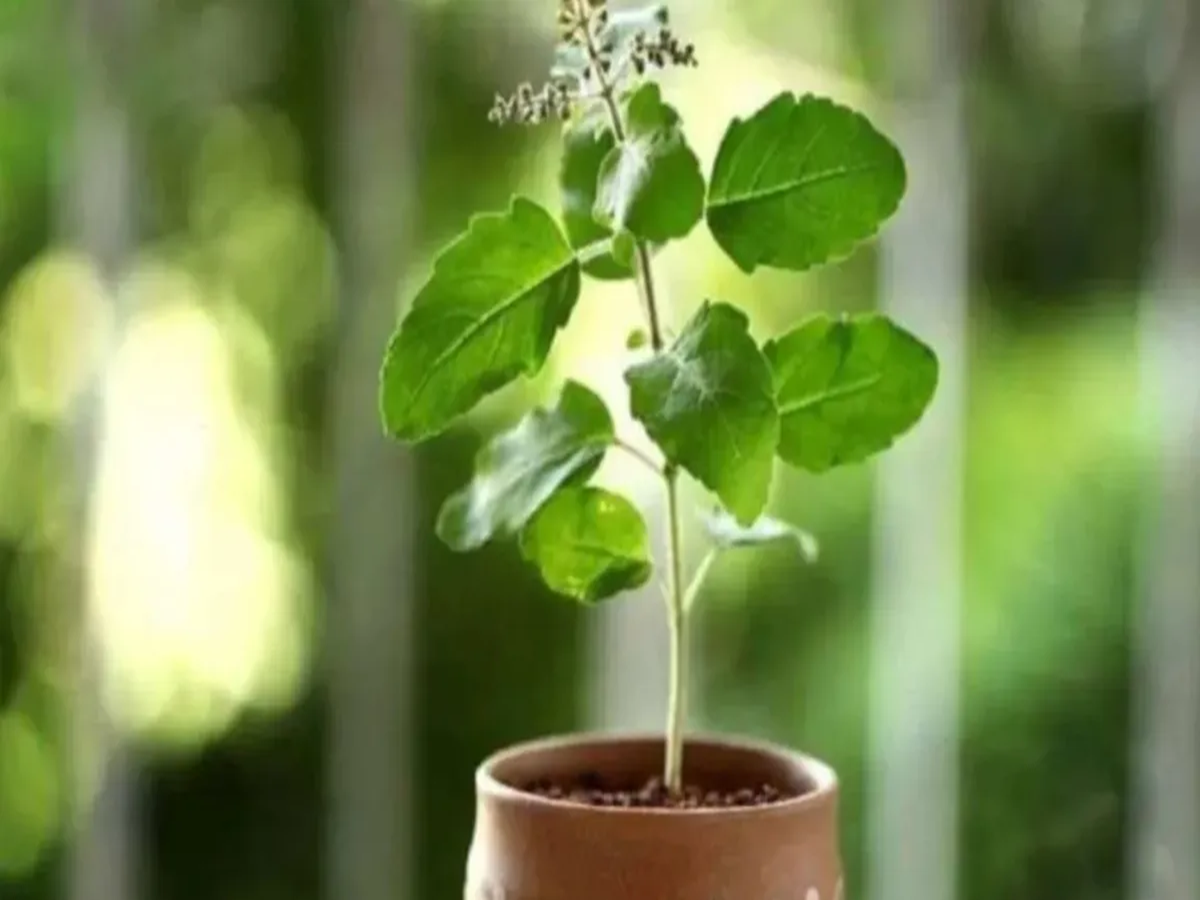
Astrology also outlines various beliefs regarding *Pitru Dosh* (ancestral affliction). It is said that if an individual's horoscope indicates *Pitru Dosh*, or if a family believes they are affected by it, the impact can manifest in the household atmosphere and personal progress. Persistent troubles, obstacles in tasks, or family discord are often attributed to *Pitru Dosh*. In this context, the Tulsi (holy basil) plant in the home is also said to offer certain signs. According to religious belief, the Tulsi plant is considered highly auspicious for the household; consequently, its sudden drying up or withering is often viewed not merely as a routine occurrence, but as an astrological signal.
**Insights from the Deoghar Astrologer**
Pandit Nandkishore Mudgal, an astrologer from Deoghar, explained that if a Tulsi plant in a home repeatedly dries up despite proper care, religious beliefs offer various interpretations. According to the astrologer, if the plant withers repeatedly even after watering, suddenly turns yellow, or breaks without any apparent reason, it is often linked to *Pitru Dosh*. While common factors such as weather, watering, soil conditions, or general plant care could explain a Tulsi plant drying up, religious belief interprets this as a sign linked to one's ancestors (*Pitris*).
**Perform *Pitri Tarpan* with proper rituals during these 15 days**
Astrologers state that the presence of *Pitri Dosh* (ancestral affliction) in a household is believed to cause sudden obstacles to the family's progress. It can also lead to domestic discord and frequent arguments over trivial matters. In such a scenario, the period of *Pitripaksh* is considered significant for remembering ancestors and performing rituals like *Tarpan*, *Shraddh*, and *Pind Daan* in their honor. It is believed that performing these rituals with due observance during this fortnight pleases the ancestors and ensures their continued blessings upon the family. Through their grace, peace and happiness prevail in the home, and the family continues to prosper.
PC Social Media