LIFESTYLE
Jagannath Rath Yatra: Jagannath Rath Yatra begins, know the process of building the chariot and what happens to the chariots after the journey..
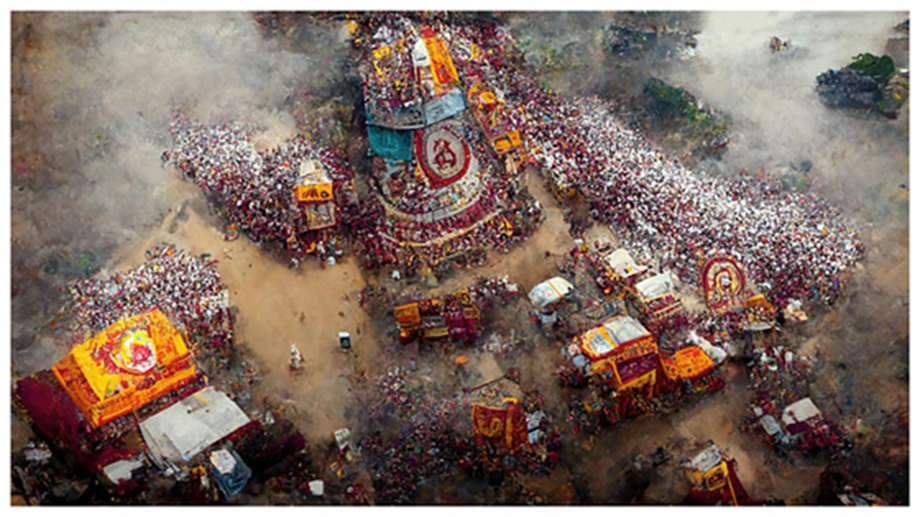
Jagannath Rath Yatra Ke Rath Kaise Bante Hain: Today the world's largest Rath Yatra is being organized in Puri, Odisha. After the Mangala Aarti of Lord Jagannath at 6 am, he was adorned and Khichdi Bhog was offered. At 9:30 am, the process of seating Lord Jagannath, Balabhadra, and Subhadra in their respective chariots started outside the temple. The chariots were also worshipped. At 3 pm, Gajapati Divya Singh Dev of Puri will inaugurate the Rath Yatra by sweeping the front of the chariot with a golden broom. On this journey, Lord Jagannath along with his brother Balabhadra and sister Subhadra will go to Gundicha temple about 3 km away, which is considered to be his aunt's house.
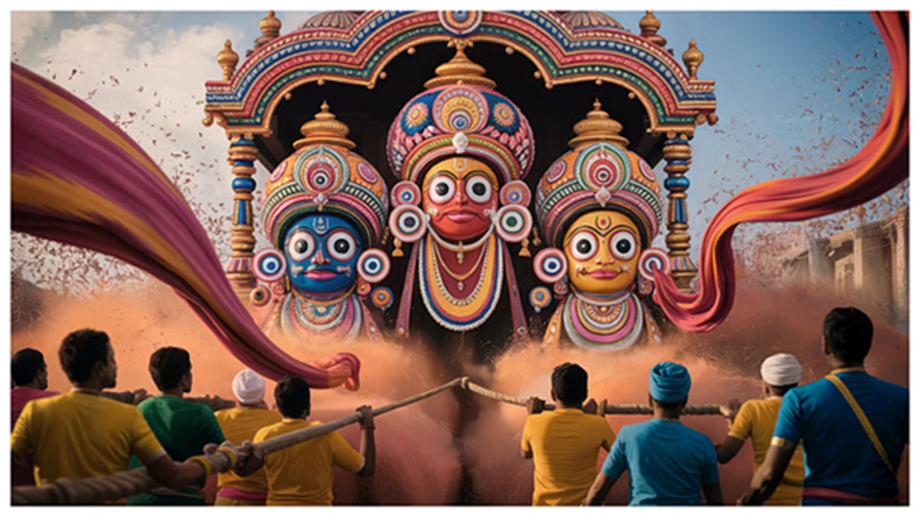
Jagannath Rath Yatra is famous all over the world for its grandeur and spiritual significance. Separate chariots are made for the three gods and are prepared from special wood. What happens to these chariots after the Rath Yatra is also a religious mystery. Let us know in detail.
When and how does the preparation for the construction of the chariot begin?
The preparation for the construction of the chariot for the Jagannath Rath Yatra begins several months in advance. This process begins especially on the day of Akshaya Tritiya, which is considered auspicious. The wood for the construction of the chariot is brought from the forests of the Mayurbhanj, Ganjam, and Keonjhar districts of Odisha. These areas are famous for their dense and sacred forests. Before cutting the wood selected from these forests, worship is done and it is cut at an auspicious time so that all the rituals are completed and the construction is successful. This entire process is considered like a religious ritual.
How are trees selected for making the chariot?
Special types of trees are selected for making the chariot, on which religious symbols like Chakra, Shankh, Gada, or Padma related to Lord Jagannath are inscribed. Apart from this, trees that have snake holes, bird nests, or sacred places like rivers, temples, etc. are not cut. This selection is done with respect for nature and religious beliefs so that the forests and animals are protected.
Which woods are used in making the chariot and for which part?
Fasi, Dhaura, Simli, Sahaja, and Mahi woods are used in the construction of Lord Jagannath's chariot. For example, heavy and strong wheels of the chariot are made from Dhaura wood. The axle of the wheel is made from Fasi wood, which connects the wheel to the chariot and ensures its strength. The upper part of the chariot is made from Simli wood, which is relatively lighter. Sahaja wood is used for light parts like roof and decoration. In this way, different woods are selected according to their properties so that the chariot is strong, durable and beautiful.
How many wheels do the chariots run on?
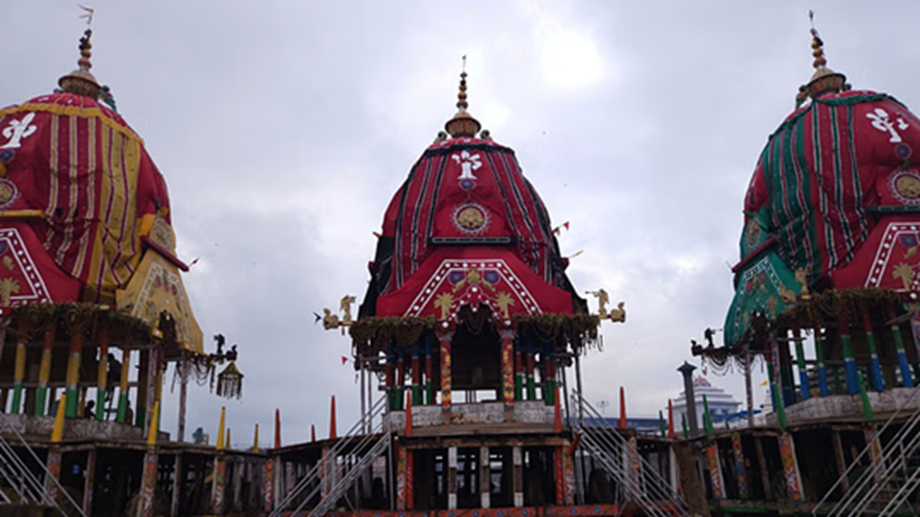
In the Puri Rath Yatra, the chariots of Lord Jagannath, his brother Balabhadra and his sister Subhadra run on separate wheels. Lord Jagannath's chariot 'Nandi Ghosh' has 16 wheels, Balabhadra's chariot 'Taladhwaj' has 14 wheels and Devi Subhadra's chariot 'Darpadalan Padma' has 12 wheels. This number is determined according to the grandeur of the chariots and their size.
What happens to the chariots after Lord Jagannath's journey?
After the completion of Lord Jagannath's Rath Yatra, these chariots are kept safely. Instead of throwing away the wood of the chariots is used in good and religious works. Apart from this, some of the wood of the chariot is also used to make prasad in the kitchen of Lord Jagannath temple, which maintains their purity.
PC Social media