LIFESTYLE
Jagannath Rath Yatra: When will Lord Jagannath's grand chariot procession take place? Know the date, significance, and interesting facts..
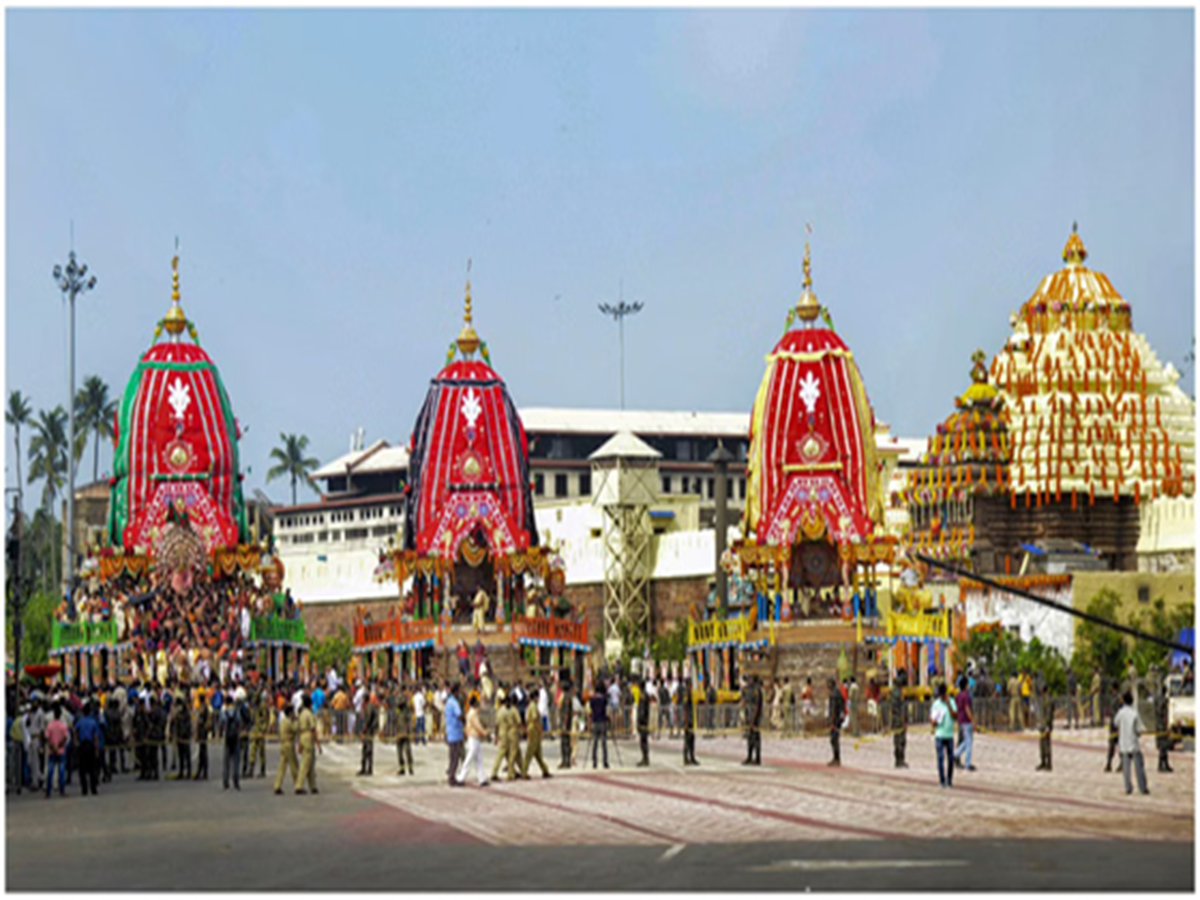
Lord Jagannath Festival: The Jagannath Dham in Puri, Odisha, is considered one of the four sacred *Char Dham* pilgrimage sites. Every year, a grand *Ratha Yatra* (Chariot Procession) of Lord Jagannath is organized here; it ranks among India's oldest and most significant religious festivals. This procession offers a magnificent confluence of faith, devotion, and tradition. Lord Jagannath, along with his brother Balabhadra and sister Subhadra, is seated on specially decorated, massive chariots and taken from the Jagannath Temple to the Gundicha Temple. In 2026, this sacred *Ratha Yatra* will commence on Thursday, July 16, and conclude on July 24 with the *Bahuda Yatra* (Return Procession). The event draws lakhs of devotees annually, who regard it as spiritually significant and a source of immense merit.
Significance of the Jagannath Ratha Yatra
The Jagannath Ratha Yatra is considered extremely sacred and spiritually rewarding. On this occasion, devotees have the privilege of serving the Lord directly by pulling the ropes of the chariots. It is believed that merely participating in the procession or catching a glimpse of the deities brings great spiritual merit. Pulling the chariot is said to cleanse one of all sins and pave the way for liberation from the cycle of birth and death. For devotees, this journey serves as a means for spiritual upliftment and a deeper connection with the Divine.
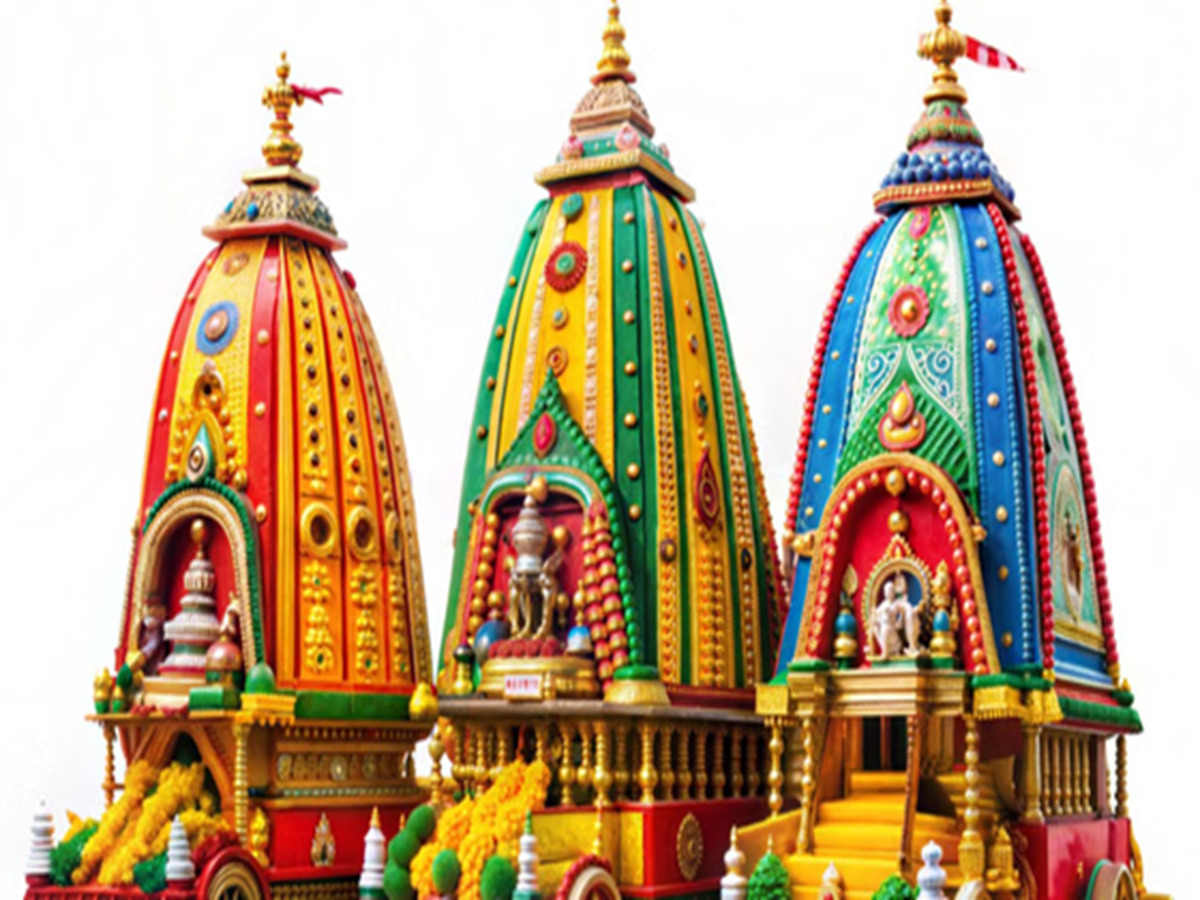
Lord Jagannath’s Chariot (Nandighosha)
Lord Jagannath’s chariot is known as "Nandighosha" and is considered the most prominent chariot of the *Ratha Yatra*.
It features 16 massive wheels, lending it a grand and distinctive appearance.
It is constructed using approximately 332 pieces of wood, reflecting ancient traditions and craftsmanship.
Standing about 45 feet tall, the chariot is a striking sight even from a distance.
It is adorned in red and yellow, colors that symbolize auspiciousness and energy.
Emblems of Lord Hanuman and Lord Narasimha are inscribed on the upper section of the chariot, enhancing its religious significance.
According to tradition, it is the last chariot in the procession. Lord Balabhadra’s Chariot (Taladhvaja)
Lord Balabhadra’s chariot is known as "Taladhvaja" and is considered a symbol of strength and discipline.
It features a total of 14 large wheels.
The chariot stands approximately 44 feet tall, giving it a magnificent appearance.
It is adorned with blue hues, symbolizing peace and stability.
According to religious tradition, this chariot leads the procession.
Goddess Subhadra’s Chariot (Darpadalan)
Goddess Subhadra’s chariot is known as "Darpadalan" and is regarded as a symbol of balance and grace.
This chariot has a total of 12 wheels.
It stands approximately 43 feet tall.
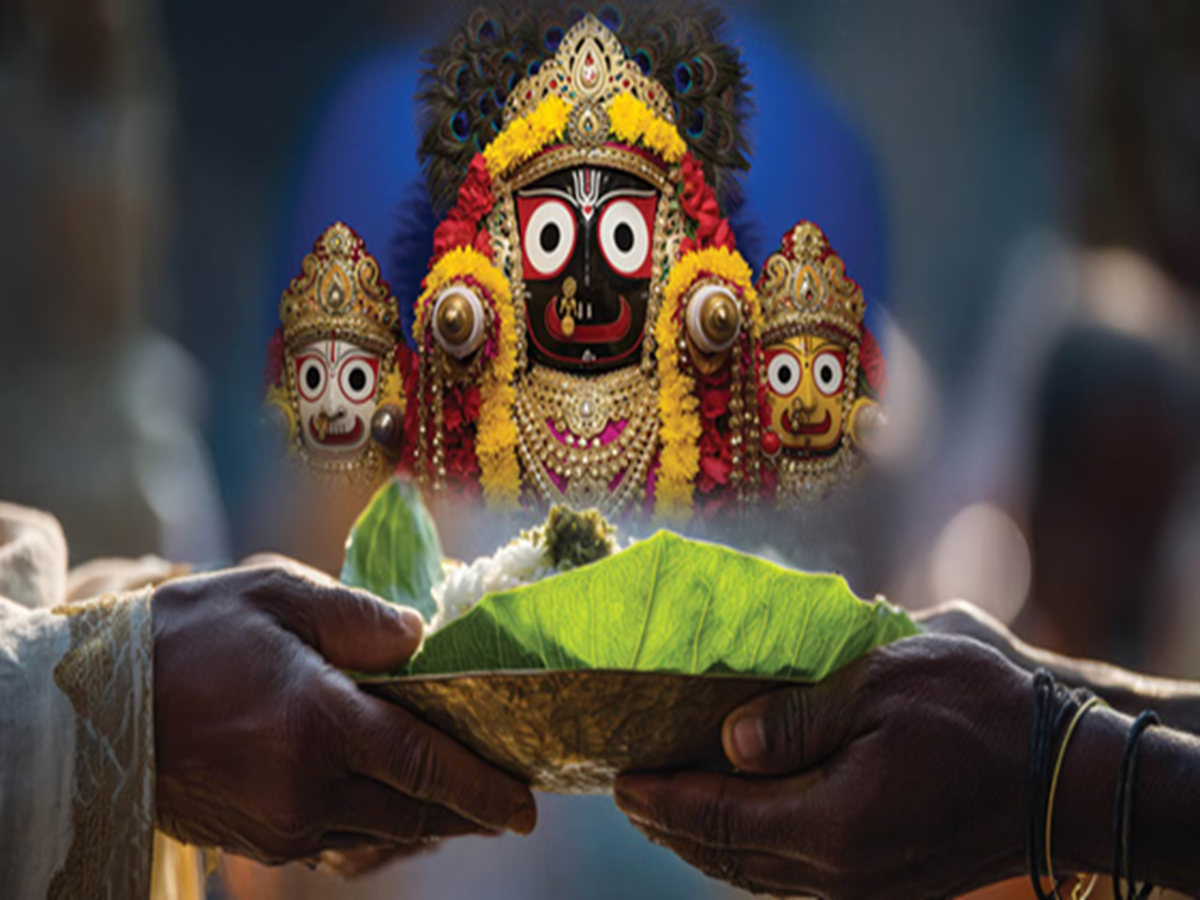
The chariot is decorated in black, a color symbolizing power and mystery.
It moves in the middle of the procession, symbolizing Goddess Subhadra’s presence between her two brothers.
All three chariots are constructed using a highly sacred process that involves no metal nails.
Devotees pull these chariots with immense reverence, enthusiasm, and devotion.
The entire procession is considered a magnificent symbol of faith, dedication, and spiritual unity.
PC Social Media