LIFESTYLE
Karwa Chauth 2026: Women observing the fast for the first time should know the rules, moonrise time, and auspicious timings..
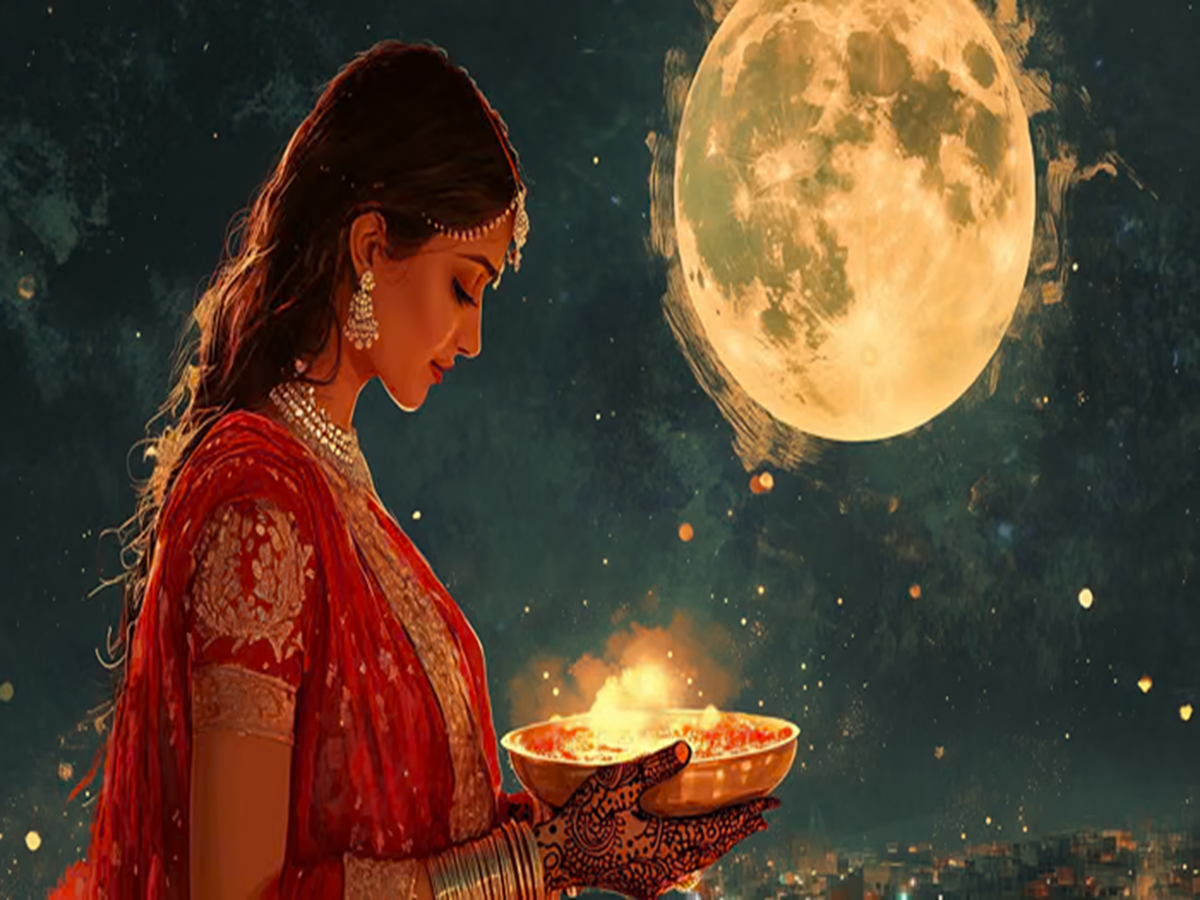
The festival of Karwa Chauth will be celebrated on Thursday, October 29. According to astrologer Pandit Manoj Kumar Dwivedi, the *Chaturthi Tithi* (fourth lunar day) will prevail from sunrise on Thursday until 10:09 PM. Additionally, there will be a conjunction of the *Rohini* and *Mrigashira* *Nakshatras* (constellations). Pandit Dwivedi clarified that there are no religious prohibitions for women observing the Karwa Chauth fast for the first time after their marriage. Furthermore, since the planet Venus (*Shukra*) will rise on October 28, there will be no *Shukrast* *Dosh* (an inauspicious period caused by the setting of Venus).
**Karwa Chauth fast to be observed on October 29**
Married women observe the Karwa Chauth fast, praying for their husbands' longevity, prosperity, and a blissful marital life. This year, the *Chaturthi Tithi* will persist from the time of the *Sankalp* (the initial vow/pledge taken in the morning) throughout the day and into the night. Therefore, observing the fast and performing the *puja* (worship) on October 29 is in accordance with the *Shastras* (scriptures).
**Valid even for those observing the fast for the first time**
Some posts circulating on social media claim that women who were married this year cannot observe the Karwa Chauth fast for the first time. Pandit Manoj Kumar Dwivedi has dismissed this claim as baseless. According to him, religious texts such as *Dharmasindhu* and *Nirnayasindhu* contain no mention of any prohibition against observing the Karwa Chauth fast for the first time. Consequently, newlywed women may also observe this fast with full devotion.
**Conjunction of *Rohini* and *Mrigashira* *Nakshatras***
This year, Karwa Chauth coincides with a conjunction of the *Rohini* and *Mrigashira* *Nakshatras*. According to astrological beliefs, the Moon being in an exalted position in the zodiac sign of Taurus (*Vrishabha*) is considered conducive to fostering love and harmony in marital life. This alignment is believed to strengthen the mutual love and affection between a husband and wife.
**No *Shukrast Dosh* or *Bhadra Dosh***
There will be no *Shukrast Dosh* on this year’s Karwa Chauth, as the planet Venus will rise on the morning of October 28. Furthermore, there is no 'Bhadra' (an inauspicious period in the Hindu calendar) on October 29th. According to the scriptures, the consideration of 'Bhadra' is primarily relevant for rituals like 'Holika Dahan' and 'Raksha Bandhan'. During the 'Karwa Chauth' fast, married women pray to Lord Ganesha, Lord Shiva, Lord Kartikeya, Goddess Parvati, and the Moon God for an unbroken, lifelong marital bond; therefore, the presence of 'Bhadra' does not affect the worship or the fast. Consequently, women can observe the waterless fast and perform the rituals with complete devotion and faith.
Moonrise at 8:19 PM
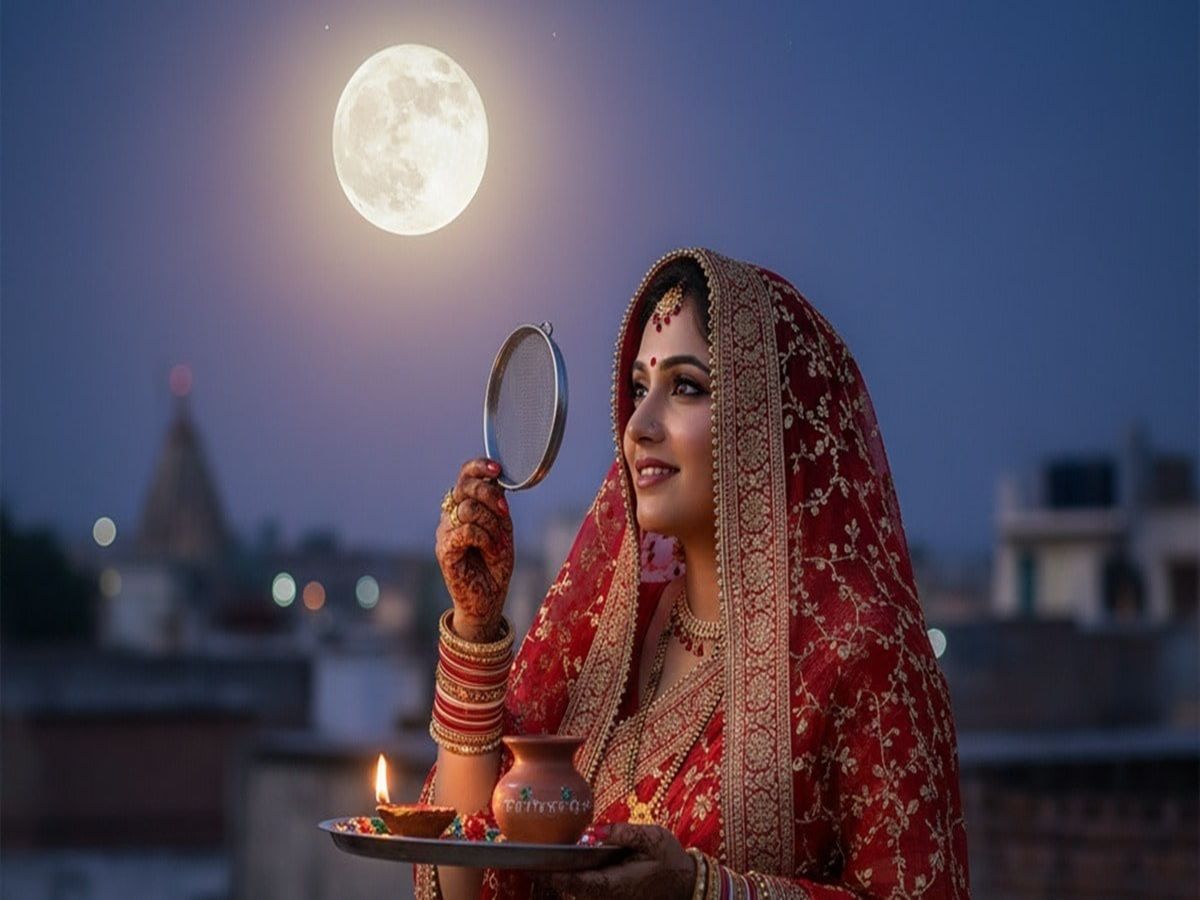
This year, on Karwa Chauth, the expected time for moonrise in Kanpur is 8:19 PM. According to religious traditions, the worship involves offering 'Arghya' (a ritual offering of water) to the moon once it rises above the horizon and becomes clearly visible. However, the exact time of moon sighting may vary due to local weather and geographical conditions.
On the day of Karwa Chauth, married women observe a 'Nirjala' (waterless) fast—abstaining from both food and water—from sunrise until the moon rises. The fast is broken only after the evening worship and the offering of 'Arghya' to the moon.
On this day, Lord Shiva, Goddess Parvati, Lord Ganesha, Lord Kartikeya, and the Moon are worshipped. By observing the Karwa Chauth fast, married women are blessed with an unbroken marital bond and the long life of their husbands, ensuring a blissful domestic life.
Married women dedicate this fast to their husbands, praying for their excellent health and longevity, and wishing that they may be blessed with the same husband in every lifetime.
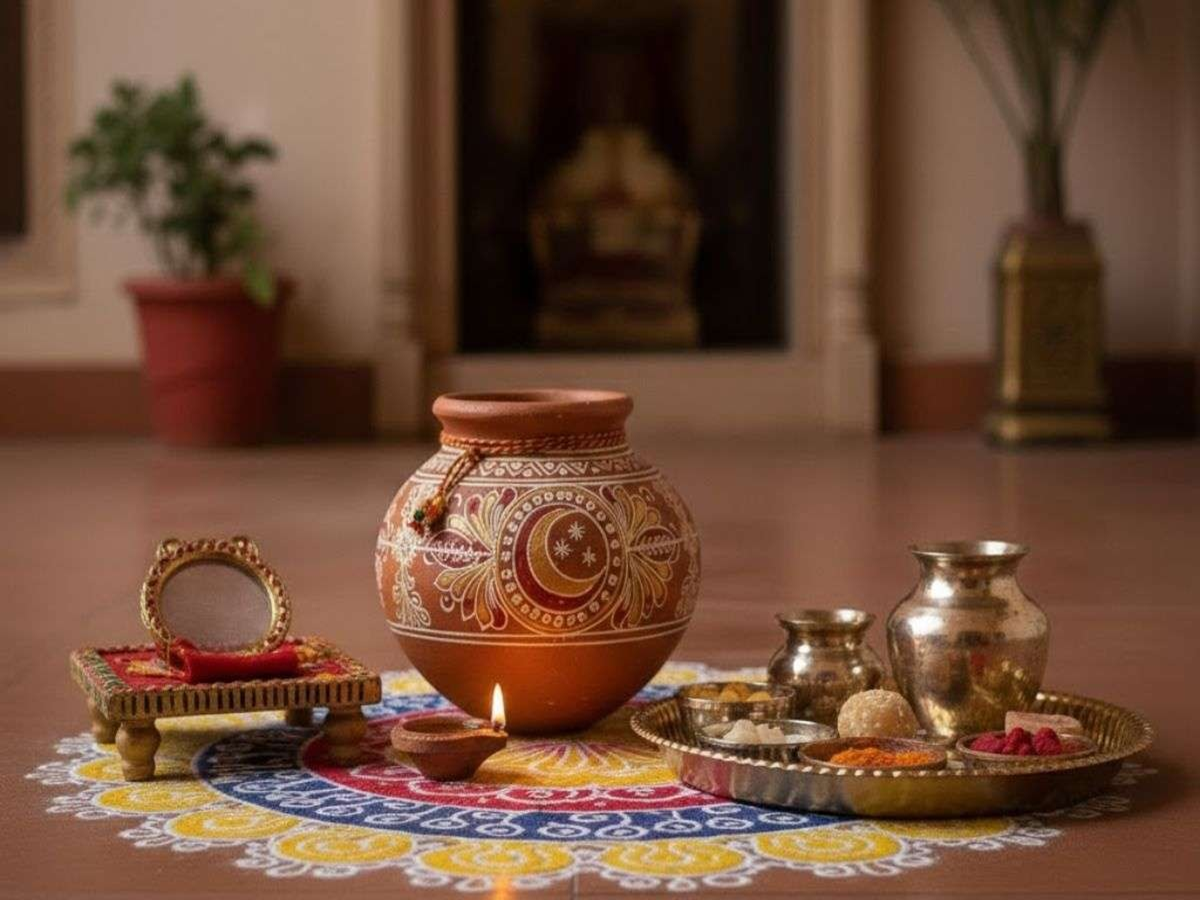
Karwa Chauth is also known as 'Karak Chaturthi'. The term 'Karwa' or 'Karak' refers to an earthen vessel used to offer water—known as 'Arghya'—to the moon. This vessel holds great significance during the worship and is often given as a donation to a Brahmin or another deserving woman. Why is the Moon worshipped?
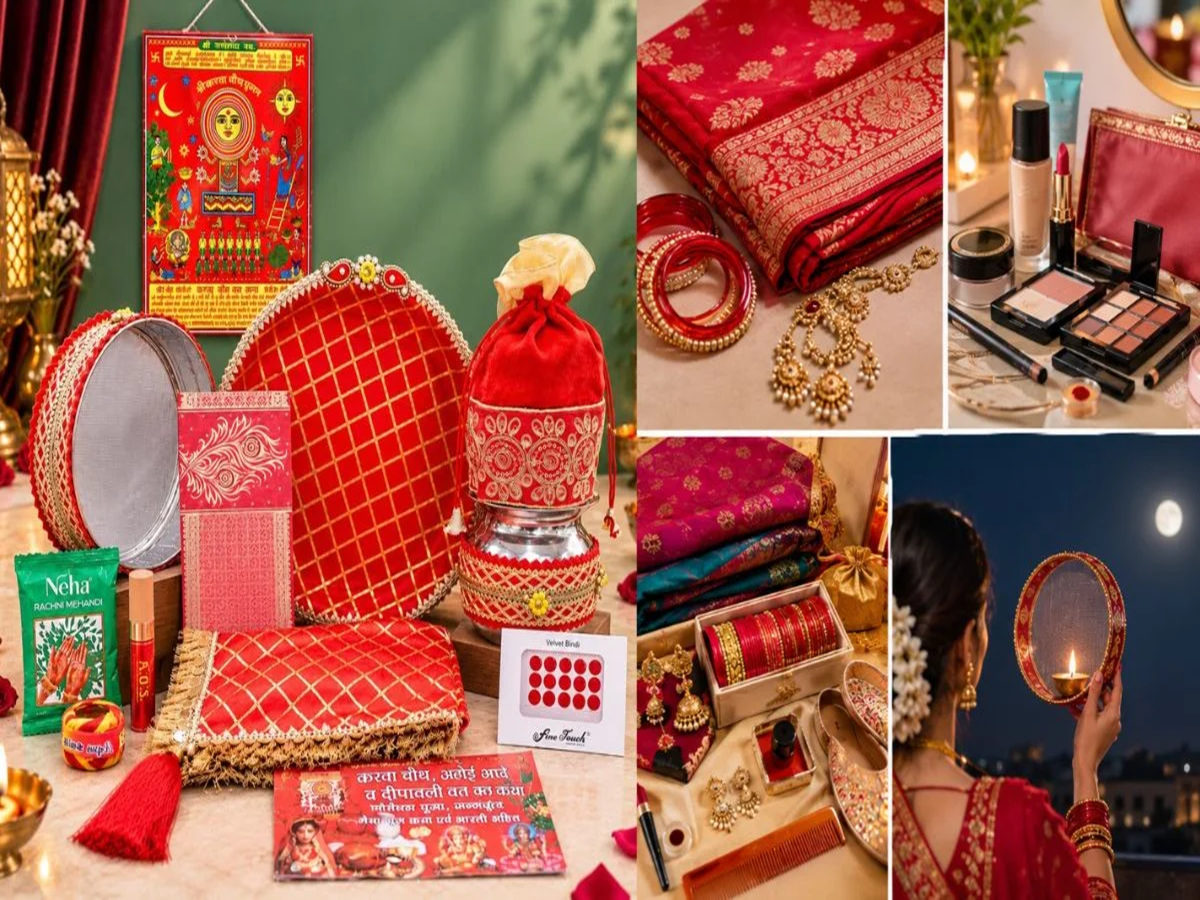
The Moon is considered a source of longevity, happiness, and peace. Worshipping the Moon is believed to bring happiness to one's married life and contribute to a longer lifespan for one's husband. Married women observe the Karva Chauth fast with the aspiration of attaining enduring marital bliss and good fortune.
PC Social Media