LIFESTYLE
Krishna Janmashtami Fasting Rules: How to observe the Janmashtami fast? Learn the essential rules—what to do and what to avoid..
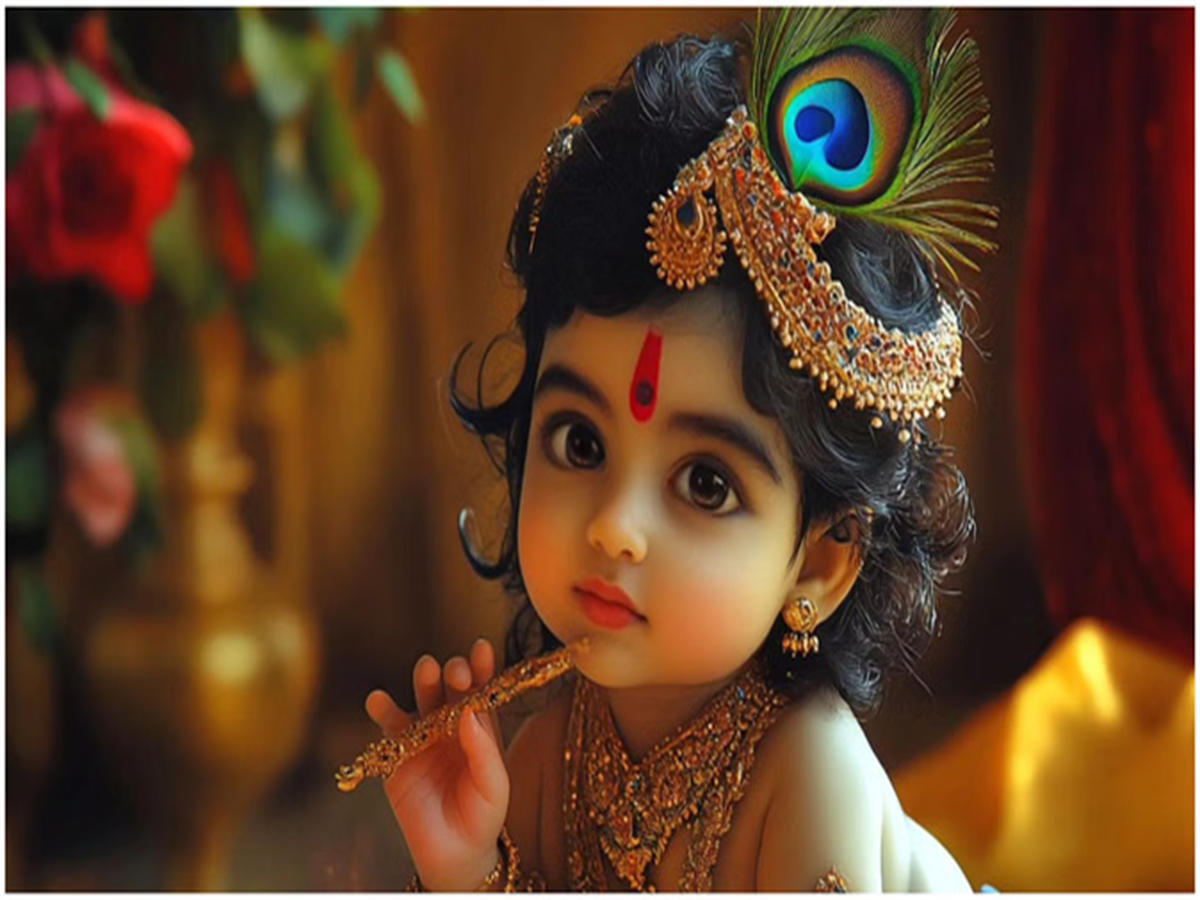
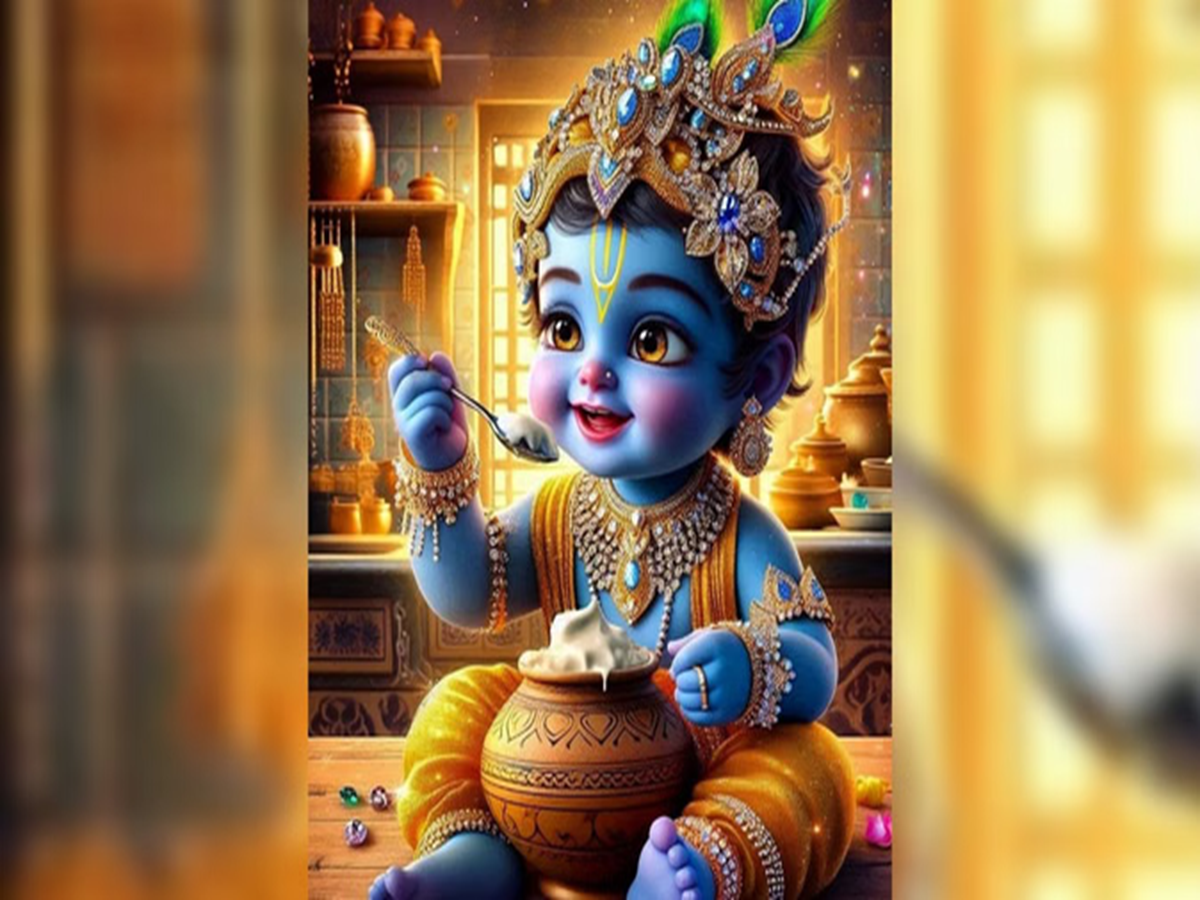
Janmashtami Fasting Rules: On Shri Krishna Janmashtami, there is a tradition of observing a fast alongside worshipping the infant form of Lord Krishna. According to religious beliefs, the Janmashtami fast differs from an ordinary fast. It entails not merely abstaining from food but also exercising restraint in one's thoughts, speech, and conduct. Therefore, if you intend to observe the Janmashtami fast, it is important to be aware of the associated rules beforehand. In 2026, the Janmashtami fast will be observed on September 4th. On this day, the observer should bathe in the morning, take a solemn vow (*Sankalp*) to fast, and perform worship at night, coinciding with the time of Lord Krishna's birth. Let us explore the important rules of the Janmashtami fast and the specific points to keep in mind during this time.
When does the Janmashtami fast begin?
There is a tradition of beginning preparations for the Janmashtami fast a day in advance. The person observing the fast should consume *Sattvic* (pure, simple, and wholesome) food and exercise dietary restraint on the day prior to Janmashtami. Religious beliefs emphasize keeping the mind calm and focused on devotion to the Lord throughout the fasting period; thus, it is advisable to maintain a disciplined routine even before the fast begins.
How does one take the vow (*Sankalp*) for the Janmashtami fast?
Wake up early on the morning of Janmashtami, bathe, and wear clean clothes. Then, sit before Lord Krishna or *Laddu Gopal* and take the vow to observe the fast. It is customary to hold a *Tulsi* leaf in one's hand while taking the vow and to pray to the Lord for the strength to complete the fast with devotion. One may also seek forgiveness from the Lord for any errors committed knowingly or unknowingly.
Is it mandatory to observe a *Nirjal* (waterless) fast on Janmashtami?
While many religious traditions mention observing the Janmashtami fast without water (*Nirjal*) or food (*Nirahar*), it is not feasible for everyone to observe such a strict fast. The severity of the fast may vary depending on an individual's capacity and family traditions. Those unable to observe a waterless or foodless fast may consume *Phalahar* (permitted fasting foods like fruits, milk, etc.) according to their capacity. Since devotion and resolve are paramount in religious fasting, one should observe the fast while keeping one's physical health and condition in mind. What can one eat during the Janmashtami fast?
If you are observing a *Phalahar* fast (a fast allowing fruits and specific permitted foods), you may consume *Sattvic* foods that are suitable for fasting. Many people consume options such as fruits, milk, and yogurt during the fast. However, one should also observe the fasting customs prevalent in their family and region, as the rules regarding *Phalahar* can vary across different traditions.
Should one observe celibacy during the Janmashtami fast?
Religious traditions place great importance on celibacy and restraint during the Janmashtami fast. Married individuals observing the fast are particularly encouraged to practice restraint starting from the night before the fast. The purpose of this is to keep the mind calm and focused on devotion to Lord Shri Krishna during the observance.
What is the significance of Tulsi (Holy Basil) during the Janmashtami fast?
Tulsi leaves hold special significance in the worship of Lord Shri Krishna; they may be offered to Him during the ritual. According to religious belief, Tulsi is dear to Lord Vishnu and Lord Shri Krishna; therefore, including Tulsi leaves in the Janmashtami worship is considered auspicious.
What kind of clothes should be worn for worship on Janmashtami?
It is considered auspicious to bathe and wear clean clothes before the Janmashtami worship. While new clothes may be worn for the ritual if available, they are not mandatory; one can worship Lord Shri Krishna with full devotion while wearing clean and modest attire.
When should the Janmashtami fast be broken?
The birth of Lord Shri Krishna holds special significance during the Janmashtami fast. Consequently, in many traditions, food is consumed—in accordance with the specific rules of the fast—only after the midnight celebration of the Lord's birth and the completion of the worship rituals.
PC Social Media