
LIFESTYLE
Long Covid Effects: Are menstrual irregularities bothering you? Is this a result of long Covid?

The global COVID-19 pandemic began in late 2019, severely impacting health. Although the situation is now normal and people are living comfortably without masks and social distancing, the truth is that the effects of COVID-19 have not yet completely disappeared.
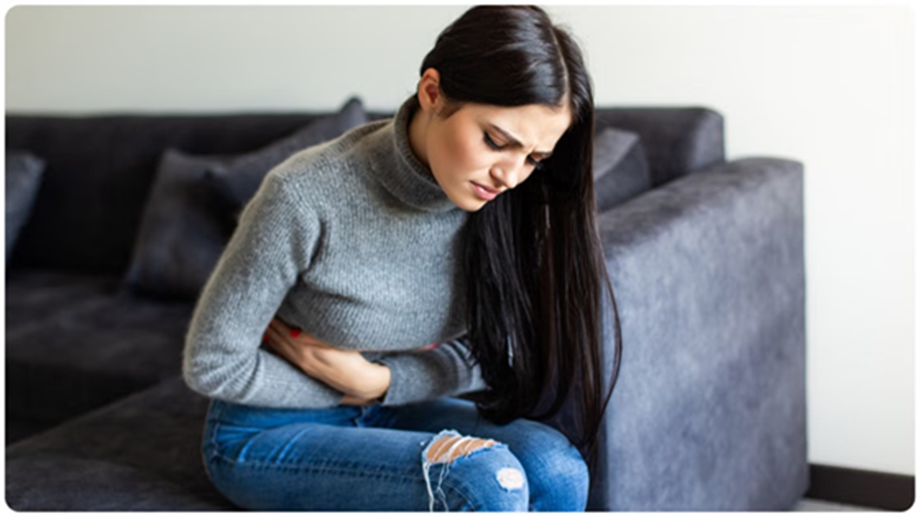
Experts believe that even after recovering from the infection, many people continue to experience long-term complications; this condition is known as long COVID. Several studies show that long-term or post-COVID effects can last from a few months to more than a year after recovery.
Worryingly, these problems are not only seen in those who were seriously ill, but are also seen in patients with mild infections. The most common complications of long COVID include fatigue, shortness of breath, mental fogginess, memory problems, sleep disturbances, and chest pain, which can persist for a long time. Several studies have also found that long COVID can have serious effects on the heart, lungs, and even mental health.
In a related report, experts have revealed another potential risk factor for long COVID that can have serious consequences for women's health.
Long COVID's Serious Impact on Menstruation
Symptoms that persist long after COVID-19 infection are now having a serious impact on women's menstrual cycles.
According to a University of Edinburgh study published in Nature Communications, heavy bleeding, periods lasting more than eight days, and intermittent bleeding were common among women with long COVID. The research showed that even when ovarian function remains intact, androgen hormonal changes and inflammation can be the cause.
What did the study find?
Experts said that if a woman has ever had a COVID-19 infection and is experiencing such problems, she should seek medical advice promptly.
The study based its findings on menstrual information from over 120,000 women, their experiences recorded on a mobile app, and biological tests. The team found that menstrual complaints in women with Long COVID were more severe than normal. Some women even experienced missed periods or complete cessation. Symptoms like fatigue were more intense during specific phases of the menstrual cycle.
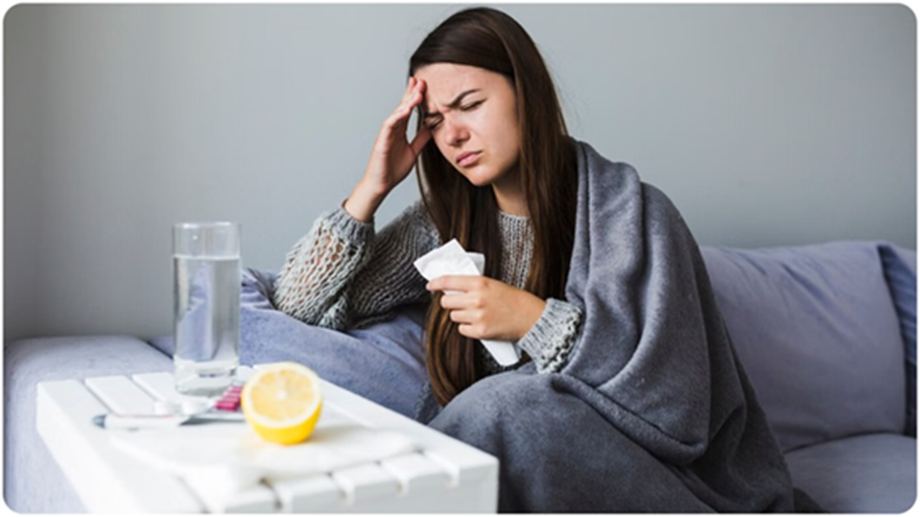
What do experts say?
Experts say the problem isn't a hormonal deficiency, but rather a disruption in androgen regulation and inflammation of the uterine lining. Elevated levels of tumor necrosis factor were found in the blood, and clusters of immune cells were found in the endometrium, which can cause abnormal bleeding. These findings are particularly important in countries like India, where women already have limited access to reproductive health services. Experts believe it's essential to include menstrual problems in screening and treatment for Long COVID.
Menstrual problems were widespread even before the pandemic. In the UK alone, 800,000 women visit hospitals each year for treatment of heavy bleeding. In the United States, indirect costs related to these problems have reached nearly $12 billion.
Long COVID impacts 6 out of 100 infected people
According to the World Health Organization (WHO), approximately 6 out of every 100 COVID patients develop long COVID even after recovery. In a report published in June this year, scientists stated that children who have been infected can also become victims of long COVID.
Experts have reported that a variety of problems are being seen in young children due to long COVID, the most common of which are trouble sleeping, irritability, loss of appetite, dry cough, and lack of energy.
PC Social Media