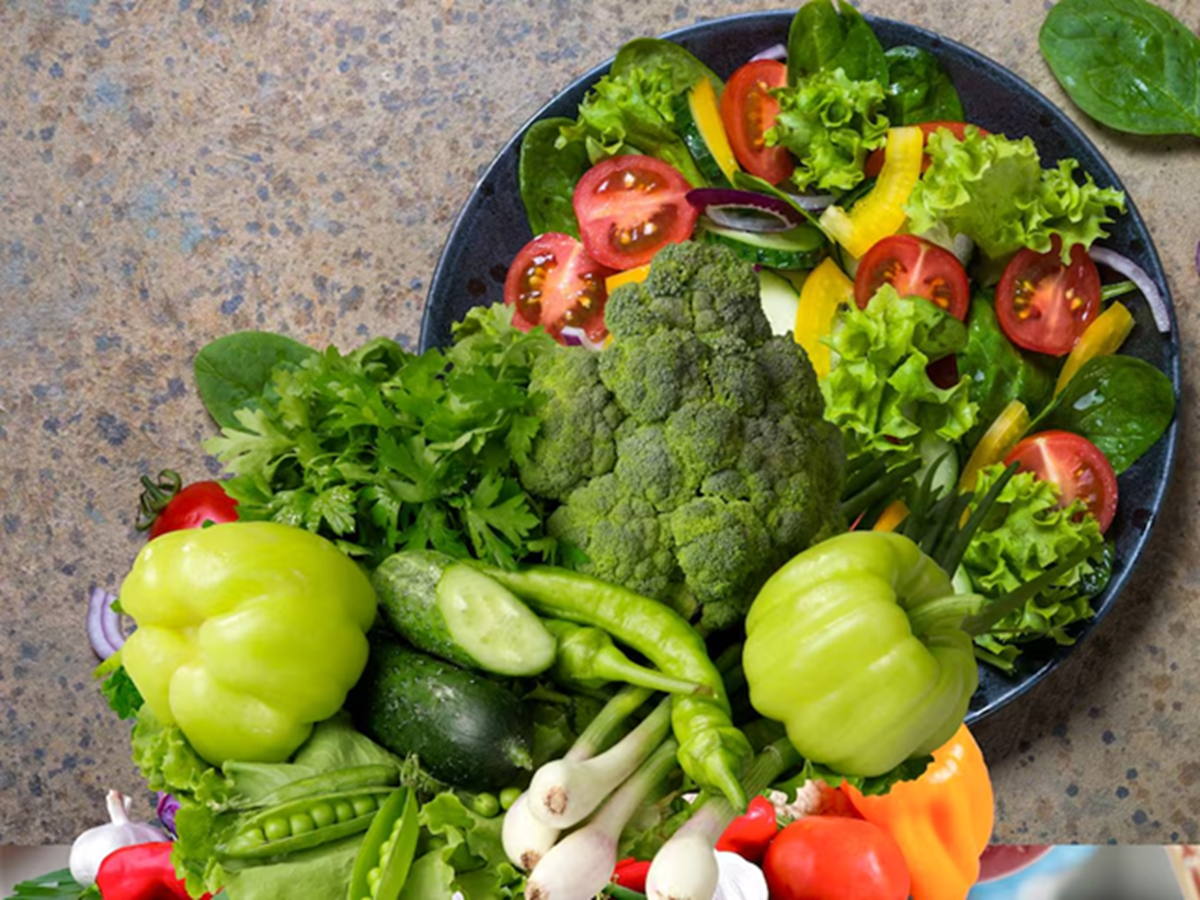
First, understand why countless microorganisms like bacteria, viruses, fungi, and mold thrive during the rainy season. In fact, during the rainy season, the humidity level in the air and soil increases significantly. This environment creates an optimal environment for bacteria, viruses, fungi, and microscopic parasites. During this time, water accumulates everywhere, and countless microorganisms thrive in it. When contaminated water is sprayed, these harmful bacteria present in the soil are blown or washed away and enter the surfaces and fine cracks of green leafy vegetables. Due to lack of sunlight and humidity, the water on the vegetables does not dry easily, providing abundant nutrition to the microorganisms, and their numbers rapidly double or quadruple.
Cauliflower: Cauliflower is a very powerful vegetable, rich in antioxidants, but during the rainy season, insects and microorganisms invade its leaves. Larger organisms are visible, but smaller parasites become very difficult to see. The humid weather creates ideal conditions for pests. Therefore, if contaminated cauliflower enters your stomach, it can cause a stomach infection and even make you sick. Although it's best not to buy cauliflower during the rainy season, if you do, wash it thoroughly and boil it in hot water with salt. This will kill any bacteria present in the cauliflower.
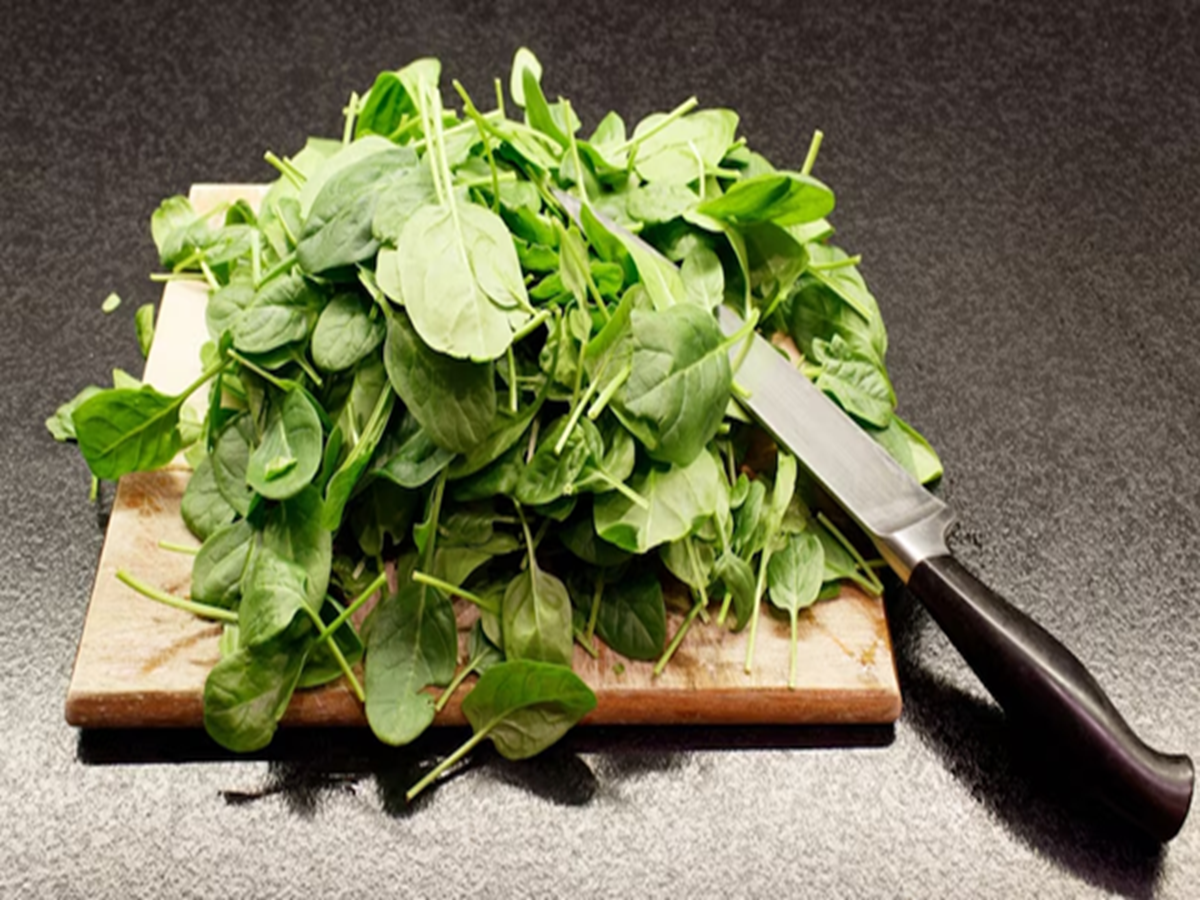
Leafy Vegetables: The rainy season brings a bountiful harvest of various leafy vegetables. However, spinach, lettuce, fenugreek, coriander, and other leafy vegetables absorb moisture, dirt, and insects during the rainy season. This moisture increases the risk of bacteria and mold growth. Therefore, if they are not washed properly, the risk of stomach infections increases. This is why these greens should not be eaten during the rainy season. If you do eat them, be sure to rinse them with hot water.
Eggplant: You're likely familiar with eggplant. Eggplants are known to be infested with worms. People often remove the infested parts and cook the remaining vegetables. But even this isn't without risk. These worms leave countless cysts inside the eggplant. If the eggplant isn't cooked properly, these cysts develop in the stomach, causing infection. Even if the outer skin appears perfectly fine, tiny worms can often be found inside the vegetable. Always be mindful of this before cooking.
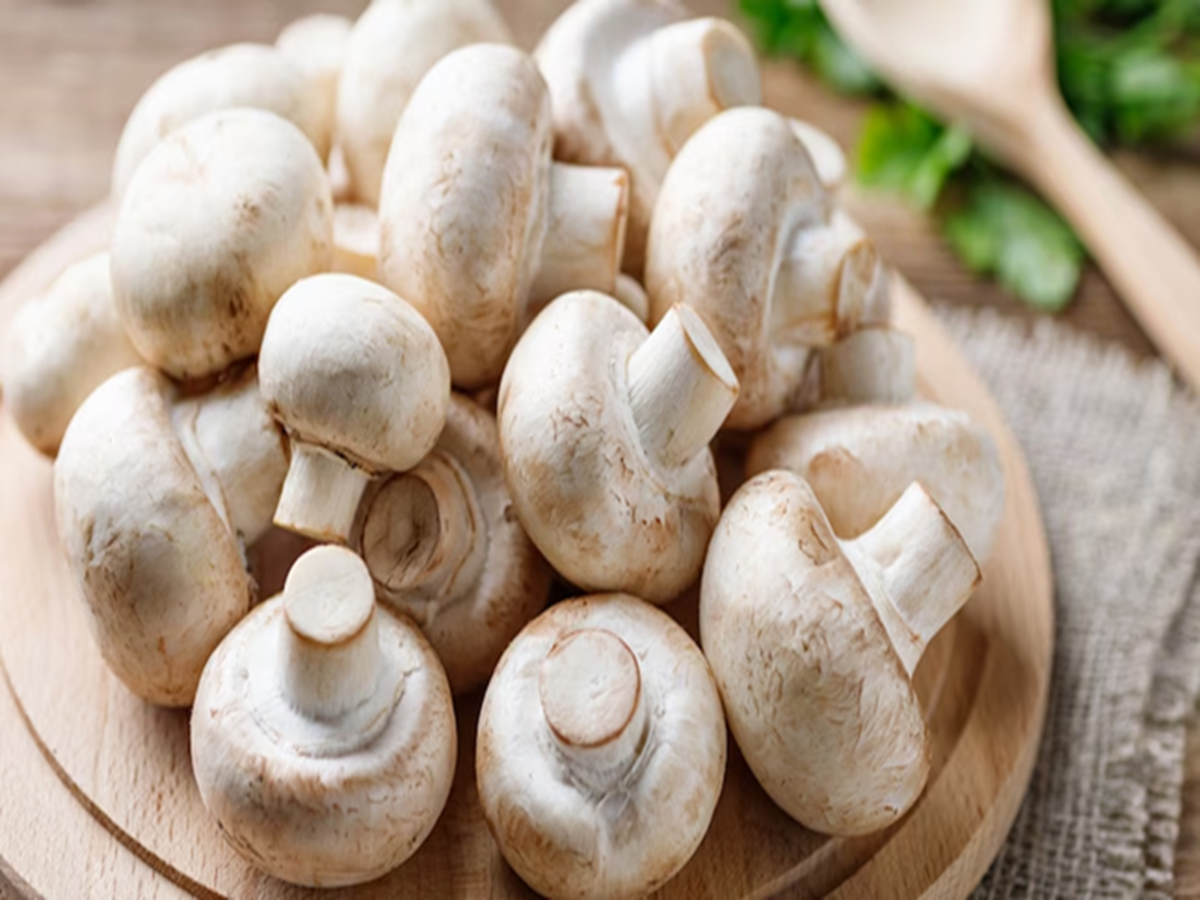
Mushrooms: Fresh mushrooms spoil quickly due to their high water content. Humidity during the monsoon season causes bacteria and fungi to multiply rapidly, shortening their shelf life. Mushrooms, like sponges, absorb contaminated water rapidly during the rainy season, creating a favorable environment for the growth of fungi, harmful bacteria, and parasites. The humidity causes the toxins and bacteria present in mushrooms to multiply rapidly. Furthermore, the risk of wild or poisonous mushrooms growing during the rainy season increases, making them difficult to identify. Eating infected or poisonous mushrooms can cause serious problems such as food poisoning, stomach infections, and vomiting and diarrhea. Therefore, avoid eating mushrooms during the rainy season.
PC Social Media