LIFESTYLE
National Epilepsy Day 2025: 7 myths about epilepsy are prevalent in society, doctors are revealing the truth..

Misconceptions about epilepsy still create fear and hesitation in people's minds. These myths not only delay treatment but also impact the social and personal lives of those suffering from epilepsy. Correct information and understanding can greatly help in managing this disease better. So, let's learn the truth about seven such myths from Dr. Amit Batra, Director of the Department of Neurology at Max Super Speciality Hospital, Patparganj.
Myth: Every seizure occurs in the form of a violent convulsion
When we think of an epileptic seizure, we often conjure up images of violent convulsions, body stiffness, and loss of consciousness. However, the truth is that seizures vary in nature. Many seizures are very mild—sudden panic, brief loss of consciousness, a strange feeling, or repeated movements. It's crucial to recognize these subtle symptoms, as they are often overlooked, leading to delays in treatment.
Myth: Epilepsy is caused by something supernatural.
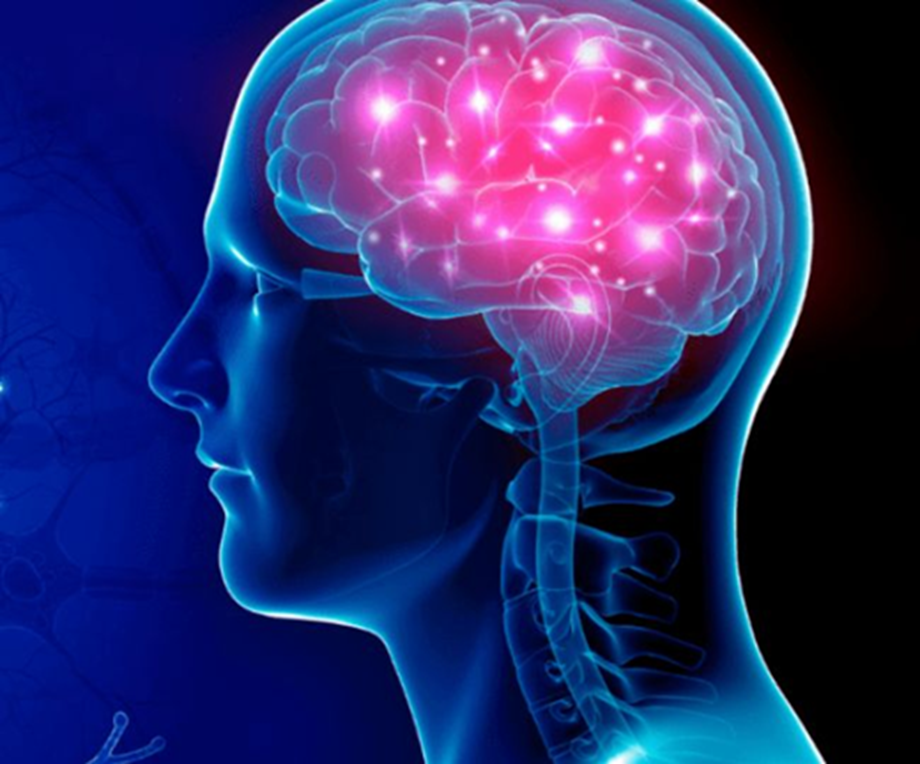
Epilepsy is a purely neurological disease. It's caused by abnormal electrical activity in the brain, similar to a sudden short circuit in a wire. Stress, lack of sleep, or fear can trigger seizures in some people, but they are not the cause of epilepsy. Actual causes include head injuries, brain infections, strokes, tumors, electrolyte imbalances, or structural brain problems.
Myth: People with epilepsy cannot live normal lives.
This is a major misconception. With the right medications, or if necessary, surgery, most patients can control their seizures almost completely. They can study, work, travel, raise families, and lead normal lives—with certain precautions, such as avoiding swimming or paragliding. Today's modern medications are safe and effective, allowing most people to carry on with their daily routines.
Myth: Putting something in a person's mouth during a seizure.
This is not only wrong but can also be very dangerous. Never grab a person having a seizure tightly or put any object (spoon, key, finger, etc.) in their mouth. The correct approach is to move them away from the injury site, gently roll them onto their side, and stay nearby until the seizure subsides.
Myth: Epilepsy is spread by touch or proximity
Epilepsy is not contagious. If someone has epilepsy, they can neither spread the disease nor its symptoms. Yes, some infections, such as viral infections or tuberculosis, can be acquired through the environment and can later affect the brain, but epilepsy itself is not spread by anyone.
Myth: Video games, bright lights, or screens always trigger seizures
Most people believe that flashing lights or screens trigger seizures, but this is true in only a very small percentage of people. Only about 3% of epileptics experience problems with bright, changing lights or looking at screens for long periods of time. Therefore, under normal circumstances, looking at screens or playing games is perfectly safe—just take breaks as needed.
Myth: People with epilepsy can't drive
When seizures are controlled with proper treatment and regular medication, many people can drive. However, each country has its own laws that determine under what circumstances a person with epilepsy can be granted a driver's license. These rules are designed for everyone's safety, reducing the risk of a sudden seizure while driving. Avoiding long drives at night is considered safer.
Epilepsy is a condition that needs to be understood, not feared. Correct information, awareness, and timely treatment not only make life easier for patients but also eliminate misconceptions prevalent in society. Only when we rely on science instead of myths can the fear, shame, and discrimination associated with epilepsy be reduced, and millions of people can live normal, dignified, and happy lives.
PC Social Media